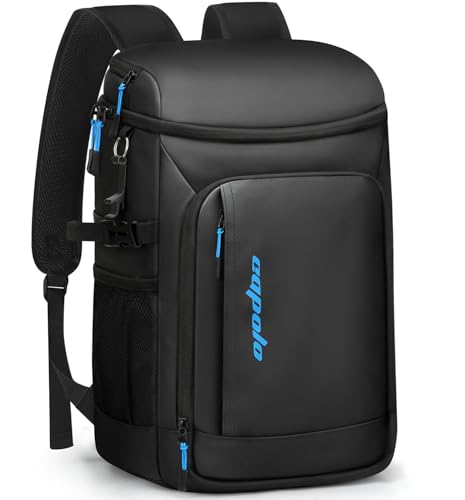
Durable Backpack Cooler: The Ultimate Buying Guide
Discover how to choose a leakproof, tough, and comfortable backpack cooler for your next outdoor adventure.
Explore FeaturesCampLifeEssentials Philosophy: A reliable backpack cooler is more than just a bag—it's your mobile refreshment station. We help you understand the materials, construction, and design that separate a durable performer from a flimsy pretender, so you can invest wisely.
Why a Durable Backpack Cooler Matters
When you're miles from the trailhead or relaxing on a remote beach, the last thing you want is a cooler that leaks, tears, or loses its chill. A durable backpack cooler is engineered to handle rugged terrain, unpredictable weather, and the wear and tear of regular use. Unlike standard soft coolers, these backpacks are built with reinforced stitching, abrasion-resistant fabrics, and high-density insulation to keep your food and drinks cold for hours—or even days.
Whether you're a casual day-tripper or a serious backcountry explorer, the right cooler backpack can make or break your outdoor experience. In this guide, we'll walk you through the critical factors that define durability, helping you distinguish between a budget-friendly option and a top-tier investment.
Key Features of a Durable Backpack Cooler
🧊 Insulation & Ice Retention
The core of any cooler is its insulation. Look for thick, closed-cell foam (like EVA or PU) and a leakproof zipper. Premium models often feature welded seams and a watertight design that can hold ice for days, while entry-level options may use thinner foam and standard zippers, offering shorter cooling periods.
🛡️ Exterior Material & Construction
Durability starts with the shell. High-denier fabrics like 840D or 1000D nylon or TPU-coated polyester resist punctures and abrasion. Mid-range coolers often use 600D polyester, which is decent for light use but may not survive rough handling. Reinforced stitching and bar-tacked stress points are hallmarks of a high-end design.
🔒 Leakproof Zippers & Seams
A leakproof zipper is non-negotiable for a durable cooler. Look for airtight, water-resistant zippers (often with a lubricated track) and welded or taped seams. This prevents melted ice from soaking your gear and keeps cold air trapped inside. Budget-friendly coolers may have standard zippers that require careful handling.
🎒 Comfort & Carry System
Even the toughest cooler is useless if it's painful to carry. Padded, ergonomic shoulder straps, a sternum strap, and a hip belt distribute weight effectively. Top-tier models often feature breathable mesh back panels and adjustable load lifters. For shorter trips, a simple padded strap may suffice, but for long hikes, invest in a premium harness system.
📐 Capacity & Organization
Cooler backpacks range from compact 10-can sizes to massive 30+ can haulers. Consider your typical outing: a solo day hike needs less space than a family picnic. Look for external pockets for dry items, a front bungee for a jacket, and interior dividers to separate food from drinks. Mid-tier and high-end coolers often include these organizational features.
🧼 Ease of Cleaning
A durable cooler should be easy to maintain. Look for a leakproof interior liner that is food-safe and antimicrobial. A wide-mouth opening makes cleaning easier. Some premium models have a removable liner, while affordable options may require more thorough hand-washing to prevent odor buildup.
Comparing Durability Tiers
To help you navigate the market, here's a breakdown of what you can typically expect at different quality tiers. Remember, these are relative positions, not absolute price points.
| Feature | Entry-Level / Budget-Friendly | Mid-Range / Mid-Tier | Premium / High-End |
|---|---|---|---|
| Exterior Fabric | 300D–600D polyester, basic water resistance | 600D–840D nylon/polyester, durable water repellent (DWR) | 840D–1000D nylon, TPU-coated, abrasion-resistant |
| Insulation | Thin PE foam, retains ice for several hours | Thick PU or EVA foam, retains ice for 12–24 hours | High-density closed-cell foam, retains ice for 24–48+ hours |
| Zipper | Standard zipper, may require careful use | Water-resistant zipper, decent leak protection | Airtight, leakproof zipper with welded seams |
| Carry System | Basic padded straps | Ergonomic straps, sternum strap | Full harness with hip belt, load lifters, breathable back panel |
| Organization | 1–2 compartments | Multiple pockets, front bungee | Modular storage, interior dividers, external attachment points |
| Best For | Light day trips, casual use | Regular camping, hiking, picnics | Backcountry expeditions, extreme conditions, heavy use |
How to Choose the Right Durable Backpack Cooler
With so many options, narrowing down your choice can be overwhelming. Here’s a step-by-step approach:
- Define Your Use Case: Are you a first-time camper or a seasoned backpacker? For day camping or a family camping area, a mid-range cooler is often sufficient. For primitive camping sites or wild camping, invest in a premium model.
- Assess Capacity Needs: A 20-can cooler works for a couple’s day out; a 30-can or larger is better for group camping sites.
- Prioritize Comfort: If you'll be hiking more than a mile, a backpacking-style harness is essential. Look for models with a hip belt to transfer weight.
- Check Leakproof Ratings: Read reviews for mentions of leaks. A truly durable cooler should be able to be tipped over without spilling.
- Consider Maintenance: If you’re often in sandy or muddy environments (like beach camping or camping on sandy beaches), choose a cooler with a smooth, easy-to-wipe liner.
Maintaining Your Cooler for Long-Lasting Durability
Even the most robust backpack cooler needs care to stay in top shape. Here are a few essential tips:
- Clean After Every Trip: Empty, wipe down with mild soap and water, and dry thoroughly before storing. This prevents mold and odor.
- Lubricate Zippers: Use a zipper lubricant (like a silicone-based stick) to keep leakproof zippers functioning smoothly.
- Store Properly: Keep the cooler in a cool, dry place with the lid open to allow air circulation.
- Avoid Overloading: Stretching a cooler beyond its capacity can stress seams and zippers.
For more tips on keeping your gear in shape, see our guide on how long do tents last—many of the same principles of material care apply.
Frequently Asked Questions
How long can a durable backpack cooler keep ice?
It depends on the tier. Entry-level models typically hold ice for 6–12 hours. Mid-range coolers can last 12–24 hours, while premium high-end models can retain ice for 24–48 hours or more, especially if pre-chilled and kept out of direct sun.
Are leakproof zippers really necessary?
Yes, if you want to avoid a soggy mess. A leakproof zipper prevents melted ice from escaping and keeps cold air in. It's a key feature that separates a durable cooler from a basic one. For more on gear that handles the elements, see our winter camping gear guide, where waterproofing is critical.
Can I use a backpack cooler for backpacking trips?
You can, but be mindful of weight. A fully loaded cooler backpack can be heavy. For true backpacking, consider a smaller, lightweight cooler or a ultralight quilt backpacking setup for your sleep system, and use the cooler only for food and drinks. Check our backpacking for beginners guide for more tips.
How do I know if a cooler is truly durable?
Look for reinforced stitching, high-denier fabrics, and a warranty. Read reviews from other campers who have put the cooler through rigorous use. A premium cooler often comes with a limited lifetime warranty, signaling the manufacturer's confidence in its durability.