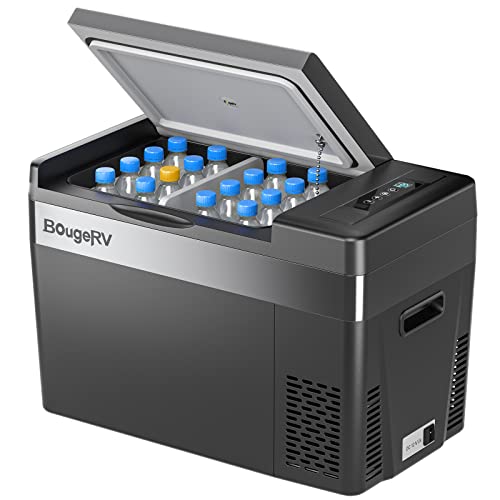
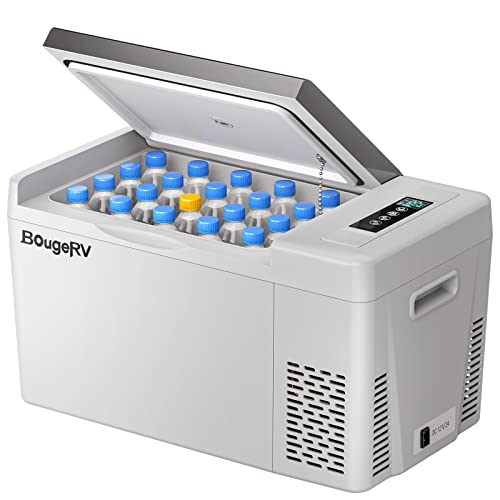
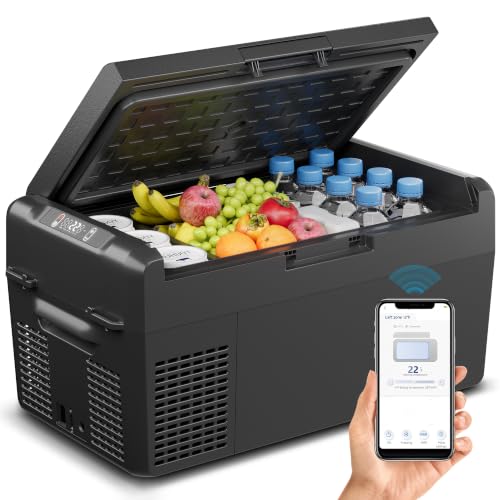
Car Fridge Cooler: The Complete Guide to Portable 12V Refrigeration
Keep food fresh, drinks cold, and ice frozen on every road trip, overlanding adventure, and camping excursion with a car fridge cooler.
START YOUR RESEARCHWhy a Car Fridge Cooler Changes Everything: Traditional coolers rely on ice that melts, soaks your food, and forces you to restock every day or two. A portable 12V fridge cooler runs off your vehicle's power or a separate battery, maintaining precise temperatures for days or weeks. For overlanders, road trippers, and campers who cook real meals, it is one of the most transformative pieces of gear you can own.
What Is a Car Fridge Cooler and How Does It Work?
A car fridge cooler is a portable refrigeration unit designed to run on 12-volt DC power, the same voltage as your vehicle's electrical system. Unlike a standard cooler that depends on ice, a 12V fridge actively removes heat from the interior compartment using one of two technologies: compressor-based cooling or thermoelectric cooling. Compressor models function like a miniature home refrigerator, using a refrigerant cycle to achieve temperatures well below freezing. Thermoelectric models use a semiconductor plate to transfer heat away from the interior, which is simpler and lighter but generally limited to cooling about 40 degrees below ambient temperature. Most modern overlanding and RV enthusiasts prefer compressor fridges because they maintain consistent temperatures regardless of outside conditions.
If you are building an overlanding or vehicle-based camping setup, a car fridge cooler pairs naturally with other power and comfort systems. For example, a portable power station can run your fridge overnight without draining your starter battery. Many travelers also invest in battery and solar panel kits to keep their refrigeration running indefinitely off-grid. And for those who prefer a permanent vehicle-based solution, a 12V RV fridge offers similar functionality in a built-in format.
Compressor vs Thermoelectric: Which Car Fridge Cooler Is Right for You?
The two main types of car fridge coolers serve very different users. Understanding the trade-offs will help you choose the right model for your vehicle, power setup, and travel style.
| Feature | Compressor Fridge | Thermoelectric Cooler |
|---|---|---|
| Cooling Performance | Can reach sub-zero temperatures (freezer capability) | Typically 40°F (22°C) below ambient temperature; no freezing |
| Power Consumption | Cycles on and off; moderate average draw | Continuous draw; higher average consumption for same cooling |
| Temperature Stability | Excellent; maintains set temperature regardless of ambient | Poor; performance drops significantly in hot weather |
| Weight | Heavier due to compressor and refrigerant system | Lighter; no moving parts |
| Noise | Audible compressor hum; varies by model | Very quiet; only fan noise |
| Durability | Built for rough terrain; handles vibration well | Simple design; fewer failure points but less rugged |
| Best For | Overlanding, extended trips, freezing food, hot climates | Day trips, budget-conscious buyers, light cooling needs |
| Market Tier | Mid-range to premium | Entry-level to mid-range |
In practical terms, if you plan to camp for more than a weekend or travel through hot climates, a compressor-based car fridge cooler is almost always the better investment. The ability to freeze ice packs, keep meat safe for days, and maintain consistent temperatures in 100°F heat cannot be matched by thermoelectric models. However, for occasional day trips or short commutes where you simply want to keep drinks cold, a thermoelectric cooler is lighter, quieter, and more affordable.
Key Features to Evaluate in a Car Fridge Cooler
Capacity and Interior Layout
Car fridge coolers range from compact single-zone units suitable for a couple to large dual-zone models that function as both fridge and freezer simultaneously. Consider how you pack: upright models with removable baskets make organization easier, while chest-style fridges maximize capacity in a smaller footprint.
Power Consumption and Battery Protection
A good 12V fridge cooler includes a low-voltage cut-off that prevents it from draining your vehicle's starter battery below a safe threshold. Look for models with adjustable protection levels (low, medium, high) so you can balance cooling performance against battery preservation.
Cooling Speed and Temperature Range
Compressor fridges can pull down from ambient to refrigerated temperatures in 15 to 30 minutes and can reach 0°F or lower for freezing. Check the manufacturer's specified cooling range and how quickly the unit achieves it, especially if you plan to load warm groceries.
Build Quality and Insulation
Thick insulation keeps cold air in and reduces compressor cycling, which saves power. Rugged models feature reinforced corners, heavy-duty latches, and weather-resistant seals. If you plan to mount the fridge in a truck bed or trailer, vibration resistance is critical.
Dual-Zone vs Single-Zone
Dual-zone fridges let you set separate temperatures for fridge and freezer compartments, ideal for trips where you want frozen meat and cold produce simultaneously. Single-zone models are simpler, lighter, and generally more energy-efficient for their size.
Portability and Mounting Options
Some car fridge coolers come with handles and wheels for easy transport, while others are designed to be permanently mounted in a vehicle or trailer. Consider how you will move the fridge in and out of your car, especially if it is a larger dual-zone model.
Who Should Buy a Car Fridge Cooler?
A car fridge cooler is not for everyone, but for certain travelers it quickly becomes indispensable. Here are the most common use cases where a 12V fridge outperforms a traditional cooler.
Overlanders and Off-Roaders
Multi-day expeditions through remote terrain demand reliable refrigeration. A compressor fridge powered by a dual-battery system or solar setup keeps food safe without ice runs.
Road Trippers and Van Lifers
Living out of a vehicle means cooking real meals. A car fridge cooler lets you store fresh produce, dairy, and meat instead of relying on shelf-stable food.
Campers and Fishermen
Freshly caught fish, game meat, and perishables stay cold for days. Many anglers pair a car fridge with a bear-proof cooler for base camp storage.
RV and Trailer Owners
An RV fridge or portable 12V unit supplements your built-in refrigerator, adding capacity for extended trips and boondocking adventures.
How to Choose the Right Car Fridge Cooler for Your Vehicle
Selecting the best car fridge cooler depends on three main factors: your vehicle's power system, the length of your trips, and how much food you need to keep cold. Start by measuring the available space in your trunk, truck bed, or camper. Compressor fridges come in a wide range of sizes, from compact 20-liter units ideal for solo travelers to 75-liter dual-zone models built for families. Next, evaluate your power source. If your vehicle has a dual-battery setup or a portable power station, you can run a larger fridge for days. If you rely solely on your starter battery, choose a model with strong low-voltage protection and consider a solar charger to supplement power during the day.
For SUV and car campers, a 12V portable fridge that fits behind the front seats or in the cargo area is a practical choice. Truck owners with camper shells or bed racks often prefer larger chest-style fridges that can be secured and accessed easily. If you are still deciding between a portable unit and a built-in solution, read our comparison of portable fridges versus 12V RV fridges to understand the trade-offs.
Beyond the fridge itself, think about how you will organize your cold storage. A dry bag backpack can keep items waterproof inside the fridge, while a car 12V fridge with a removable basket makes loading and unloading faster at camp. For those who want to extend their refrigeration setup to other vehicles, a 12V fridge for RV can be a permanent addition that complements a portable unit.
Installation and Power Tips for Your Car Fridge Cooler
Wiring and Fusing
Always use a dedicated 12V outlet with an appropriate fuse rating for your fridge. Many manufacturers recommend a 15-amp circuit for larger compressor models. Avoid plugging into cigarette lighter sockets that are not rated for continuous high-current draw.
- Use 12-14 AWG wire for runs longer than 10 feet
- Install an inline fuse near the battery connection
- Consider a dual-battery isolator to protect your starter battery
Ventilation and Placement
Compressor fridges need airflow around the vents to dissipate heat. Never block the ventilation openings, and avoid placing the fridge in direct sunlight or in a closed, unventilated space. In truck beds, a ventilated camper shell or bed rack works well.
- Leave at least 2 inches of clearance around vents
- Keep the fridge away from direct heat sources
- Use a shade cover or reflective blanket in hot climates
Temperature Settings and Efficiency
Pre-cool your fridge before loading it with groceries. Use the eco or low-power mode when running on battery, and switch to max mode when connected to shore power or driving. Keep the fridge full to maintain temperature more efficiently.
- Pre-chill food and drinks before loading
- Use eco mode for overnight battery operation
- Fill empty space with water bottles or ice packs
Maintenance and Care
Clean the interior regularly with mild soap and water. Check door seals for wear and replace them if they no longer seal properly. For compressor models, periodically check that the cooling fan is free of dust and debris.
- Defrost regularly to maintain efficiency
- Inspect seals and latches before each trip
- Store the fridge with the lid slightly open when not in use
Frequently Asked Questions About Car Fridge Coolers
Related Guides and Resources
Ready to Upgrade Your Camping Kitchen?
A car fridge cooler is one of the best investments you can make for road trips, overlanding, and extended camping. Say goodbye to soggy food and ice runs — keep everything cold and fresh with reliable 12V refrigeration.
See Recommended Models