Camping Stakes Guide: Types, Uses & How to Choose the Best Tent Pegs
From rocky terrain to sandy beaches, choosing the right camping stakes ensures your shelter stays secure in any condition. Learn everything you need to know about tent pegs for your next outdoor adventure.
Did you know? The wrong camping stakes can turn a peaceful night into a frustrating experience. A good set of tent pegs is just as important as your tent itself. Whether you're camping for the first time or a seasoned outdoor enthusiast, understanding the different types of stakes and their specific uses will keep you safe and comfortable in the wilderness.
What Are Camping Stakes?
Camping stakes, also known as tent pegs or tent stakes, are essential accessories used to secure tents, tarps, and canopies to the ground. They work by penetrating the ground and providing anchorage against wind, rain, and other weather conditions. A quality set of camping stakes can make the difference between a comfortable night's sleep and a restless one, especially when weather turns unpredictable.
When setting up camp, proper staking is crucial for tent stability and safety. Different terrains—from hard-packed soil to loose sand—require different types of stakes. Understanding these differences will help you prepare adequately for your chosen camping destination. Many campers also carry a variety of stake types to handle whatever ground conditions they encounter.
Why Quality Stakes Matter
The importance of reliable camping stakes cannot be overstated. Cheap or inappropriate tent pegs can bend, break, or pull out of the ground, leaving your tent vulnerable to wind and weather. A collapsed tent in the middle of a storm is not only inconvenient but can also be dangerous.
Investing in quality stakes means investing in peace of mind. Durable stakes made from the right materials will hold firm in challenging conditions, protect your tent from damage, and ensure you sleep soundly through the night. For family camping trips, having reliable stakes is especially important for safety and comfort.
Types of Camping Stakes
V-Stake (V-Peg)
$10–$25The V-stake is one of the most common and versatile tent pegs. Its V-shaped cross-section provides excellent holding power in various soil types, including hard-packed ground and grass.
- Excellent holding power in most terrains
- Lightweight and easy to carry
- Resists bending under pressure
- Great for general camping use
Y-Stake (Y-Peg)
$12–$30Y-stakes feature a Y-shaped cross-section that offers superior holding power compared to V-stakes. They are ideal for windy conditions and loose soil where maximum grip is needed.
- Superior holding power in loose soil
- Excellent for windy conditions
- Durable and long-lasting
- Lightweight yet strong
Sheppard's Hook
$8–$18Named for its curved hook shape, this traditional stake is lightweight and works well in grass and soft soil. The hook helps prevent the stake from pulling through the tent loop.
- Lightweight and affordable
- Easy to push into soft ground
- Good for grass and light soil
- Not suitable for hard or rocky ground
Screw Stake
$15–$35Designed with a spiral thread like a screw, these stakes provide exceptional holding power in sand, snow, and loose soil. They require twisting into the ground rather than hammering.
- Best for sand and snow
- Excellent holding power in loose terrain
- Reusable and durable
- More expensive than traditional stakes
Nail Stake
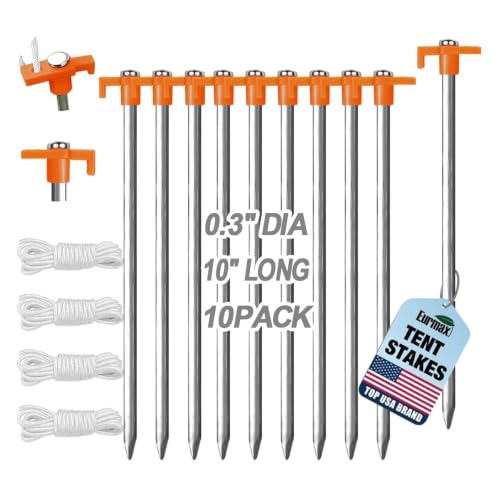
$6–$15Simple and straightforward, nail stakes are among the most affordable options. They work well in hard-packed soil and are easy to hammer in with a mallet or rock.
- Affordable and reliable
- Good for hard-packed soil
- Can be bent if hitting rocks
- Lightweight and easy to pack
Sand Stake
$18–$40Specially designed for sandy or loose soil conditions, sand stakes are wider and often feature a design that increases surface area to prevent pulling out.
- Wide design for maximum holding in sand
- Often made from lightweight materials
- Perfect for beach camping
- May not work well in hard ground
Stake Material Comparison
| Material | Weight | Durability | Best For | Price Range |
|---|---|---|---|---|
| Aluminum | Ultra-lightweight | Moderate - can bend | Backpacking, soft soil | $8–$20 |
| Steel | Heavy | High - very strong | Car camping, hard ground | $10–$25 |
| Stainless Steel | Medium | Very high - rust-resistant | All-around use, wet conditions | $15–$35 |
| Titanium | Ultra-lightweight | Very high | Ultralight backpacking, premium use | $25–$50 |
| Plastic / Composite | Lightweight | Low - can break | Budget use, very soft ground | $4–$10 |
How to Choose the Right Stakes
Selecting the right camping stakes depends on several factors. Consider these key points when choosing your tent pegs:
🌍 Terrain Type
Consider the ground where you'll be camping. Rocky terrain requires heavy-duty steel stakes, while sand requires wide sand stakes. For general camping, a set of V-stakes or Y-stakes will handle most conditions.
⚖️ Weight
If you're backpacking, weight is crucial. Aluminum and titanium stakes offer excellent strength-to-weight ratios. For car camping, heavier steel stakes provide superior durability.
⛅ Weather Conditions
For windy conditions, choose Y-stakes or screw stakes for maximum holding power. In wet or muddy conditions, consider longer stakes with better grip to prevent pulling out.
🏕️ Camping Frequency
If you camp frequently, invest in quality stainless steel or titanium stakes that will last for years. For occasional camping, affordable aluminum or steel stakes may be sufficient.
Expert Tips for Using Camping Stakes
Pro Tips for Perfect Staking Every Time
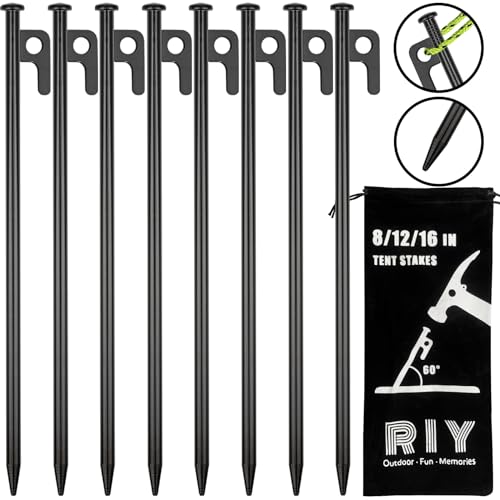
- Angle Matters: Place stakes at a 45-degree angle away from the tent for maximum holding power, not straight down into the ground.
- Know Your Terrain: Before hammering, check the ground for rocks or roots that could damage your stakes. A sturdy trekking pole or stool can be used as a backup in emergencies.
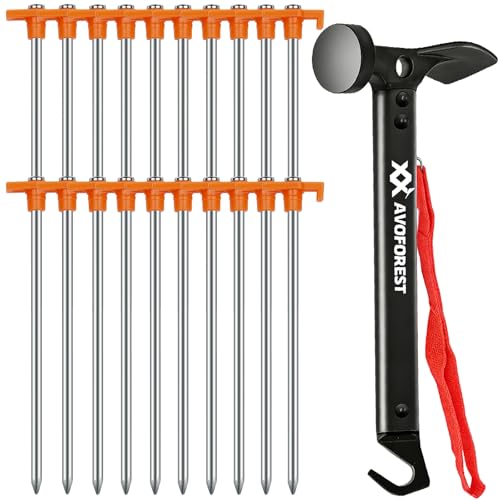
- Carry a Mallet: A small rubber mallet or rock can make driving stakes easier and protect your hands. Never use a metal hammer, which can damage the stake.
- Check Tension: After staking, check guy lines for proper tension. They should be taut but not overly tight to allow for some flexibility in wind.
- Practice Leave No Trace: Always remove stakes carefully to minimize ground disturbance. Use the stake's design to your advantage—Y-stakes and V-stakes can be pulled out more easily with a twisting motion.
- Carry Spares: Always pack a few extra stakes. Losing or bending one is common, and having a backup ensures your tent poles and shelter remain secure.
- Test in Your Backyard: If you're new to camping, practice setting up your tent and staking it in your yard to become familiar with the process.
Common Staking Mistakes to Avoid
Even experienced campers can make these common staking errors:
❌ Staking Straight Down
Stakes driven straight down have less holding power. Always angle stakes away from the tent for optimal grip.
❌ Using Wrong Type
Using nail stakes in sandy soil or sand stakes in rocky ground leads to poor holding power and potential tent failure.
❌ Over-tightening Lines
Guy lines that are too tight can pull stakes out or damage your tent's fabric. Leave some flexibility.
❌ Not Carrying Spares
Losing one stake can compromise your entire tent setup. Always bring at least two extra stakes.
Recommended Camping Stakes
Based on our extensive testing and research, here are the best camping stakes for various camping styles and terrains:
🏕️ Best Overall
MSR Groundhog Stakes (V-stake design, lightweight aluminum, excellent holding power for most terrains)
🎒 Best for Backpacking
Zpacks Titanium Stakes (Ultra-lightweight, strong, ideal for ultralight backpacking)
⛱️ Best for Sand
Sea to Summit Sand Stakes (Wide design, excellent holding power in loose sand)
🌧️ Best for Wet Conditions
Stainless Steel Y-Stakes (Rust-resistant, superior holding power in wet soil)
⛰️ Best for Rocky Ground
Steel Nail Stakes (Durable, can withstand rocky terrain without bending)
🏠 Best for Beginners
Coleman 12-Pack Steel Stakes (Affordable, versatile, and easy to use for first-time campers)
Be Prepared, Stay Secure
Choosing the right camping stakes is an essential part of your camping gear preparation. Understanding the different types, materials, and best uses will help you make informed decisions and ensure your shelter remains secure in any condition.
Whether you're planning a family camping trip, a solo adventure, or preparing for winter conditions, having quality stakes that match your terrain is crucial. Remember to always carry spares, practice proper staking techniques, and respect the environment by practicing Leave No Trace principles.
Ready to upgrade your camping setup? Check out the recommended products below to find the perfect camping stakes for your next outdoor adventure.