Camping Shower Hot Water: The Complete Guide to Enjoying a Warm Shower Outdoors
Discover how to get hot water for camping showers using solar bags, propane heaters, and electric systems. Compare options and choose the best setup for your outdoor adventures.
Introduction: Why a Hot Camping Shower Changes Everything
After a long day of hiking, swimming, or exploring the outdoors, there is something deeply satisfying about rinsing off with warm water. A hot shower at camp does more than keep you clean — it helps you relax, sleep better, and feel human again after days in the wilderness. For families with children, a warm shower before bed can mean the difference between a restless night and a peaceful one.
The challenge, of course, is that campgrounds rarely offer hot running water. This is where a reliable camping shower hot water system becomes essential. Whether you are a weekend car camper, a dedicated overlander, or someone who simply refuses to sacrifice comfort, there is a hot water solution that fits your style.
In this guide, we will walk through every major method for heating water at camp — from simple solar bags to propane-powered tankless heaters. You will learn how each system works, who it suits best, and what to consider before buying. By the end, you will know exactly how to build a hot shower setup that works for your trips.
Quick Summary: For occasional summer camping, a solar shower bag is the simplest and most portable option. For extended trips or cold weather, a propane tankless heater provides reliable hot water on demand. Electric immersion heaters are a solid middle ground for campers with portable power stations. Choose based on your trip frequency, weather conditions, and power availability.
Why Hot Water Matters for Camping Showers
Some campers dismiss hot showers as a luxury. In reality, warm water serves several practical purposes that go beyond comfort:
- Hygiene and health: Warm water cleans more effectively than cold water, especially when removing sunscreen, insect repellent, and sweat. Proper cleaning reduces the risk of skin irritation and infections. If you are dealing with minor scrapes or insect bites, cleaning with warm water is gentler and more thorough. Knowing basic first aid for camping becomes easier when you can properly clean wounds.
- Muscle recovery: After a day of hiking or climbing, warm water helps relax tight muscles and ease soreness. This is especially valuable on multi-day trips where physical recovery matters.
- Better sleep: A warm shower before bed lowers your core body temperature slightly, which signals to your body that it is time to sleep. This is particularly helpful when camping in unfamiliar environments.
- Mental refresh: Being clean lifts your mood. A hot shower can be the reset button that turns a tiring day into a pleasant evening around the campfire.
- Family convenience: If you are camping with kids, a warm shower makes bedtime routines much easier. Children sleep better when they are clean and warm.
For those new to outdoor living, our guide on first time camping tips covers many of the comfort considerations that experienced campers take for granted. A hot shower setup is one of those upgrades that, once you try it, you will never want to camp without.
Methods for Heating Camping Shower Water
There are four primary ways to get hot water for a camping shower. Each has distinct advantages and trade-offs. Understanding them will help you choose the right system for your needs.
1. Solar Shower Bags
These are simple, black or dark-colored bags that you fill with water and leave in direct sunlight. The sun heats the water inside, and gravity provides the flow when you hang the bag. They are the most portable and require no fuel or electricity.
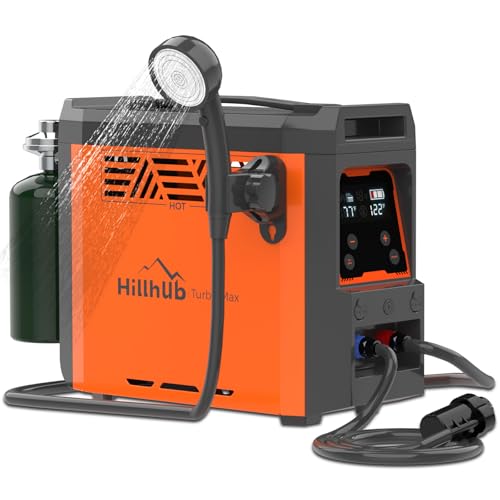
2. Propane Tankless Water Heaters
These portable units connect to a standard propane tank and a water source. They heat water on demand as it flows through the unit, providing continuous hot water. They are the most powerful option and work in any weather.
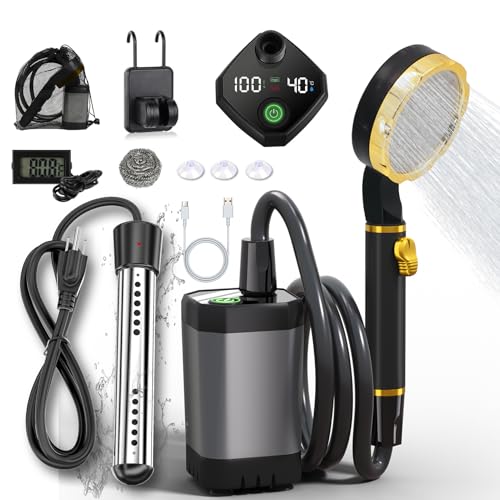
3. Electric Immersion Heaters
These are small, portable devices that you place directly into a container of water. They plug into a power source — often a portable power station — and heat the water. They are compact and quiet but require a power source.
4. Stovetop Heating
The simplest method: heat water on your camp stove, then pour it into a shower bag or container. This works with any camping stove and is ideal for small quantities of water. It is labor-intensive for larger volumes but requires no specialized equipment.
Your choice depends on how often you camp, the weather you camp in, and whether you have access to power or propane. The sections below explore each method in detail.
Solar Shower Bags: Simple and Portable
Solar shower bags are the entry point for most campers exploring hot water showers. They are affordable, pack down small, and require nothing more than sunlight and a place to hang them.
How Solar Shower Bags Work
You fill the bag with water — usually from a campground tap, a lake, or a jerrycan — and lay it flat in direct sunlight. The dark material absorbs solar radiation and transfers heat to the water inside. After two to three hours in full sun, the water typically reaches a comfortable temperature. A hose and shower head attach to the bottom, and gravity does the rest.
What to Look For in a Solar Shower Bag
- Capacity: Most bags hold 3 to 5 gallons. A 5-gallon bag provides roughly 7 to 10 minutes of continuous showering, which is enough for one person or two quick showers.
- Material and construction: Look for UV-resistant, BPA-free materials. Reinforced seams and a sturdy handle are important because the bag becomes heavy when full.
- Hose and shower head: A flexible hose with an on/off valve lets you control flow and conserve water. A shower head with multiple spray settings adds convenience.
- Temperature gauge: Some bags include a built-in thermometer, which helps you avoid scalding or uncomfortably cool water.
✅ Pros
- No fuel or electricity required
- Very portable and lightweight
- Affordable entry point
- Environmentally friendly
- Simple to use and maintain
⚠️ Cons
- Depends entirely on sunlight
- Ineffective in cloudy or cold weather
- Gravity-fed flow can be weak
- Water cools quickly once sun sets
- Limited capacity per fill
Best Use Cases for Solar Shower Bags
Solar bags shine during summer camping trips where you have access to direct sunlight and only need occasional showers. They are perfect for weekend car camping, beach trips, and festivals. If you are camping in a state park with a sunny site, a solar bag is often all you need.
However, if you are camping in shaded areas, during overcast seasons, or in cooler climates, you will quickly find their limitations. For these situations, consider pairing a solar bag with a backup heating method, or move up to a propane or electric system.
💡 Tips for Getting the Most from Your Solar Shower Bag
- Fill the bag in the morning and place it in the sunniest spot at camp.
- Lay it flat rather than hanging it — more surface area means faster heating.
- Rotate the bag occasionally so both sides absorb sunlight.
- On partly cloudy days, place the bag on a reflective surface like a silver tarp to boost heating.
- Test the water temperature before stepping under — solar bags can get surprisingly hot.
Propane Tankless Water Heaters: Reliable Hot Water on Demand
If you want the closest thing to a home shower at camp, a portable propane tankless water heater is the answer. These units heat water instantly as it flows through a heat exchanger, providing continuous hot water for as long as you have propane and water.
How Portable Propane Water Heaters Work
Most units connect to a standard 20-pound propane tank or a smaller 1-pound canister, depending on the model. You connect a water source — a bucket, a jerrycan, or a hose — and the unit pumps water through a burner-heated coil. The result is hot water at a consistent temperature, delivered through a shower head.
Many models include a small pump that draws water from any container, which means you do not need pressurized water. This makes them incredibly versatile for remote camping.
Key Features to Consider
- Flow rate: Measured in gallons per minute (GPM), flow rate determines how much water the heater can warm at once. Entry-level units often provide around 1 GPM, while mid-range and premium models may offer 2 to 3 GPM or more. Higher flow rates are better for family use or rinsing long hair.
- Temperature control: Adjustable temperature settings let you dial in the perfect warmth. Some units offer digital displays and precise controls.
- Ignition type: Battery-powered electronic ignition is more convenient than manual pilot lights.
- Safety features: Look for automatic shut-off, overheat protection, and carbon monoxide detection. Always operate propane heaters in well-ventilated areas.
- Portability: Consider weight and whether the unit has a handle or carry case. Some models are designed to mount on a tripod or hang from a tree.
✅ Pros
- Instant, continuous hot water
- Works in any weather
- High flow rates available
- No dependence on sunlight
- Ideal for families and groups
⚠️ Cons
- Requires propane fuel
- Heavier and bulkier than solar bags
- Higher upfront investment
- Needs ventilation for safe operation
- More complex setup
Who Should Choose a Propane Water Heater?
Propane tankless heaters are ideal for campers who take extended trips, camp in cool weather, or travel with family. They are also excellent for overlanders and RVers who want a reliable outdoor shower setup. If you frequently camp in places where sun is unreliable — like the Pacific Northwest or mountainous regions — a propane system removes the weather variable entirely.
For those who camp in established campgrounds, check whether the campground allows propane appliances. Most do, but some have restrictions during fire bans. Always follow campfire regulations and check local rules before using any open-flame device.
Safety Note: Never use a propane water heater inside a tent, RV, or any enclosed space. Carbon monoxide is odorless and deadly. Always operate propane appliances in well-ventilated outdoor areas, away from flammable materials.
Electric Heating Options: Immersion Heaters and Kettles
For campers who carry a portable power station, electric heating offers a clean, quiet, and convenient way to warm water. There are two main approaches: immersion heaters and electric kettles.
Immersion Heaters
An immersion heater is a small, portable device that you place directly into a container of water. It plugs into a power source and heats the water via a resistive element. Most models can heat a gallon of water in 10 to 15 minutes.
These are popular among campers who use portable power stations because they draw a moderate amount of power and are very compact. They are also useful for heating water for washing dishes or cleaning.
Electric Kettles and Camping Kettles
A small electric kettle can boil water quickly, which you then mix with cold water in a shower bag to reach a comfortable temperature. This method is simple and effective, especially for quick showers or sponge baths. For more on kettle options, see our guide to camping kettles.
If you already carry a camping power bank or a solar charger setup, adding an immersion heater or small kettle is a natural extension. It gives you hot water without fuel, assuming you have enough stored energy.
What to Look For
- Power draw: Immersion heaters typically draw 300 to 800 watts. Check that your power station can handle the load.
- Heating time: Faster heating requires more power. Balance your needs with your battery capacity.
- Safety features: Auto shut-off and heat-resistant handles are important. Never leave an immersion heater unattended.
- Compatibility: Ensure the heater works with the voltage of your power source.
✅ Pros
- No fuel required
- Quiet and clean operation
- Compact and lightweight
- Works indoors and outdoors
- Can be powered by solar
⚠️ Cons
- Requires a power source
- Limited by battery capacity
- Slower than propane for large volumes
- Not ideal for off-grid trips without solar
- Power draw may be high for small stations
Electric heating is best for campers who prioritize clean, quiet operation and already have a robust power setup. If you are building your power system from scratch, start with our guide to camping technology to understand your options.
Comparison: Which Hot Water Method Is Right for You?
The table below summarizes the key differences between the main hot water methods. Use it to match your camping style with the right solution.
| Method | Best For | Weather Dependency | Fuel/Power Needed | Portability | Cost Tier |
|---|---|---|---|---|---|
| Solar Shower Bag | Summer camping, occasional use | High (needs sun) | None | Excellent | Entry-level |
| Propane Tankless Heater | Extended trips, families, cold weather | None | Propane | Moderate | Premium |
| Electric Immersion Heater | Campers with power stations | None | Electricity | Excellent | Mid-range |
| Stovetop Heating | Minimalists, small water volumes | None | Stove fuel | Excellent | Entry-level |
If you are still unsure, consider these scenarios:
- Weekend car camper in summer: A solar shower bag is likely sufficient.
- Family camping trip with kids: A propane tankless heater provides enough hot water for everyone.
- Overlander with solar setup: An electric immersion heater leverages your existing power system.
- Backpacker or minimalist: Stovetop heating or a small solar bag keeps weight down.
Many campers eventually own more than one method — a solar bag for quick trips and a propane heater for longer ones. There is no single best answer; the right choice depends on your habits and preferences.
Setup Tips for the Perfect Camping Shower
Once you have your hot water source, the next step is setting up a comfortable and private shower area. Here are practical tips to make your outdoor shower experience smooth and enjoyable.
Choose the Right Location
- Privacy: Use a dedicated privacy tent or a shower and toilet changing room tent to create a private space. These pop-up tents are easy to set up and provide full coverage.
- Drainage: Set up on a surface that drains well. Avoid areas where water will pool, and never let soapy water run directly into a lake or stream. Use biodegradable soap and follow Leave No Trace principles.
- Distance from water sources: Camp at least 200 feet from lakes, streams, and rivers to avoid contaminating water sources.
- Wind protection: If possible, set up behind a natural windbreak or use a tent with solid walls to retain heat.
Optimize Water Usage
Water is heavy and often scarce at camp. Conserving it makes your shower setup last longer and reduces your environmental impact.
- Use a shower head with a pause valve so you can stop the flow while lathering.
- Take "navy showers" — wet down, turn off water, lather, then rinse.
- Reuse greywater for rinsing gear or extinguishing campfires, if local rules allow.
If you are camping in a developed campground, check whether there are campgrounds in the area with shower facilities. Sometimes the simplest solution is to use what is already available.
Organize Your Shower Kit
Keep your shower supplies in one bag so you can grab it and go. A typical kit includes:
- Your hot water source (solar bag, heater, or kettle)
- A water container or jerrycan
- Biodegradable soap and shampoo
- A quick-dry towel
- A shower caddy or hanging organizer
- Flip-flops or water shoes
- A small tarp or mat to stand on
For a broader look at outdoor shower gear, see our page on outside showers for camping.
💡 Pro Tips for a Better Camping Shower
- Shower before dark — you will be warmer and less rushed.
- Bring a headlamp or lantern for evening showers.
- Use a small bucket to catch runoff and reuse it for rinsing boots or gear.
- Hang your towel and clean clothes inside the privacy tent before you start.
- If using a solar bag, fill it early and let it heat all day.
Hot Water Camping Showers in Cold Weather
Cold-weather camping presents unique challenges for showering. Water freezes, solar heating is ineffective, and stepping out of a warm shower into freezing air is uncomfortable. With the right approach, however, a hot shower is still possible — and can be a morale booster on winter trips.
Best Methods for Winter Hot Water
- Propane tankless heater: This is the most reliable option in winter. Propane works in cold temperatures (though efficiency drops in extreme cold), and you get instant hot water. Keep the propane tank warm by storing it in a sheltered spot or wrapping it in an insulating blanket.
- Stovetop heating: Heat water on your camp stove inside a vestibule or sheltered area. This is simple and effective for small quantities. See our guide to how to stay warm in winter for more cold-weather strategies.
- Electric immersion heater: If you have a power station that operates in cold temperatures, this can work. However, battery capacity drops significantly in freezing weather, so plan accordingly.
Setting Up a Winter Shower
- Use an insulated shower tent: A 4-season tent or an insulated privacy shelter retains heat and blocks wind.
- Pre-warm the space: Use a safe tent heater to warm the shower area before you undress. Follow all winter camping safety guidelines.
- Work quickly: Have everything ready before you start. Lay out your towel and clothes within reach.
- Keep water from freezing: Use your hot water immediately and do not leave containers sitting out.
- Watch for hypothermia: Know the signs and have a plan. Read our guide to preventing frostbite and hypothermia.
For more on cold-weather camping, explore our winter camping section, which covers gear, safety, and destination guides. A hot shower on a winter trip is a luxury that, with proper preparation, is entirely achievable.
Important: Never use a propane heater or any fuel-burning device inside a sealed tent. Carbon monoxide can build up rapidly. Always ensure adequate ventilation, and use a carbon monoxide detector if you are heating an enclosed space.
Frequently Asked Questions About Camping Shower Hot Water
You can get hot water for camping showers through several methods: solar shower bags that heat water via sunlight, propane-powered portable water heaters, electric camping kettles used to heat water before filling a shower bag, or immersion heaters that warm water in a container. The best method depends on your camping style, available power sources, and whether you prioritize portability or convenience.
Solar shower bags are effective in sunny conditions, typically reaching comfortable temperatures after 2-3 hours of direct sunlight. They work best in summer months and clear weather. For consistent hot water regardless of weather, propane or electric heating systems are more reliable options.
The best portable camping shower heater depends on your needs. Propane tankless water heaters offer instant hot water and are ideal for extended trips. Electric immersion heaters are compact and work with portable power stations. Solar bags are the most portable and require no fuel. For family camping, propane systems with higher flow rates are typically preferred.
Yes, but you need a reliable heat source. Solar bags are ineffective in winter, so you'll need a propane heater or electric heating method. Use an insulated shower tent to retain heat, and work quickly to avoid chilling. Hot water camping in winter requires planning but is definitely possible with the right gear.
A typical camping shower uses 2-5 gallons of water per shower. Solar bags usually hold 5 gallons, which provides about 7-10 minutes of continuous flow. Propane heaters can work with any water source and allow you to control usage. For water conservation, use a shower head with a pause valve to stop flow while lathering.
Yes, when used properly. Always operate propane water heaters outdoors in well-ventilated areas. Never use them inside tents, RVs, or enclosed spaces due to carbon monoxide risk. Keep the unit away from flammable materials, and follow the manufacturer's instructions. Check local fire regulations before use, especially during fire bans.
Yes, and you should. Biodegradable soap is designed to break down naturally, but it still should not be used directly in lakes or streams. Always dispose of greywater at least 200 feet from water sources. Follow Leave No Trace principles to minimize your impact on the environment.
A shower tent provides privacy, wind protection, and a dedicated space for showering. While not strictly necessary in remote areas with no other campers around, it is highly recommended for campgrounds and family trips. Pop-up privacy tents are affordable, easy to set up, and pack down small.
Ready to Upgrade Your Camping Shower?
Explore our recommended hot water shower products below. From solar bags to propane heaters, we have selected options for every camping style and budget tier.
View Recommended Products ↓