Beach Tent That Won't Blow Away: Your Ultimate Guide to Windproof Beach Shelters
Stop chasing your shelter across the sand. Learn how to choose a beach tent that stays put when the coastal breeze turns into a gust.
Explore Beach CampingWhy Wind Resistance Matters: A beach tent that collapses or blows away doesn't just ruin your setup—it can be a safety hazard. The right design, anchoring system, and materials make all the difference between a relaxing day and a stressful battle with the wind.
Why Most Beach Tents Fail in the Wind
If you've ever spent a beach day wrestling with a flapping, collapsing shelter, you're not alone. Most generic beach tents are designed for calm, sunny days—not for the unpredictable coastal gusts that can appear out of nowhere. The problem usually comes down to three factors: shape, anchoring, and materials.
Tall, upright tents act like sails. The moment wind catches that broad side, the entire structure becomes a lever, and the stakes or sandbags simply can't hold it down. Similarly, lightweight poles that snap under pressure or fabric that tears at the seams will leave you with a useless pile of nylon.
A beach tent that won't blow away addresses these issues head-on. It uses a low, aerodynamic profile, multiple anchoring points, and reinforced construction. If you're also planning to camp overnight, understanding beach camping fundamentals will help you combine the right shelter with proper site selection.
Key Features of a Wind-Resistant Beach Tent
Low-Profile Aerodynamic Shape
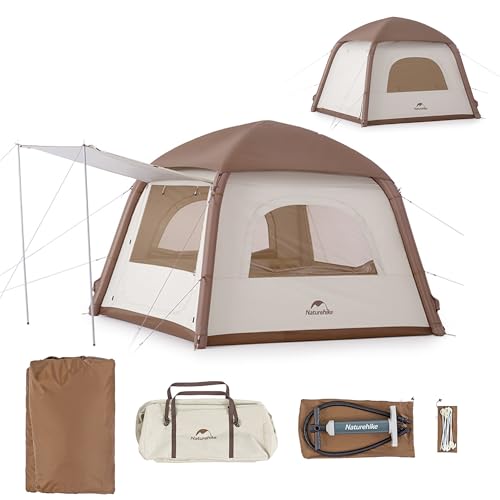
Dome, semi-dome, and elongated tunnel designs channel wind over and around the shelter instead of catching it. The lower the peak, the less leverage the wind has to lift or topple the tent.
Large Sand Pockets
Integrated sand pockets at the corners and base allow you to add serious weight. Fill them completely and the tent becomes substantially heavier and far more resistant to gusts.
Reinforced Guy Lines & Stakes
Quality guy lines with tension adjusters let you fine-tune stability. Specialized sand stakes (long, wide, and sometimes corkscrew-shaped) hold far better than standard camping stakes in loose sand.
Durable, UV-Resistant Fabric
Look for polyester or nylon with a high UPF rating and reinforced stitching at stress points. This prevents fabric failure when the tent is under constant wind pressure.
Flexible Yet Strong Poles
Fiberglass or aluminum poles that flex without breaking are essential. They absorb wind energy rather than snapping, keeping the structure intact.
Ventilation Without Compromise
Mesh panels and roll-up windows provide airflow without creating large openings that catch wind. The best designs balance breathability with structural integrity.
Types of Beach Tents That Handle Wind Well
Not all wind-resistant beach tents are the same. Here's a breakdown of the most common styles and how they perform in breezy conditions.
| Tent Type | Wind Resistance | Best For | Key Consideration |
|---|---|---|---|
| Pop-Up Beach Tent | Good (with sand pockets) | Quick setup, families | Must have reinforced poles and large sand pockets |
| Dome Beach Tent | Excellent | Windy exposed beaches | Low profile is critical; avoid tall dome models |
| Tunnel / Semi-Dome Tent | Very Good | Extended shade coverage | Ensure both ends are anchored securely |
| Beach Canopy with Sides | Moderate to Good | Group shade, picnics | Needs heavy weighting; consider a beach canopy that won't blow away |
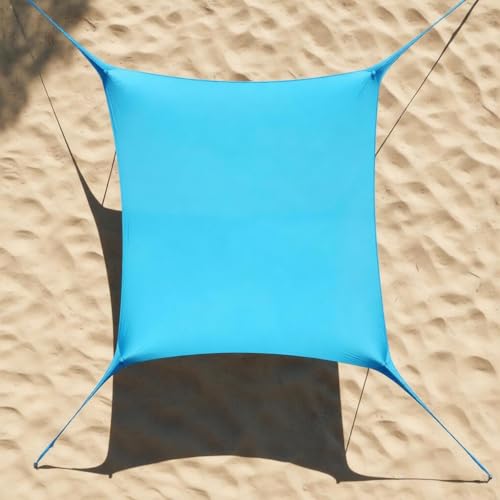
| Sun Shelter / Shade Sail | Low (in wind) | Minimal coverage, calm days | Not recommended for windy conditions |
If you're specifically looking for a pop-up option that stays put, a pop-up beach tent with sand pockets is one of the most practical choices. The sand pockets are the secret weapon—they turn the surrounding beach into free, unlimited ballast.
How to Anchor Your Beach Tent So It Won't Blow Away
Even the best-designed tent needs proper anchoring. Here's a step-by-step approach to securing your shelter in windy conditions.
- Choose the right spot: Set up behind a natural windbreak like dunes, rocks, or vegetation if possible. Avoid exposed ridges and open sand flats.
- Fill sand pockets first: Before you even think about stakes, fill every sand pocket to the brim. This alone can stabilize most tents.
- Use sand stakes or bury anchors: Standard stakes pull out of loose sand. Use wide sand stakes, or bury a stuff sack or driftwood as a deadman anchor and tie your guy lines to it.
- Angle guy lines correctly: Guy lines should extend at roughly a 45-degree angle from the tent. Too steep and they pull out; too shallow and they don't provide enough tension.
- Orient the tent into the wind: If your tent has a low, tapered end, point it toward the wind. This reduces the surface area exposed to gusts.
- Check and re-tension: Wind conditions change. Periodically check your guy lines and sand pockets, especially after a strong gust.
For more advanced setup techniques, including how to handle rain and soft ground, see our guide on setting up a tent on the beach.
Materials and Construction: What to Look For
The materials used in a beach tent directly affect its wind resistance and durability. Here's what matters most:
- Fabric: Polyester and nylon are both common. Polyester tends to resist UV degradation better, while nylon is often lighter and stronger. Look for ripstop weaves and reinforced stitching.
- Poles: Fiberglass poles are flexible and affordable. Aluminum poles are lighter and stronger but can bend permanently if overstressed. For windy conditions, flexibility is often preferable.
- Floor: A durable, waterproof floor (often PE or oxford fabric) prevents sand and moisture from entering. Some tents have a fully sealed floor; others have an open design.
- UPF Rating: A UPF 50+ rating blocks 98% of UV rays. This is essential for beach use, especially if you're spending hours in the sun.
- Weight: Heavier tents are generally more stable, but they're also harder to carry. For a beach tent that won't blow away, prioritize stability features over ultralight weight.
If you're comparing materials for other types of tents as well, our article on nylon vs polyester for tents provides a deeper analysis.
Common Mistakes That Cause Beach Tents to Blow Away
Even with a good tent, these mistakes can leave you chasing your shelter down the beach:
- Not filling sand pockets completely: Half-filled pockets provide half the weight. Fill them to the top.
- Relying only on the included stakes: Most included stakes are designed for soil, not sand. Upgrade to sand-specific stakes or use deadman anchors.
- Setting up in an exposed location: A little effort to find a natural windbreak makes a huge difference.
- Ignoring the weather forecast: If high winds are predicted, consider a different activity or bring a more robust shelter.
- Leaving the tent unattended: Wind can pick up suddenly. If you're leaving, collapse the tent or ensure it's extremely well-anchored.
For a broader look at beach shelter options, including canopies and shades, explore our guide on beach shade that blows in the wind to understand what to avoid.
Alternative Wind-Resistant Beach Shelter Options
If a traditional beach tent isn't quite right for your needs, consider these alternatives:
Beach Canopy with Sides
A canopy with attachable side walls provides more open space than a tent while still offering wind protection. Weight the legs heavily and use sand anchors. See our guide on a beach canopy that blows in the wind to understand the pitfalls.
Pop-Up Beach Tent with UV Protection
These offer a good balance of quick setup and sun protection. Look for models with sand pockets and a low profile. A pop-up beach tent with UV protection is ideal for families with young children.
Beach Tent That Flows in the Wind
Some designs are intentionally flexible, allowing them to bend and flow with the wind rather than resist it. These can be effective in moderate breezes. Learn more about a beach tent that flows in the wind.
Frequently Asked Questions
What is the best design for a beach tent that won't blow away?
Low-profile dome or semi-dome designs with a wide base and aerodynamic shape are best. They reduce wind resistance and lower the center of gravity, making them far more stable than tall, vertical designs.
How do sand pockets help keep a beach tent from blowing away?
Sand pockets are integrated pouches at the base of the tent that you fill with sand. This adds significant weight, anchoring the tent firmly to the ground. The heavier you fill them, the more resistance they provide against strong gusts.
Are pop-up beach tents good for windy conditions?
Not all pop-up tents are created equal. You need one specifically designed for wind resistance, with a low profile, reinforced poles, and large sand pockets. Some pop-up tents also include guy lines and stakes for added security.
Can I use a regular camping tent at the beach?
You can, but it's not ideal. Regular camping tents are not designed for loose sand, salt, and high coastal winds. They often lack proper sand anchoring and can be too tall. A dedicated beach tent is a better choice.
Final Thoughts: Enjoy the Beach Without the Battle
A beach tent that won't blow away is an investment in relaxation. By choosing a low-profile design, filling those sand pockets, and using proper anchoring techniques, you can enjoy the beach even when the wind picks up. Remember that no tent is completely windproof—but with the right preparation, you can handle most conditions comfortably.
Whether you're planning a family day trip or a full beach camping adventure, the right shelter makes all the difference. Combine your wind-resistant beach tent with a quality cooler, comfortable seating, and plenty of sun protection, and you're set for a great day by the water.