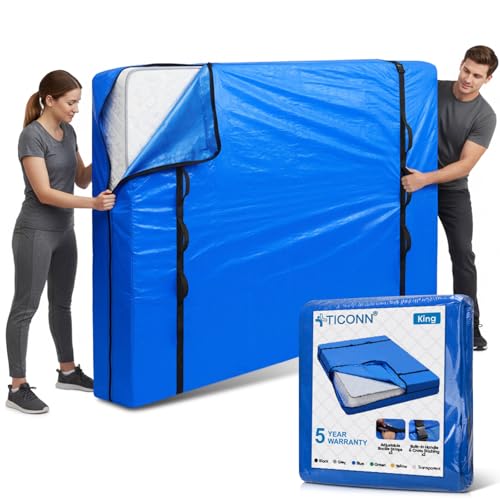
Bag for Moving Mattress: The Ultimate Protection Guide
Moving is stressful, but protecting your mattress shouldn't be. A quality mattress bag is your first line of defense against rips, stains, moisture, and dust. Our comprehensive guide will help you choose the perfect bag to keep your mattress in pristine condition.
Find Your Perfect BagWhy a Mattress Bag is Non-Negotiable: A mattress is one of the most expensive and difficult items to move. Without proper protection, it can be torn, soiled, or exposed to moisture during transit. A dedicated moving bag is a small investment that safeguards your sleep investment.
Types of Mattress Moving Bags
Plastic Mattress Bags
These are the most common and affordable option. Typically made from heavy-duty polyethylene, they are waterproof and protect against dust and dirt. They are ideal for single-use moves. Look for bags with a thickness of at least 3 mil for adequate durability.
Woven Polypropylene Bags
These are a step up in durability and reusability. The woven material is tear-resistant and can be used multiple times. Many feature reinforced handles and a zipper closure, making them easier to carry and secure. They offer excellent protection for both moving and storage.
Vinyl Mattress Bags
Heavy-duty and waterproof, vinyl bags are a premium option. They are excellent for long-term storage as they are resistant to pests and moisture. However, they are heavier and bulkier than plastic alternatives. Ensure the vinyl is thick and durable to avoid cracking.
Self-Sealing Bags
These specialized bags use a strong adhesive strip to create an airtight seal. They are excellent for preventing bed bugs and other pests from entering or escaping. They are a top choice for moving from an apartment or a high-risk area.
Key Features to Look For
- Durability & Thickness: Look for bags measured in "mil" (thousandths of an inch). 3-4 mil is standard; 6 mil or higher is heavy-duty and more resistant to tears.
- Size & Fit: Bags are sized by mattress type (Twin, Full, Queen, King) and depth. Measure your mattress, especially its depth, to ensure a proper fit. A bag that's too small will tear; one that's too large can be a tripping hazard.
- Closure Type: Options include open-end (you tape it shut), zipper, and self-sealing adhesive. Zippers and self-sealing options are more secure and convenient.
- Handles: Reinforced handles make carrying a heavy mattress significantly easier and reduce the risk of dropping it. This is a key feature for larger mattresses.
- Waterproof vs. Water-Resistant: For moving in wet weather or for storage in a humid environment, a fully waterproof bag is essential. Water-resistant bags offer basic protection against spills but not prolonged exposure.
How to Choose the Right Bag for Your Move
Selecting the correct bag depends on your specific needs. For a simple, local move, a standard plastic bag might suffice. However, for long-distance moves, storage, or moving from an apartment, investing in a heavy-duty woven or vinyl bag is a wise decision. Consider the following:
- For a standard move: A mid-range plastic or woven bag offers a good balance of protection and value.
- For long-term storage: Choose a breathable woven bag or a heavy-duty vinyl bag to prevent moisture buildup and pest infestation.
- For maximum protection: A premium self-sealing bag or a thick, multi-layer woven bag with handles provides the highest level of security against tears, water, and pests.
If you're also moving other furniture, consider how a mattress bag fits into your overall moving strategy. For those setting up a new home, you might also be interested in our guide to memory foam mattress toppers to enhance comfort.
Expert Tips for Using a Mattress Moving Bag
- Measure Twice, Buy Once: Always measure your mattress's length, width, and depth before purchasing a bag.
- Clean Before You Bag: Vacuum your mattress and let it air out before sealing it. This prevents trapping odors and dust.
- Use Tape for Extra Security: For open-end bags, use strong packing tape to seal the opening. For zippered bags, tape over the zipper for extra protection against water and tears.
- Lift with Your Legs, Not Your Back: A mattress in a bag can be awkward and heavy. Use proper lifting techniques and ask for help. The handles on a quality bag are there for a reason.
- Reinforce Corners: The corners of a mattress are the most vulnerable. You can add extra protection by wrapping them with cardboard or bubble wrap before placing the mattress in the bag.
Frequently Asked Questions
What is the best material for a mattress moving bag?
For maximum protection, heavy-duty polyethylene or woven polypropylene bags are best. They are tear-resistant, waterproof, and durable enough to withstand the moving process.
How do I choose the right size bag for my mattress?
Measure your mattress's length, width, and depth (height). Choose a bag that matches or slightly exceeds these dimensions. Most bags are labeled by mattress size (Twin, Full, Queen, King) and depth.
Can I use a mattress bag for storage?
Yes, but choose a breathable bag if storing long-term to prevent mold. For short-term storage or moving, heavy-duty plastic bags are excellent for protecting against dust, moisture, and pests.
Are mattress bags reusable?
Many heavy-duty woven bags are reusable. Plastic bags are often designed for single-use but can be carefully reused if not torn. Always check the product description for reusability.