Back Country Skiing Gear: The Complete Alpine Touring Guide
Everything you need to know before buying alpine touring skis, boots, bindings, skins, and avalanche safety equipment. Make confident decisions for your next backcountry adventure.
Explore the GearWhy This Guide Matters: Backcountry skiing gear is a significant investment, and the wrong setup can compromise your safety and enjoyment. This guide breaks down each component—skis, boots, bindings, skins, and safety gear—so you understand exactly what you're buying and why. Whether you're a resort skier transitioning to the backcountry or an experienced tourer upgrading your kit, this information will help you choose equipment that matches your terrain, ability, and objectives.
Understanding the Core Components
Backcountry skiing—also called alpine touring or ski touring—requires specialized gear that differs significantly from resort equipment. The ability to ascend slopes using climbing skins and then descend with locked-down heels demands a carefully matched system. Each component affects the others, so understanding the whole picture is essential before you buy. If you're also planning to extend your adventures into colder months, our winter camping guide covers complementary skills and gear for overnight trips.
Alpine Touring Skis
AT skis are lighter than resort skis, with a shape and flex designed for both climbing and descending. Waist width, length, and turn radius determine how they perform in powder, crud, and icy conditions.
- Entry-level: Heavier, forgiving, good for beginners
- Mid-range: Balanced weight and performance
- Premium: Lightweight materials (carbon, paulownia)
- Luxury: Custom or ultra-light touring specific
AT Boots
Touring boots feature a walk mode for uphill travel and a ski mode for downhill control. Fit, stiffness, and range of motion are critical. Boots must match your bindings and skiing style.
- Entry-level: Softer flex, heavier, wide fit
- Mid-range: Versatile flex, good walk mode
- Premium: Lightweight, stiff, precise fit
- Luxury: Race-oriented or custom-molded
Bindings
AT bindings allow the heel to lift for climbing and lock down for descending. They vary in weight, release characteristics, and ease of use. Tech bindings are lighter; frame bindings are more forgiving.
- Entry-level: Frame bindings, heavier, easy to use
- Mid-range: Tech bindings with brakes
- Premium: Lightweight tech, high release consistency
- Luxury: Race or ultra-light tech bindings
Climbing Skins
Skins attach to the base of your skis to provide traction for uphill travel. They are made from mohair, nylon, or a blend. Glue quality, tip/tail attachments, and cut width affect performance.
- Entry-level: Nylon, durable, heavier
- Mid-range: Mohair blend, good glide
- Premium: 100% mohair, lightweight
- Luxury: Custom-cut, race-specific
Avalanche Safety Gear
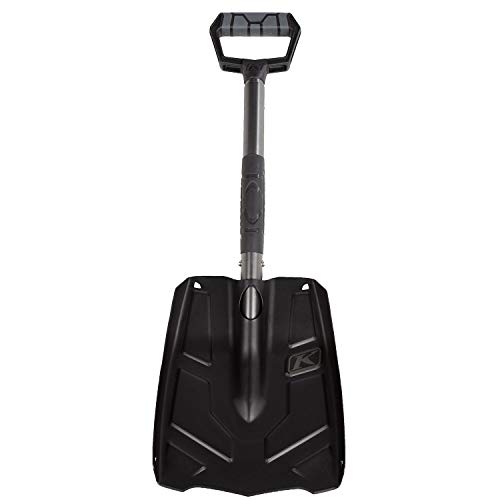
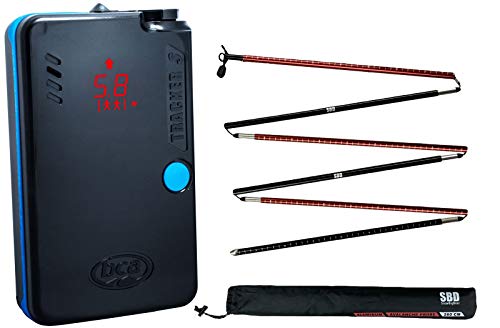
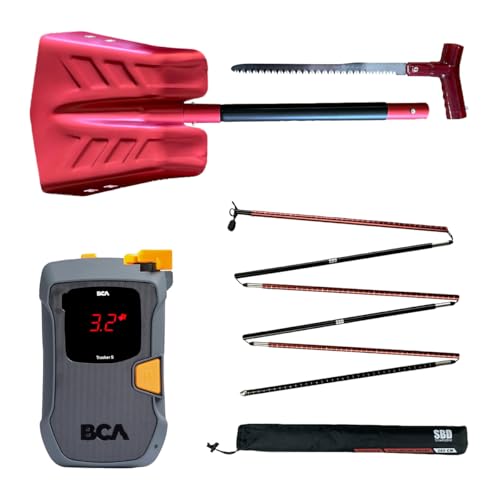
This is non-negotiable for backcountry travel. You need a transceiver (beacon), probe, and shovel. Modern beacons offer multiple antennas and digital displays for faster searching.
- Entry-level: Basic 2-antenna beacon, aluminum shovel
- Mid-range: 3-antenna beacon, adjustable probe
- Premium: Digital beacon with advanced features
- Luxury: Professional-grade, multi-function
Poles, Packs & Accessories
Touring poles are adjustable and often have extended grips for side-hilling. Packs range from minimalist day packs to airbag-equipped models. Other essentials include goggles, helmets, and layers.
- Entry-level: Basic adjustable poles, simple daypack
- Mid-range: Carbon poles, feature-rich pack
- Premium: Lightweight carbon, airbag pack
- Luxury: Custom or expedition-grade
How to Match Gear to Your Objectives
Your intended use should drive every gear decision. A short tour on low-angle terrain demands different equipment than a multi-day expedition in steep, glaciated mountains. Consider your fitness, skill level, and the type of snow you'll encounter. For those who also enjoy camping in snowy conditions, our snow camping Alaska guide offers additional insights into cold-weather preparedness.
| Objective | Recommended Skis | Boots | Bindings |
|---|---|---|---|
| Beginner / Low-Angle Tours | Entry-level, wider waist (100–110mm), forgiving flex | Entry-level, softer flex, comfortable fit | Frame bindings or simple tech bindings |
| All-Mountain Touring | Mid-range, 95–105mm waist, versatile | Mid-range, moderate flex, good walk mode | Tech bindings with brakes |
| Steep & Technical Descents | Premium, 105–115mm waist, stiff tail | Premium, stiff flex, precise fit | High-release tech bindings |
| Multi-Day Expeditions | Premium or Luxury, lightweight, 100–110mm | Premium, lightweight, warm | Ultra-light tech bindings |
| Race / Speed Touring | Luxury, ultra-light, narrow waist | Luxury, race-specific, minimal | Race tech bindings |
Detailed Gear Breakdown
Alpine Touring Skis: What to Look For
AT skis are the foundation of your setup. They must balance weight for climbing with stability for descending. Key specs include waist width, turn radius, and construction materials. Lighter skis (often with carbon or paulownia cores) excel on long tours, while heavier skis offer better dampness and performance in variable snow. If you're also considering summer adventures, our guide to hiking backpacks for men can help you choose a pack that works across seasons.
Entry-level skis are typically heavier and more forgiving, making them ideal for beginners. Mid-range models offer a balance of weight and performance. Premium skis use advanced materials to reduce weight without sacrificing downhill capability. Luxury or race skis are ultra-light and designed for speed and efficiency on the ascent.
AT Boots: Fit and Flex
Boots are your most personal piece of gear. They must fit well, offer a sufficient range of motion for walking, and provide the stiffness needed for downhill control. Touring boots have a walk mode that unlocks the cuff for uphill travel. The flex index indicates stiffness—softer for beginners, stiffer for experts. Boots must be compatible with your bindings (tech fittings vs. DIN soles).
Entry-level boots are softer and heavier, with a more generous fit. Mid-range boots offer a good compromise. Premium boots are lighter, stiffer, and often heat-moldable. Luxury boots are race-oriented or custom-made for the ultimate fit and performance.
Bindings: Tech vs. Frame
Bindings connect your boots to your skis and are either frame-style or tech-style. Frame bindings are heavier but easier to step into and offer more consistent release. Tech bindings (also called pin bindings) are lighter and more efficient for touring but require compatible boots and can be more finicky. Consider the release settings and brake options.
Entry-level frame bindings are a good choice for beginners. Mid-range tech bindings offer a balance of weight and features. Premium tech bindings are lighter and more durable. Luxury race bindings are minimal and ultra-light.
Climbing Skins: Glide and Grip
Skins are essential for uphill travel. They attach to the ski base and provide traction. Mohair skins offer the best glide, nylon skins are more durable, and blends balance both. The glue must be reliable in cold temperatures. Tip and tail attachments should be secure and easy to use. Skins must be cut to the width of your skis.
Entry-level nylon skins are durable and affordable. Mid-range mohair blend skins offer better glide. Premium 100% mohair skins are lightweight and glide exceptionally well. Luxury skins are custom-cut for race or expedition use.
Avalanche Safety Gear: Your Lifeline
Never enter the backcountry without a transceiver, probe, and shovel—and the knowledge to use them. Transceivers should be worn on your body, not in your pack. Modern digital beacons with three antennas are easier to use and more reliable. Probes should be at least 240cm long. Shovels should be metal, not plastic. Take an avalanche safety course before you go.
Entry-level safety kits include a basic 2-antenna beacon, aluminum shovel, and probe. Mid-range kits offer a 3-antenna beacon with more features. Premium kits include advanced digital beacons and lightweight probes. Luxury options are professional-grade with multi-function displays.
Poles, Packs, and Accessories
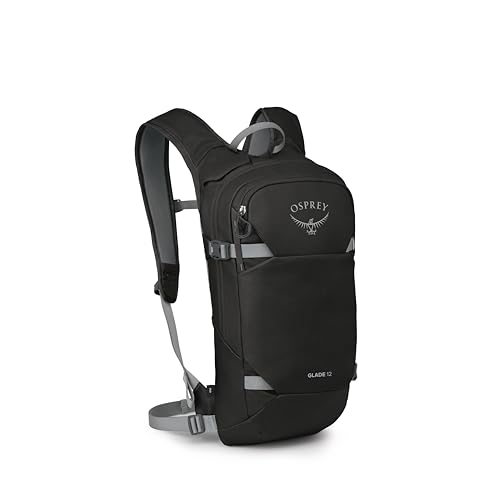
Adjustable poles with extended grips are ideal for touring, as they allow you to change length for climbing and descending. A good touring pack should carry your safety gear, water, food, and extra layers. Airbag packs can help you stay on the surface in an avalanche but require training and maintenance. Other accessories include helmets, goggles, and sun protection.
Entry-level gear includes basic adjustable poles and a simple daypack. Mid-range gear features carbon poles and a pack with dedicated safety gear pockets. Premium gear is lightweight and feature-rich. Luxury gear is expedition-ready or custom.
Building Your Kit: A Step-by-Step Approach
Start with the essentials: boots, skis, bindings, and skins. Then add safety gear. Finally, consider comfort and convenience items. If you're new to camping in general, our camping essentials checklist can help you think through other gear you might need for overnight trips. Remember that compatibility is key—boots must fit bindings, and bindings must mount to your skis. Many retailers offer package deals that ensure compatibility.
Frequently Asked Questions
Can I use my resort skis for backcountry skiing?
Technically, you can, but it's not recommended. Resort skis are heavier and not designed for uphill travel. You'll also need touring bindings and boots. A dedicated AT setup will make your experience safer and more enjoyable. If you're just starting, consider renting gear before buying.
What is the most important piece of backcountry gear?
Your avalanche safety gear—transceiver, probe, and shovel—is the most critical. Without it, you're putting yourself and your partners at risk. Boots are a close second because they must fit well and perform on both the ascent and descent.
How do I choose the right ski width?
Waist width depends on the snow conditions you'll encounter. Narrower skis (under 90mm) are better for firm snow and long tours. Mid-width (95–105mm) is versatile. Wider skis (over 105mm) excel in deep powder but are heavier to tour on. For a detailed discussion on tent sizing and gear compatibility, see our tent size guide.
Do I need a helmet for backcountry skiing?
Helmets are strongly recommended. They protect against head injuries from falls, tree branches, and avalanches. Choose a lightweight model with good ventilation. Ensure it's compatible with your goggles.
How often should I replace my climbing skins?
Skins can last several seasons with proper care. Replace them when the glue no longer sticks reliably or the plush is worn down. Always store skins in a cool, dry place and avoid getting them dirty.
Ready to Gear Up?
Now that you understand the components, you're ready to make informed decisions. Check out our recommended backcountry skiing gear below—curated to help you find the right equipment for your adventures.
View Recommended GearFor more outdoor inspiration, explore our guides to camping destinations, winter camping, and camping technology.