12 Volt LED Strip Lights for RV: The Complete Guide
Transform your RV's interior and exterior with energy-efficient 12V LED strip lights. Learn how to choose, install, and power the perfect lighting for your camper.
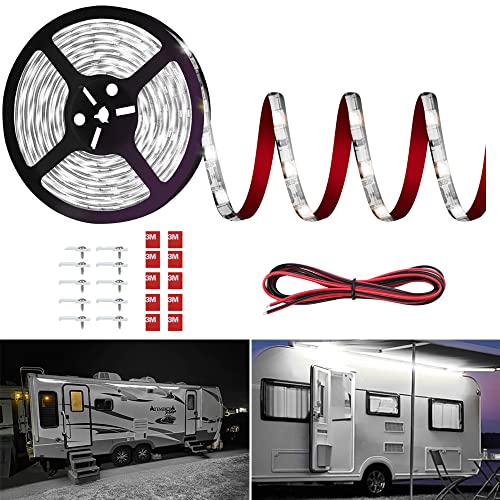
SHOP RECOMMENDED LIGHTSWhy 12V LED Strips? They draw minimal power from your RV's house battery, run cool, last for years, and can be cut to custom lengths. Whether you need ambient lighting for the living area or bright task lighting for the galley, 12V LED strips offer a flexible, low-voltage solution that integrates seamlessly with your RV's electrical system.
Why 12V LED Strip Lights Are Ideal for RVs
RVs rely on 12-volt DC power, making 12V LED strip lights a natural fit. Unlike 120V household strips that require an inverter, these lights connect directly to your camper's battery system, conserving energy and reducing the load on your power setup. Here are the key benefits:
- Energy Efficiency: LEDs consume a fraction of the power of incandescent bulbs, extending your boondocking time. A typical 5-meter strip may draw only 2–4 amps at 12V, depending on brightness and length.
- Low Heat Output: LEDs produce almost no heat, making them safe for enclosed spaces like cabinets, under-bunks, and awnings.
- Flexibility: Most strips can be cut at marked intervals, allowing you to customize lengths for specific areas—under cabinets, along toe kicks, inside storage bays, or as accent lighting.
- Durability: Quality LED strips are rated for 50,000+ hours and resist vibration, making them well-suited for the road.
- Variety: Choose from warm white for cozy evenings, cool white for task lighting, or RGB for customizable color scenes.
Types of 12V LED Strip Lights for Your RV
Not all LED strips are created equal. Understanding the differences helps you select the right product for each application.
1. Single-Color (White) Strips
These are the most common and cost-effective option. They emit a fixed color temperature—typically warm white (2700K–3000K), natural white (4000K–4500K), or cool white (6000K–6500K). Warm white is ideal for living areas and bedrooms, while cool white works well in kitchens and workspaces. If you prefer a classic, warm glow similar to traditional lanterns, you might also appreciate outdoor lights that look like gas lanterns for a vintage aesthetic.
2. RGB (Color-Changing) Strips
RGB strips include red, green, and blue LEDs that mix to create millions of colors. They often come with a remote control or smartphone app, letting you set the mood for any occasion. These are popular for exterior under-glow, awning lighting, and interior accent walls. If you enjoy customizable ambiance, you might also like LED lights for paper lanterns with remote to complement your RV's decor.
3. RGBW and RGBWW Strips
These add a dedicated white LED (or warm white + cool white) to the RGB mix, giving you both vibrant colors and a pure white light without the need to mix RGB channels. They are slightly more expensive but offer superior white tones for daily use.
4. Addressable (Digital) Strips
Each LED on an addressable strip can be controlled individually, enabling effects like chasing, fading, and patterns. These are more complex to install and require a compatible controller, but they offer unmatched creative potential.
5. COB (Chip-on-Board) Strips
COB strips feature a continuous line of phosphor coating over multiple LED chips, producing a smooth, dot-free light output. They are ideal for areas where you want even illumination without visible hotspots, such as under cabinets or along ceiling coves.
Key Specifications to Consider Before Buying
When shopping for 12V LED strips, pay attention to these technical details to ensure compatibility and performance.
| Specification | What to Look For | Why It Matters |
|---|---|---|
| Voltage | 12V DC (some are 24V DC) | Must match your RV's electrical system. 12V is standard for most RVs; 24V systems require a converter. |
| LED Density | 30–60 LEDs per meter (low), 60–120 (medium), 120+ (high) | Higher density means brighter, more uniform light and less visible dots. |
| Power Draw | 2–14 watts per meter (varies by density and color) | Calculate total draw to ensure your battery and wiring can handle the load. |
| IP Rating | IP20 (indoor), IP65 (water-resistant), IP67/IP68 (waterproof) | Choose IP65 or higher for exterior, undercarriage, or damp locations. |
| Cutting Interval | Every 3 LEDs (5cm) or 6 LEDs (10cm) | Determines how precisely you can customize length. |
| Adhesive Backing | 3M VHB or similar high-strength tape | Cheap adhesives fail in heat and vibration; quality tape ensures a lasting bond. |
| Control | Remote, app, wall switch, or smart home integration | Consider how you want to operate the lights—especially for hard-to-reach areas. |
Installation Tips for RV LED Strip Lights
Installing LED strips is a DIY-friendly project, but proper preparation ensures a clean, durable result. Follow these guidelines:
- Plan Your Layout: Measure the areas you want to illuminate. Sketch a diagram showing strip lengths, power source, and controller placement.
- Clean Surfaces: Wipe down mounting surfaces with isopropyl alcohol to remove dust, grease, and residue. This is critical for adhesive performance.
- Test Before Permanent Mounting: Temporarily connect the strip and check brightness, color, and coverage. Adjust placement as needed.
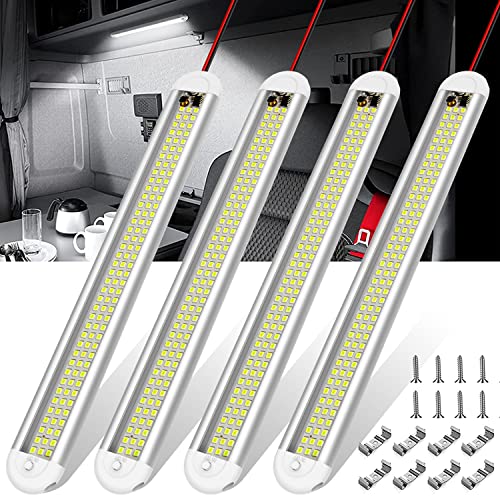
- Use Mounting Channels: For a professional look and added protection, consider aluminum channels with diffusers. They also help dissipate heat and prevent peeling.
- Secure Connections: Use solder or waterproof connectors for permanent splices. Avoid twisting wires; use heat-shrink tubing for exterior connections.
- Fuse Protection: Always install an inline fuse on the positive wire near the power source to protect against short circuits.
- Consider Dimming: A PWM dimmer allows you to adjust brightness, saving battery and setting the right mood. Many RGB controllers include dimming.
Powering 12V LED Strips in Your RV
Your RV's 12V system can power LED strips directly, but you need to consider the following:
- Battery Capacity: Calculate the total wattage of your strips. For example, a 5-meter strip drawing 4 amps per hour will consume 4 amp-hours (Ah) in one hour. If you plan to run them for 6 hours nightly, that's 24Ah—significant for a small battery bank.
- Wiring Gauge: Use appropriate wire gauge (AWG) based on current draw and distance. Voltage drop can cause dimming and overheating. For runs over 5 meters, consider thicker wire or multiple power injection points.
- Switches and Relays: For high-current strips, use a relay triggered by a switch to avoid overloading the switch contacts.
- Solar Compatibility: If you have solar, LED strips are a great way to enjoy lighting without draining your batteries. Pair them with a camping power bank for portable use.
Creative Applications for RV LED Strip Lights
From practical to decorative, here are popular ways RVers use 12V LED strips:
- Under-Cabinet Lighting: Illuminate kitchen counters and work areas with warm white strips.
- Interior Accent Lighting: Run strips along ceiling coves, under dinettes, or behind entertainment centers for a modern glow.
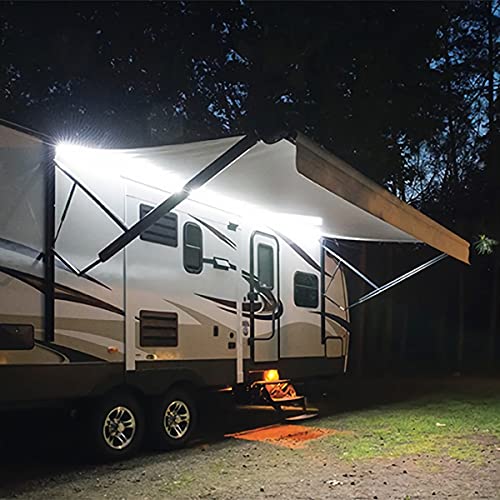
- Exterior Awning Lighting: Mount RGB or white strips under your awning for evening gatherings. Use IP65 or higher.
- Storage Bay Illumination: Light up basement compartments with motion-sensor strips.
- Step and Entry Lighting: Improve safety with strips along entry steps and door thresholds.
- Under-Glow Kits: Add RGB strips under the RV for a custom look at campsites.
- Bunk and Bed Lighting: Give kids or guests individual reading lights with dimmable strips.
Frequently Asked Questions
Can I cut 12V LED strips to custom lengths?
Yes, most strips have marked cut lines, typically every 3 LEDs (5cm) or 6 LEDs (10cm). Always cut exactly on the marked line to avoid damaging the circuit. After cutting, you can reconnect the remaining strip using solder or connector clips.
Do I need a special controller for RGB strips?
Yes, RGB strips require a controller to mix colors and manage effects. Controllers range from basic IR remotes to advanced Wi-Fi/Bluetooth models with app control. Ensure the controller matches the strip's voltage and current rating.
How many amps do 12V LED strips draw?
Power draw depends on length, LED density, and color. A typical 5-meter white strip might draw 2–4 amps, while high-density RGB strips can draw 6–10 amps. Always check the manufacturer's specifications and calculate total load before connecting.
Can I use household LED strips in my RV?
No, household strips are usually 120V AC and require an inverter. Using them directly on 12V DC will not work and may damage the strips. Always choose 12V DC strips designed for automotive or RV use.
What's the best way to mount LED strips on textured RV walls?
For textured or uneven surfaces, use mounting channels or clips instead of relying solely on adhesive. Clean the surface thoroughly, and consider adding a few dabs of silicone adhesive at intervals for extra security.
Are 12V LED strips safe for exterior use?
Only if they have an appropriate IP rating (IP65 or higher). Exterior strips should also be installed with drip loops and sealed connections to prevent water ingress. For more exterior lighting options, see 12 volt LED strip lights for RV exterior.