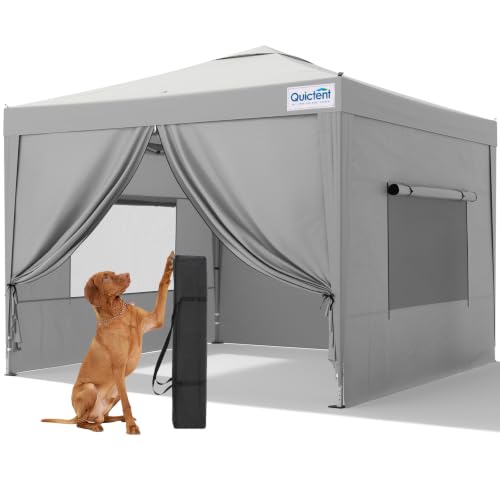
Waterproof Pop Up Gazebo with Sides: The Ultimate Instant Shelter Guide
A waterproof pop up gazebo with sides is one of the most versatile outdoor investments you can make. Unlike traditional tents that require complex assembly, these instant shelters deploy in minutes and provide reliable protection against rain, wind, and sun. Whether you are setting up a base camp for a weekend camping trip, creating a shaded area for a backyard gathering, or establishing a vendor booth at an outdoor event, understanding what makes a quality gazebo is essential before you buy.
Why Invest in a Pop Up Gazebo with Sides? The side walls are the defining feature that separates a basic canopy from a true weatherproof shelter. They block wind-driven rain, provide privacy, and retain heat in cooler conditions. For campers, this means a dry cooking area, a protected dining space, and a comfortable retreat when the weather turns. For event organizers and vendors, side walls offer security and a professional appearance. This guide covers everything you need to know about selecting, using, and maintaining a waterproof pop up gazebo with sides.
What Makes a Pop Up Gazebo Truly Waterproof?
Not all gazebos labeled "waterproof" perform equally. The term is often used loosely, so understanding the technical details helps you avoid disappointment. A genuinely waterproof pop up gazebo with sides relies on three key components: the canopy material, the frame construction, and the seam sealing.
Canopy Fabric: The First Line of Defense
Most quality pop up gazebos use either polyester or nylon fabric coated with a waterproof layer. The coating is typically polyurethane (PU) or polyvinyl chloride (PVC). PU coatings are lighter and more flexible, making them ideal for portable gazebos. PVC coatings are heavier and more durable, often found on premium models designed for frequent use. The fabric's denier rating indicates its thickness and durability—higher denier numbers mean a thicker, more tear-resistant material. For camping, a 210D to 300D polyester with a PU coating offers an excellent balance of weight and protection. If you plan to use your gazebo in sustained heavy rain, look for models with a hydrostatic head rating of at least 1,500mm, though 2,000mm or higher is preferable.
Frame Construction: Stability in Wind and Rain
The frame determines how well your gazebo withstands wind and how easy it is to set up. Steel frames are the most common and offer good strength, but they are heavier and can rust if the powder coating chips. Aluminum frames are lighter and rust-resistant, making them a better choice for campers who need to transport their shelter. Look for frames with reinforced joints and a powder-coated finish for corrosion resistance. The leg thickness also matters—thicker legs provide greater stability. Many instant gazebos feature a scissor-style or accordion frame that expands when you pull the legs apart. This mechanism is convenient but can be a weak point in strong winds, so choose a model with sturdy cross-bracing and the ability to anchor the legs securely.
Seam Sealing and Weatherproofing Details
Even the best fabric can leak at the seams if they are not properly sealed. Quality manufacturers use heat-sealed or taped seams to prevent water penetration. Some also apply a waterproofing treatment to the entire canopy, including the seams. When evaluating a gazebo, check whether the seams are taped or welded. If the manufacturer does not mention seam sealing, it is a red flag. Additionally, look for features like a vented roof or a peak design that allows water to run off rather than pooling. Water pooling on the roof can stretch the fabric and eventually cause leaks or collapse.
The Role of Side Walls in a Pop Up Gazebo
The side walls transform a simple canopy into a fully enclosed shelter. They are typically made from the same waterproof material as the roof and attach to the frame using Velcro straps, zippers, or clips. Some models include windows or mesh panels for ventilation, while others offer solid walls for maximum privacy and weather protection.
Types of Side Wall Configurations
Pop up gazebos with sides come in several configurations. A full set of four walls provides complete enclosure, which is ideal for camping in cold or rainy conditions. Some models offer removable walls, allowing you to use just one or two sides for wind protection while keeping the rest open for airflow. Others feature walls with large windows or mesh screens, which are great for summer use because they block bugs while allowing breezes to pass through. When choosing, consider how you will use the gazebo most often. For camping, a model with at least two solid walls and two mesh walls offers flexibility. For events, four solid walls with zip-up doors provide security and a professional look.
Ventilation and Condensation Control
Enclosed spaces can trap moisture from cooking, breathing, and wet gear. Without proper ventilation, condensation forms on the inside of the canopy and walls, dripping onto occupants and equipment. Look for gazebos with built-in vents, mesh panels, or the ability to roll up walls partially. Some premium models include a roof vent that allows warm, moist air to escape while keeping rain out. If you plan to use a heater or cook inside your gazebo, ventilation is not optional—it is a safety requirement. Always ensure there is a source of fresh air to prevent carbon monoxide buildup.
Choosing the Right Size for Your Needs
Pop up gazebos come in a range of sizes, from compact 6x6 feet models for solo campers to large 12x12 feet or 10x20 feet canopies for group events. The right size depends on how many people will use it and what activities you plan to do inside.
For a solo camper or a couple, a 6x6 or 8x8 feet gazebo provides enough space for a small table, two chairs, and some gear. If you need room for cooking and dining, an 8x8 or 10x10 feet model is more comfortable. Families or groups of four to six people should consider a 10x10 or 12x12 feet gazebo. For large gatherings, vendor booths, or group camping, a 10x20 feet canopy offers ample space. Keep in mind that larger gazebos are heavier and more difficult to transport and set up alone. If portability is a priority, choose the smallest size that meets your needs.
Height is another important consideration. Most pop up gazebos have a peak height of 8 to 10 feet and a side height of 6 to 7 feet. Taller models provide more headroom and better airflow, but they can be less stable in wind. Some models offer adjustable legs, allowing you to set the height to suit the terrain. If you plan to use your gazebo on uneven ground, adjustable legs are a valuable feature.
Setting Up and Stabilizing Your Gazebo
One of the main advantages of a pop up gazebo is its quick setup. Most models can be deployed in under five minutes by one or two people. The process typically involves removing the gazebo from its carry bag, standing it upright, pulling the legs apart to expand the frame, and then extending the legs to the desired height. The canopy is usually pre-attached to the frame, so there is no need to thread poles through fabric.
However, quick setup does not mean you can skip stabilization. A pop up gazebo is essentially a large sail, and even a moderate breeze can lift it off the ground or send it tumbling. Always anchor your gazebo using the provided stakes or sandbags. If the ground is too hard for stakes, use weight bags filled with sand or water attached to each leg. For added security, guy lines can be attached to the frame and staked out. Never leave a gazebo unattended in windy conditions, and take it down if winds are forecast to exceed 15 to 20 miles per hour.
When setting up on a hard surface like concrete or asphalt, you cannot use stakes. In this case, weight bags are essential. Some models come with pre-drilled holes in the feet for bolting down, but this is only practical for semi-permanent installations. For camping, choose a sheltered spot behind trees or a windbreak if possible. If you are using your gazebo in a campsite, be mindful of Leave No Trace principles and avoid damaging vegetation.
Maintenance Tips for Long-Lasting Performance
To get the most out of your waterproof pop up gazebo with sides, proper care is essential. After each use, especially in wet conditions, allow the gazebo to dry completely before packing it away. Storing it damp can lead to mold, mildew, and fabric degradation. If the canopy becomes dirty, clean it with a mild soap solution and a soft brush. Avoid harsh chemicals or abrasive cleaners that can damage the waterproof coating.
Inspect the frame regularly for signs of rust, bending, or loose joints. Tighten any loose screws or bolts and replace damaged parts promptly. If the waterproof coating begins to wear off, you can reapply a spray-on waterproofing treatment designed for outdoor fabrics. Store your gazebo in a cool, dry place away from direct sunlight when not in use. With proper care, a quality pop up gazebo can last for many seasons.
Common Use Cases for Pop Up Gazebos with Sides
These versatile shelters serve a wide range of purposes. Campers use them as a sheltered cooking and dining area, especially in rainy or windy conditions. The side walls protect the cooking area from wind, which is crucial for maintaining a steady flame on a camp stove. They also provide a dry place to sit and relax when the weather is unpleasant. For those who enjoy camping along the Pacific Coast Highway or other coastal areas, a gazebo with sides offers protection from wind-blown sand and salt spray.
Beyond camping, pop up gazebos are popular for backyard parties, farmers markets, craft fairs, and sporting events. Vendors use them to display merchandise and protect goods from the elements. Families use them for picnics, graduations, and outdoor birthdays. The side walls provide privacy and shade, making them ideal for beach camping or a day at the lake. If you are planning a camping trip with a large group, a gazebo can serve as a central gathering place for meals and activities.
Key Features to Look For Before You Buy
When comparing waterproof pop up gazebos with sides, focus on these critical features:
- Waterproof Rating: Look for a hydrostatic head rating of at least 1,500mm, preferably 2,000mm or higher.
- Frame Material: Aluminum for lightweight portability, steel for maximum strength and stability.
- Seam Sealing: Taped or heat-sealed seams are essential for true waterproofing.
- Side Wall Configuration: Choose between solid walls, mesh windows, or a combination based on your needs.
- Ventilation: Roof vents or mesh panels prevent condensation and improve air circulation.
- Anchoring System: Include stakes, guy lines, and weight bags for secure setup in various conditions.
- Carry Bag: A durable carry bag with wheels or shoulder straps makes transport easier.
- Warranty: A good warranty indicates manufacturer confidence in their product.
Quality tiers vary across the market. Entry-level models are suitable for occasional use and light weather. Mid-range gazebos offer better materials, stronger frames, and improved waterproofing, making them a good choice for regular campers. Premium and luxury models feature heavy-duty fabrics, reinforced frames, and advanced weatherproofing for professional or frequent use. Choose the tier that matches your usage frequency and expected conditions.
Pop Up Gazebo vs. Other Shelter Options
While a pop up gazebo with sides is an excellent choice for many situations, it is helpful to understand how it compares to other shelters. Traditional camping tents are more enclosed and better for sleeping, but they lack the open, social atmosphere of a gazebo. Screen houses offer bug protection but may not be fully waterproof. Canopies without sides are lighter and easier to set up but offer less protection from wind and rain.
For campers who want a dedicated sleeping shelter plus a separate living space, combining a tent with a gazebo is a popular approach. If you are looking for a tent that can serve a similar purpose, consider a large camping tent with screen room or a tent with a screen porch. These options provide a sleeping area and a screened living space in one package. However, a pop up gazebo still offers advantages in terms of setup speed and versatility for non-camping events.
For those who prioritize quick setup, a pop up gazebo is unmatched. If you need a shelter that can be set up by one person in under five minutes, it is the clear winner. For backpacking or minimalist camping, however, the weight and bulk of a gazebo may be prohibitive. In those cases, a lightweight tarp or an easy-to-set-up one-person tent is a better choice.
Using Your Gazebo in Different Weather Conditions
A waterproof pop up gazebo with sides is designed to handle rain, but not all rain is equal. Light to moderate rain is easily managed by a quality gazebo. Heavy, sustained rain can overwhelm even the best waterproofing if water pools on the roof. To prevent pooling, ensure the roof is taut and consider adding a center pole or support if the design allows. In windy conditions, always anchor the gazebo securely and consider taking it down if gusts exceed the manufacturer's recommended limit.
In cold weather, the side walls help retain heat, making the gazebo a comfortable retreat. However, if you use a heater inside, ensure proper ventilation to avoid carbon monoxide buildup. Never use a fuel-burning heater in a fully enclosed space without adequate airflow. For winter camping, a hot tent camping setup with a wood stove may be more appropriate. If you are camping in snowy conditions, check out our guide on how to set up a tent on snow for tips that also apply to gazebos.
In hot weather, the side walls can be rolled up or removed to allow airflow. The canopy provides shade, reducing the temperature underneath by several degrees. This makes a gazebo a valuable asset for summer camping, picnics, and outdoor events. For beach use, a gazebo with sides offers protection from wind and sand, but be sure to anchor it securely in loose sand using sandbags or specialized sand stakes.
Safety and Regulatory Considerations
When using a pop up gazebo, especially with side walls, safety should always be a priority. Never use a camp stove, grill, or heater inside a fully enclosed gazebo without proper ventilation. Carbon monoxide is odorless and can be deadly. Always leave at least one side open or use a model with mesh panels to ensure fresh air circulation. Keep a fire extinguisher nearby when cooking inside or near the gazebo.
Check local regulations before setting up a gazebo at a campground or public space. Some campgrounds have restrictions on structures, especially those that could damage grass or trees. Follow campfire safety rules if you plan to have a fire nearby, and always extinguish your campfire completely before leaving. If you are camping in a national park or forest, review the national park rules or BLM camping rules regarding temporary structures. In areas with fire bans, be aware of the fire ban guide and adjust your plans accordingly.
For emergency preparedness, consider keeping a camping first aid kit in your gazebo. Know the emergency SOS signals and have a way to communicate if you are in a remote area. A camping communication device such as a satellite messenger or two-way radio can be a lifesaver. If you are camping in an area with wildlife, follow food storage rules and never store food inside your gazebo overnight.
Final Thoughts: Is a Waterproof Pop Up Gazebo with Sides Right for You?
A waterproof pop up gazebo with sides is an excellent investment for campers, event organizers, and anyone who spends time outdoors. It offers quick setup, reliable weather protection, and versatile use across seasons and activities. By understanding the key features—waterproof rating, frame material, seam sealing, and side wall configuration—you can choose a model that meets your specific needs and budget tier.
Whether you are planning a camping trip with a large group, setting up a vendor booth, or simply want a comfortable outdoor space at home, a quality gazebo delivers value season after season. Pair it with other camping essentials and gear for first-time campers to build a complete outdoor kit. For those who prefer a lighter option, a waterproof pop up canopy with sides offers similar benefits in a more compact package. And if you need a shelter that doubles as a sleeping space, explore pop up tents for camping.
With the right gazebo and a little preparation, you can enjoy the outdoors comfortably regardless of what the weather brings. Always prioritize safety, respect the environment, and make the most of your time outside.