Travel Trailers: The Ultimate Guide to Types, Sizes & Setup
Everything you need to know about travel trailers – from choosing the right type and size to essential camping tips and gear for your next adventure.
What Is a Travel Trailer?
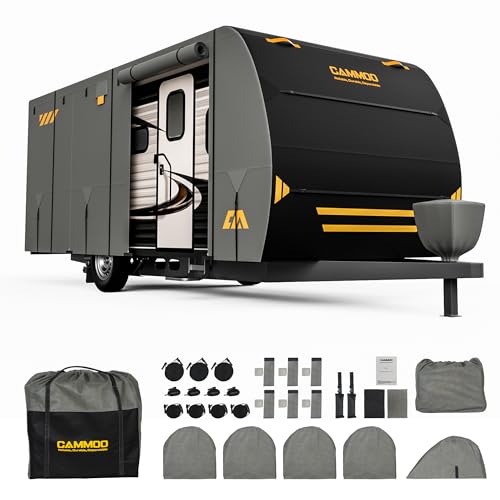
A travel trailer is a towable RV that provides a comfortable, self-contained living space for camping and road trips. Unlike motorhomes, travel trailers are hitched to a vehicle (SUV, truck, or even some cars) and offer the flexibility to set up camp while your tow vehicle remains free for exploring. They range from lightweight teardrop models perfect for solo adventurers to spacious family units with slide-outs, full kitchens, and private bedrooms.
Whether you're a weekend warrior or planning a cross-country journey, a travel trailer offers the perfect balance of comfort, convenience, and affordability compared to larger RVs. In this guide, we'll break down the types of travel trailers, what to look for when buying, and how to prepare for your first trip.
Types of Travel Trailers
Travel trailers come in a variety of shapes, sizes, and configurations. Understanding the differences will help you choose the best fit for your camping style and towing capacity.
1. Teardrop & Small Trailers
Lightweight and aerodynamic, teardrop trailers are ideal for solo travelers or couples. They typically include a sleeping area and a small outdoor kitchen. Their compact size makes them easy to tow with smaller vehicles and perfect for camping spots with limited space.
2. Conventional / Full-Size Travel Trailers
These are the most common travel trailers, ranging from 16 to 30+ feet. They offer full amenities including a bathroom, kitchen, dining area, and sleeping quarters. Many feature slide-out sections to expand living space. Great for family camping and extended road trips.
3. Lightweight and Ultralight Trailers
Designed to be towed by mid-size SUVs and crossovers, these trailers prioritize weight reduction without sacrificing comfort. They often use aluminum frames and composite materials. Check your vehicle's towing capacity before buying – many lightweight models weigh under 3,500 pounds.
4. Toy Haulers
If you love outdoor adventures like motorcycle camping, ATV riding, or cycling, a toy hauler is a game-changer. These trailers feature a rear ramp that doubles as a patio and a garage area that converts into sleeping or living space when not hauling gear.
5. Airstream and Retro Trailers
Known for their iconic aluminum design, Airstream trailers are durable, lightweight, and retain their value exceptionally well. Retro-style trailers offer a vintage aesthetic with modern amenities, perfect for glamping enthusiasts.
What to Look For When Buying a Travel Trailer
Choosing the right travel trailer requires careful consideration of several key factors. Here's what matters most:
Size and Floor Plan
Consider how many people will regularly use the trailer. A couple might be comfortable in a 20-foot model, while a family of four or more will need a 25–30 foot trailer with bunk beds or a separate bedroom. Look for floor plans that maximize your living space and storage.
Towing Capacity
Your tow vehicle's capacity is the #1 limitation. Always check the gross vehicle weight rating (GVWR) of the trailer and ensure your vehicle can safely tow it. We recommend keeping the loaded trailer weight under 80% of your vehicle's maximum tow rating for safety and performance.
Construction and Materials
Look for trailers with aluminum frames (lighter and rust-resistant) and fiberglass or aluminum exteriors. Azdel composite walls are more moisture-resistant than traditional wood, reducing the risk of rot and extending the life of your trailer.
Features and Amenities
- Kitchen: Stove, oven, microwave, refrigerator, and sink. Some models offer outdoor kitchens – a huge plus for warm-weather camping.
- Bathroom: Full bathroom with shower, toilet, and vanity is standard in most mid-size and larger trailers.
- Heating & Cooling: A reliable furnace and roof-mounted A/C unit are essential for year-round camping.
- Electrical System: 12V and 110V outlets, converter, and deep-cycle batteries for off-grid camping. Consider portable power stations for extra backup.
- Slide-Outs: These expand interior space but add weight and complexity. Ensure the slide mechanism is robust and easy to operate.
Essential Tips for Travel Trailer Camping
Once you've chosen your trailer, proper preparation ensures a smooth and enjoyable camping experience. Here are some expert tips to get you started:
Setting Up Camp
When arriving at your campsite, level the trailer using blocks or a leveling system. Chock the wheels securely before unhitching. Connect to shore power, water, and sewer as needed. A surge protector is highly recommended to protect your electrical system from fluctuations.
Weight Distribution and Towing Safety
A weight distribution hitch is essential for larger travel trailers to reduce sway and improve handling. Always check tire pressure, brake functionality, and that all lights are working before hitting the road. Practice backing up in an empty parking lot – it's one of the trickiest skills for new owners.
Packing and Organization
Pack heavy items low and centered to maintain stability. Use storage bins, hanging organizers, and vacuum-sealed bags to maximize space. Don't forget essential camping essentials like a first aid kit, fire extinguisher, and tool kit for minor repairs.
Boondocking and Off-Grid Camping
If you plan to camp without hookups, invest in solar panels, a generator, or a large-capacity battery bank. Conserve water by using paper plates and quick showers. Know the BLM camping rules and national park rules for dispersed camping areas.
Maintenance and Winterization
Regular maintenance extends the life of your travel trailer. Flush the water heater, inspect seals and caulking, and lubricate moving parts. In colder climates, winterizing your plumbing system is crucial to prevent freeze damage. For winter trips, check out our winter camping guide for cold-weather tips.
Travel Trailer vs. Other RV Types
How does a travel trailer compare to other popular RV options? Here's a quick breakdown:
- vs. Motorhome: Travel trailers are more affordable and allow you to detach your vehicle for local trips. Motorhomes offer easier access to the living area while driving but are more expensive and require separate towing for a vehicle.
- vs. Pop-Up Camper: Pop-ups are lighter and cheaper but offer less insulation and protection from the elements. Travel trailers provide a more solid, year-round camping experience.
- vs. Fifth Wheel: Fifth wheels are larger and heavier, requiring a pickup truck with a special hitch. They offer more living space and storage, but travel trailers are more maneuverable and can be towed by a wider range of vehicles.
- vs. Slide-in Truck Campers: Truck campers are compact and ideal for off-road travel, but they lack the standing room and amenities of a travel trailer. If you value comfort and space, a travel trailer is the better choice.
Best Destinations for Travel Trailer Camping
One of the greatest benefits of a travel trailer is the freedom to explore a wide variety of landscapes. Here are some top-rated destinations that are RV-friendly:
- Yellowstone National Park: America's first national park offers numerous campgrounds with hookups and stunning geysers, wildlife, and hiking trails.
- Rocky Mountain National Park: Scenic mountain views and abundant wildlife make this a must-visit for nature lovers.
- Zion National Park: Red rock canyons and the famous Narrows hike are just a few of the attractions at this Utah gem.
- Colorado: From the Rocky Mountains to the Great Sand Dunes, Colorado has endless opportunities for RV camping.
- Texas State Parks: Big Bend, Palo Duro Canyon, and many more offer beautiful landscapes and excellent facilities for travel trailers.
- Camping Spots: Explore our curated list of the best camping spots across the US, many of which are travel-trailer friendly.
Always check campground size restrictions and book in advance, especially during peak seasons. Many parks limit trailer length to 30–40 feet, so know your trailer's dimensions before you go.
How Much Does a Travel Trailer Cost?
Travel trailer prices vary widely based on size, features, and manufacturer. Here are typical price ranges to help you budget:
- Small / Teardrop Trailers: $8,000–$20,000 – Great for solo travelers or couples on a budget.
- Lightweight Trailers (under 25 ft): $15,000–$30,000 – Popular choice for first-time buyers.
- Family-Size Trailers (25–32 ft): $25,000–$55,000 – Includes slide-outs, bunk beds, and full amenities.
- Luxury / Airstream Trailers: $45,000–$100,000+ – Premium design, durability, and resale value.
- Used Travel Trailers: $5,000–$25,000 – A cost-effective option for budget-conscious adventurers.
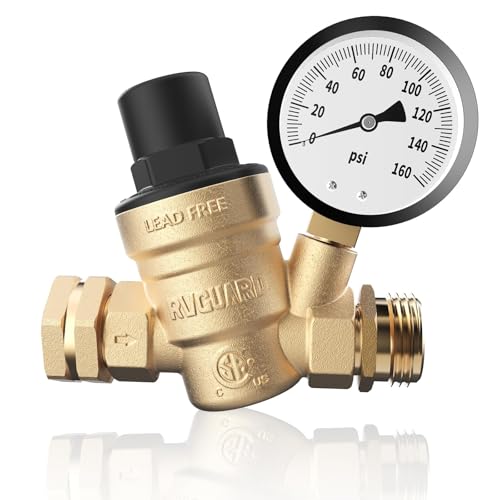
Additionally, budget for essential accessories: a weight distribution hitch, wheel chocks, leveling blocks, a sewer hose kit, and a water pressure regulator. These can add $500–$1,500 to your initial investment.
Ready to hit the road? A travel trailer is your ticket to freedom, comfort, and unforgettable adventures. Use this guide to find the perfect match, and don't forget to check out our camping checklist to ensure you have all the essentials for your first trip.