Tent That One Person Can Set Up: Solo Camping Made Easy
Discover the freedom of solo camping with tents designed for effortless one-person setup. No more struggling with poles or needing a second pair of hands.
Why solo setup matters: Whether you're a solo adventurer, arriving at camp after dark, or simply want independence, a tent that one person can set up transforms your camping experience. Modern engineering has made it possible to pitch a reliable shelter in minutes—without frustration.
What Makes a Tent Easy for One Person to Set Up?
Not all tents are created equal when it comes to solo pitching. The best one-person setup tents share several key design features that eliminate the need for assistance. Understanding these characteristics helps you identify the right shelter for your needs.
1. Instant and Pop-Up Mechanisms
The fastest tents to set up alone are instant tents and pop-up models. These designs use pre-attached poles or flexible fiberglass frames that snap into place with minimal effort. You simply unfold, extend, and secure. Some models can be ready in under 60 seconds. If speed is your priority, an easiest 1 person tent to set up will typically feature this technology.
2. Color-Coded and Unified Poles
Tents with color-coded pole sections and unified hub systems reduce confusion. Instead of guessing which pole goes where, you match colors or follow a single continuous pole structure. This is especially helpful when setting up in low light or adverse weather. Many modern backpacking tents use this approach to simplify the process.
3. Lightweight and Compact Design
Solo campers often prioritize portability. A lightweight tent is not only easier to carry but also easier to maneuver during setup. Look for tents under 5 pounds that pack small. Materials like aluminum poles and silicone-coated nylon keep weight down without sacrificing durability. For those who hike to their campsite, a good tent and sleeping bag for one person should be light enough to carry comfortably.
4. Simple Pole Sleeves or Clips
Pole sleeves require threading, which can be tricky alone. Clips, on the other hand, allow you to attach the tent body to the poles quickly. Many one-person tents use clips exclusively, making setup faster and more intuitive. Some hybrid designs use a combination, but clips generally win for solo ease.
5. Freestanding or Semi-Freestanding Structure
Freestanding tents can stand on their own once the poles are in place, without needing stakes immediately. This is a huge advantage for solo campers who need to reposition the tent or set up on hard surfaces. Semi-freestanding tents require a few stakes but are still manageable alone. If you often camp on platforms or rocky ground, a freestanding design is worth prioritizing.
Types of Solo-Friendly Tents
Different camping styles call for different tents. Here are the main categories of tents that one person can set up, along with their best use cases.
Instant Tents
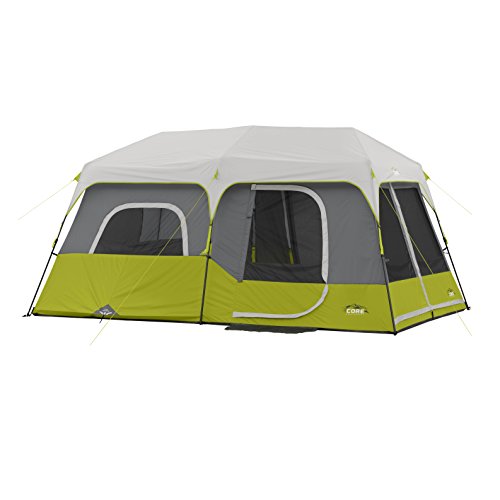
Instant tents are the champions of quick setup. They often come with pre-assembled poles and a straightforward unfolding process. Many can be pitched in under two minutes. They are ideal for car campers and those who want maximum convenience. However, they tend to be heavier and bulkier than backpacking tents. For solo car camping, an instant tent is a fantastic choice.
Pop-Up Tents
Pop-up tents take convenience a step further. They spring into shape when removed from their carry bag. Setting up is nearly instantaneous, though packing them away can take a bit of practice. These are great for festivals, beach trips, and quick overnighters. If you want the absolute easiest setup, a pop-up tent is hard to beat. Check out the easiest tent to set up and take down for models that excel in both directions.
Backpacking Tents
Backpacking tents prioritize low weight and packability. They usually require assembly but are designed for solo pitching with clips, color-coded poles, and sometimes a single-pole design. These tents are perfect for hikers and backpackers who need a reliable shelter that won't weigh them down. Many solo backpacking tents are freestanding and can be set up without stakes in a pinch.
Dome Tents
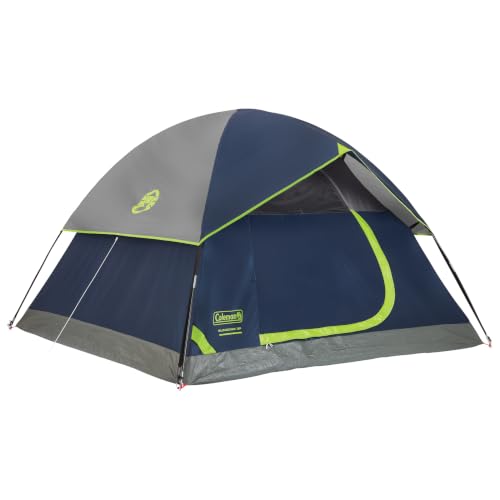
Dome tents are a classic choice for solo campers. Their simple two-pole (or three-pole) structure is easy to assemble alone. They offer good headroom and stability in wind. A one-person dome tent is a versatile option for various conditions. Some dome tents are also freestanding, adding to their solo-friendliness.
Key Features to Look For in a One-Person Setup Tent
When shopping for a tent you can pitch alone, focus on these features to ensure a smooth experience.
- Single-pole or simple pole structure: Fewer poles mean less complexity. A tent with one or two main poles is easier to manage solo.
- Pre-attached poles: Found in instant tents, these eliminate the need to thread poles through sleeves.
- Color-coded poles and fly: Speeds up identification and correct assembly.
- Clip attachments: Faster and easier than sleeves, especially when alone.
- Freestanding capability: Allows you to set up without stakes first, then secure as needed.
- Lightweight materials: Aluminum poles and lightweight fabrics reduce fatigue during setup.
- Simple rainfly attachment: Look for a fly that clips or buckles on quickly, rather than requiring intricate threading.
- Compact packed size: Easier to handle and store, especially if you're setting up in tight spaces.
If you're new to solo camping, reading first time camping tips can help you prepare beyond just the tent.
Setup Tips for Solo Campers
Even with an easy tent, a few strategies can make solo setup even smoother.
- Practice at home: Set up your tent in your backyard or living room before your trip. Familiarity speeds up the process and reduces stress.
- Choose a flat, clear site: Remove rocks, branches, and debris before laying out your tent. A clean site prevents damage and makes staking easier.
- Orient the tent with the door away from the wind: This prevents wind from blowing rain inside when you enter or exit.
- Use a groundsheet or footprint: Protects the tent floor and can be laid out first to define your space.
- Stake corners first in wind: If it's windy, secure one corner before fully assembling to prevent the tent from blowing away.
- Keep the rainfly accessible: If rain is expected, have the fly ready to deploy immediately after the tent body is up.
For more insights on camping in wet conditions, see camping in the rain in a tent.
Solo Tent Maintenance and Care
To ensure your tent remains easy to set up trip after trip, proper care is essential.
- Clean and dry before storage: Moisture leads to mildew and degraded materials. Always dry your tent thoroughly before packing it away.
- Store loosely: Avoid compressing your tent tightly for long periods. Store it in a cool, dry place.
- Check poles and stakes regularly: Replace damaged shock cords or bent stakes before they fail in the field.
- Lubricate zippers: A little silicone spray or wax keeps zippers running smoothly.
- Repair seams as needed: Reapply seam sealer periodically to maintain waterproofness.
Well-maintained tents last longer and remain easy to pitch. If you're wondering about longevity, read how long do tents last.
Solo Camping Safety Considerations
Camping alone comes with unique safety considerations. A tent that one person can set up is just the beginning. Here are a few safety tips for solo campers.
- Tell someone your plans: Share your itinerary, campsite location, and expected return time with a trusted person.
- Carry a communication device: A satellite messenger or personal locator beacon is invaluable in remote areas. Learn more about emergency communication.
- Practice Leave No Trace: Minimize your impact by following Leave No Trace principles.
- Be bear-aware: Store food properly and follow local wildlife guidelines. See food storage rules.
- Check weather forecasts: Avoid camping in severe weather if possible. Use weather apps for camping to stay informed.
For a comprehensive guide on solo camping safety, visit is camping alone safe.
Top Use Cases for Solo Setup Tents
Solo-friendly tents are not just for solo campers. They are useful in many scenarios.
- Late arrivals: Setting up in the dark is much easier with a simple tent.
- Quick overnighters: When you want to minimize effort and maximize relaxation.
- Backpacking trips: Lightweight and easy to pitch after a long hike.
- Festival camping: Pop-up tents are popular for their speed.
- Emergency preparedness: A tent you can pitch alone is a valuable asset in emergencies.
- Scouting and youth groups: Teaching self-reliance starts with easy setup.
How to Choose the Right Size for Solo Camping
One-person tents come in various sizes. Consider these factors.
- 1-person: Minimal space, ideal for backpackers who prioritize weight.
- 2-person: Offers extra room for gear or a bit more comfort. Still easy to set up alone.
- 3-person: Palatial for one person, good if you want space to move around or store gear inside.
If you're unsure, how to choose tent size provides a detailed guide. For solo campers, a 2-person tent is often the sweet spot between weight and livability.
Frequently Asked Questions
Can one person set up a 2-person tent alone?
Absolutely. Many 2-person tents are designed for solo setup and offer more space without much extra weight. Look for clip attachments and color-coded poles.
What is the easiest type of tent to set up alone?
Pop-up tents and instant tents are generally the easiest. They require minimal assembly and can be pitched in seconds to a couple of minutes.
Are solo tents heavy?
Not necessarily. Backpacking solo tents can weigh as little as 2-3 pounds. Car camping solo tents may be heavier but offer more space and features.
Do I need a freestanding tent for solo camping?
It's not required, but freestanding tents are more convenient because they don't rely on stakes to hold their shape. They can be set up on hard surfaces and repositioned easily.
How can I practice setting up my tent alone?
Set it up in your backyard or a local park a few times before your trip. Time yourself and try it in different conditions (e.g., low light) to build confidence.
Conclusion
A tent that one person can set up opens the door to spontaneous solo adventures and hassle-free camping. By focusing on key features like instant mechanisms, color-coded poles, and lightweight design, you can find a shelter that empowers your independence. Remember to practice setup, maintain your gear, and prioritize safety. With the right tent, solo camping becomes not just possible, but truly enjoyable.
Explore our recommended products below to find your perfect solo tent. For more gear guides, check out things to buy for a new camper and camping gear.