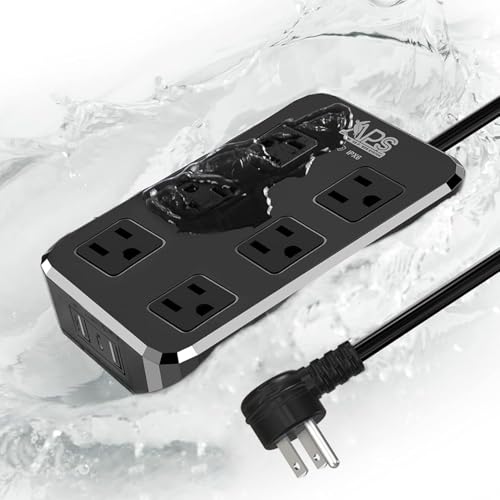
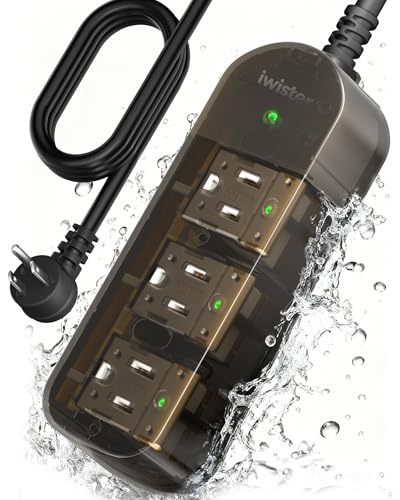
Surge Protector Power Strip for Camping
Keep your electronics safe from power surges, voltage spikes, and unreliable campground hookups. Whether you're in an RV, tent, or cabin, the right surge protector power strip ensures your devices stay powered and protected.
Shop Top Surge Protectors →A surge protector power strip is an essential piece of camping gear that many overlook. Campground electrical pedestals can deliver unstable power—voltage sags, spikes, and even reverse polarity. Without protection, you risk damaging your camping fridge, camping technology, chargers, and other valuable electronics. This guide covers everything you need to know to choose the right surge protector for your outdoor adventures.
Why You Need a Surge Protector at Camp
⚡ Unstable Power Sources
Campground power pedestals are often old, overloaded, or poorly maintained. Voltage fluctuations can occur when multiple RVs draw power simultaneously, damaging sensitive electronics.
🔌 Protect Expensive Gear
From portable power banks to laptops, CPAP machines, and electric coolers—these devices are costly to replace. A quality surge protector is a small investment for peace of mind.
⛈️ Lightning & Weather Surges
Even if you're not plugged in during a storm, nearby lightning strikes can induce surges through the power grid. A surge protector with a high joule rating offers an extra layer of defense.
Key Features to Look For
- ✔ Joule Rating – Higher is better (1,000+ joules for camping).
- ✔ Response Time – Look for ≤ 1 nanosecond (fast clamping).
- ✔ Outlets & Spacing – At least 6–8 outlets, with room for bulky adapters.
- ✔ Weatherproof / Outdoor Rating – IP65 or similar if used outside.
- ✔ USB Ports – Convenient for charging phones and tablets directly.
- ✔ LED Indicators – Ground fault, protection status, and surge active.
- ✔ Long Cord – 6–10 feet gives flexibility in setup.
- ✔ EMI/RFI Filtering – Reduces electrical noise for cleaner power.
Top Surge Protector Types Compared
| Type | Best For | Joules | Outlets | Portability |
|---|---|---|---|---|
| Basic Strip | Tent / small setups | 600–1,000 J | 4–6 | ⭐⭐⭐⭐⭐ |
| RV / Heavy-Duty | RVs, trailers, large power draws | 2,000+ J | 6–10 | ⭐⭐⭐ |
| Outdoor / Waterproof | Exposed campsites, wet conditions | 1,500+ J | 4–6 | ⭐⭐⭐⭐ |
| USB + Surge | Device charging + protection | 800–1,200 J | 4–6 + USB | ⭐⭐⭐⭐⭐ |
Safety & Installation Tips
🔹 Always plug the surge protector directly into the pedestal – Avoid daisy-chaining multiple strips, which can overload the circuit and reduce protection.
🔹 Check the LED status lights – Many surge protectors have an indicator that shows if the ground is wired correctly. If the light is off, there may be a wiring issue at the pedestal.
🔹 Use a weatherproof cover – If your power strip must stay outside, protect it from rain and moisture with a weatherproof cover or enclosure.
🔹 Match the amperage – Ensure your surge protector can handle the amperage of your RV or devices (e.g., 30A or 50A for larger RVs).
Advanced Considerations
For serious campers and camping RV enthusiasts, consider a portable power station with surge protection built in. These units combine battery storage, surge protection, and multiple outputs in one device. If you frequently camp at remote sites with unstable power, a camping generator or solar chargers camping system paired with a high-joule surge protector is a robust solution. For long-term stays, a portable power station with pure sine wave output provides the cleanest power for sensitive electronics.
Remember that surge protectors have a lifespan—they absorb surges over time and lose effectiveness. If your unit has taken a major hit (e.g., lightning strike), replace it immediately. For more electrical safety tips, check our camping safety section and learn about campfire safety rules and emergency preparedness camping.
Common Mistakes to Avoid
- ✕ Using an indoor-only strip outside – Moisture can cause shorts and fire hazards.
- ✕ Ignoring the joule rating – Low joule ratings (under 600 J) offer minimal protection for high-value gear.
- ✕ Overloading the strip – Plugging in too many high-wattage appliances can trip breakers or melt the strip.
- ✕ Forgetting to test ground fault protection – Always test the GFCI (if available) at the start of your trip.
Ready to Protect Your Gear?
Browse the top-rated surge protector power strips below. Each product is selected for its durability, joule rating, and camping-friendly features.
See the Best Surge Protectors