Steelhead Fishing Tips: Complete Guide for Anglers
Master the art of steelhead fishing with expert techniques, gear recommendations, and seasonal strategies. Whether you're a beginner or seasoned angler, this guide will help you catch more steelhead.
SHOP RECOMMENDED GEARSteelhead fishing is one of the most rewarding freshwater experiences. These powerful, acrobatic fish are known for their incredible fights and stunning beauty. This comprehensive guide covers everything you need to know—from understanding steelhead behavior and selecting the right gear to mastering proven techniques and finding the best fishing spots.
Understanding Steelhead: Behavior & Habitat
What Makes Steelhead Unique?
Steelhead are ocean-going rainbow trout that return to freshwater rivers to spawn. Unlike Pacific salmon, steelhead can survive spawning and return to the ocean multiple times. This makes them larger, more powerful, and more challenging to catch than resident rainbow trout. Understanding their life cycle and behavior is the first step to success.
Where to Find Steelhead
Steelhead inhabit rivers and streams along the Pacific coast of North America, from California to Alaska. They also exist in the Great Lakes region, where they are known as "steelhead" or "lake-run rainbows." Look for deep pools, runs, and riffles where they rest and feed. When planning your trip, consider exploring popular camping destinations that offer excellent steelhead waters. For winter fishing, check out winter camping tips to stay comfortable during cold-weather excursions.
Seasonal Steelhead Patterns
- Winter Steelhead (December–March): These fish are fresh from the ocean, full of energy, and aggressive. They prefer colder water temperatures and are often found in deeper runs.
- Spring Steelhead (April–June): As water warms, steelhead become more active and spread throughout the river system. This is prime time for fly fishing.
- Summer Steelhead (July–October): Summer runs are known for their surface feeding and acrobatic jumps. They prefer cooler headwaters and shaded areas.
- Fall Steelhead (October–December): This is the start of the winter run, with fish moving into rivers as rain raises water levels.
Essential Steelhead Fishing Gear
Steelhead Rods
Choose a rod between 9 and 11 feet, rated for 8–12 lb test line. Longer rods help with line control in current and casting distance. Look for moderate-fast action to handle powerful runs.
$200–$450Steelhead Reels
A high-quality spinning or baitcasting reel with a smooth drag system is essential. Look for a reel with a large arbor spool to hold 150+ yards of backing.
$150–$350Steelhead Lines
Use 8–12 lb monofilament or fluorocarbon for most conditions. For fly fishing, a floating or sink-tip line is recommended. Consider a navigation app to locate prime fishing areas.
$30–$80Steelhead Lures & Bait
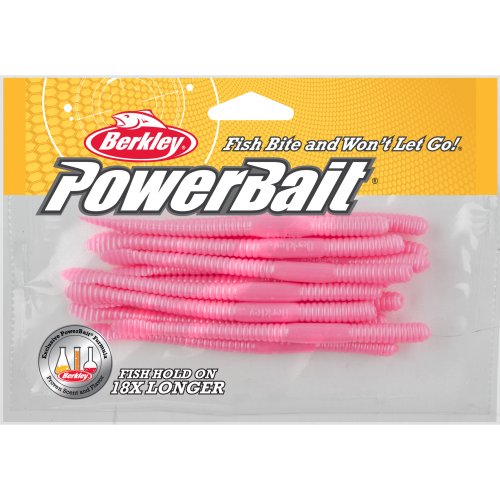
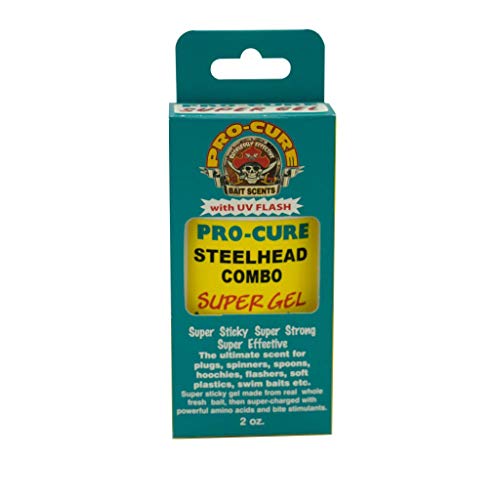
Popular choices include spoons, spinners, jigs, and bait like roe or sand shrimp. Fly anglers should use large streamers and egg patterns. A tackle organizer can help you stay organized.
$10–$50Waders & Boots
Neoprene or breathable waders are essential for wading in cold rivers. Felt-soled boots provide excellent traction on slippery rocks, but check local regulations as some areas restrict felt soles.
$200–$500Fishing Vest & Accessories
A fishing vest keeps gear within reach, including forceps, nippers, and extra leader material. For longer expeditions, consider a camping backpack to carry supplies.
$50–$150Proven Steelhead Fishing Techniques
Drift Fishing
Drift fishing involves presenting your bait or lure naturally downstream. Use a slip sinker rig and allow your bait to bounce along the bottom. This technique is highly effective for winter steelhead holding in deep runs. Always carry a tire repair kit if you're driving on rough logging roads to access remote fishing spots.
Swinging Flies (Spey Fishing)
Spey casting and swinging flies is a classic steelhead technique. Cast across and slightly downstream, then let the fly swing across the current. This mimics a swimming baitfish and triggers aggressive strikes. This method works best in spring and fall.
Jig Fishing
Jigging is a versatile technique that works year-round. Use a 1/4 to 1/2 ounce jig tipped with a soft plastic grub or bait. Cast upstream and retrieve with a hopping motion. Watch your line for subtle bites.
Float Fishing
Float fishing uses a bobber to suspend bait at a specific depth. This is excellent for presenting roe or shrimp to steelhead holding in slower water. Use a sliding float for deeper runs.
Safety & Preparation Tips
Stay Safe While Wading
Always check water conditions and weather forecasts before entering the river. Use a wading staff for stability, and never wade alone. Wear a life jacket in fast-moving water. For emergency situations, consider carrying a emergency communication device.
Weather Preparedness
Steelhead fishing often happens in cold, wet conditions. Dress in layers, bring waterproof gear, and pack extra food and water. Check weather apps before heading out. If you're winter camping during your fishing trip, ensure you have proper cold-weather gear.
Top Steelhead Fishing Destinations
Pacific Northwest
The Columbia River, Deschutes River, and coastal streams in Oregon and Washington are world-renowned for steelhead. These rivers offer a mix of winter and summer runs. When camping in these areas, consider Oregon coast camping for easy access to prime fishing spots.
California's North Coast
Rivers like the Klamath, Trinity, and Eel River produce excellent winter steelhead fishing. California's scenic coastline offers great beach camping options for anglers.
Great Lakes Region
Michigan, Ohio, and New York offer exceptional steelhead fishing in tributaries of Lake Michigan, Lake Erie, and Lake Ontario. Many of these areas have state park camping facilities nearby.
British Columbia, Canada
The rivers of BC, including the Skeena and Thompson, host massive steelhead. These remote locations often require RV camping or extended trips.
Conservation & Ethical Fishing
Practice Catch and Release
Steelhead populations face numerous pressures. Practice catch and release to ensure sustainable fisheries. Use barbless hooks, handle fish gently, and keep them in the water as much as possible. Learn about Leave No Trace principles to minimize your environmental impact.
Follow Local Regulations
Always check local fishing regulations before heading out. This includes catch limits, gear restrictions, and seasonal closures. Familiarize yourself with national park rules if fishing in protected areas.
Steelhead fishing is an unforgettable experience. With the right knowledge, gear, and preparation, you can enjoy some of the most exciting fishing of your life. Start planning your next trip and explore our recommended gear below to get equipped for success.