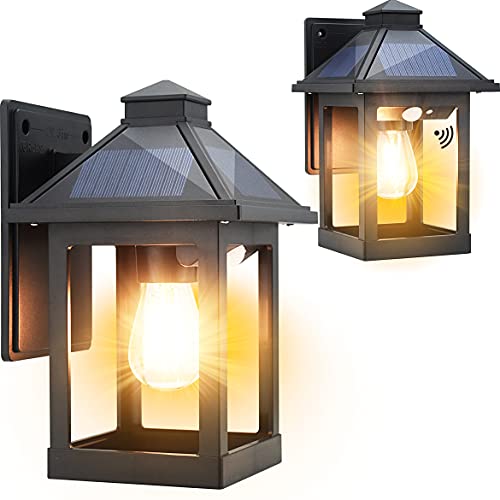
Solar Powered Outdoor Lanterns with Automatic Light Sensor
Discover how solar lanterns with built-in light sensors work, what features matter most, and how to choose the right model for camping, emergencies, and off-grid adventures.
Explore Top PicksWhy solar lanterns with automatic light sensors are a game-changer: Instead of fumbling for a switch in the dark or worrying about battery drain, these lanterns detect ambient light levels and turn themselves on at dusk and off at dawn. For campers, this means hands-free operation, longer battery life, and the peace of mind that comes from knowing your campsite will always be illuminated when you need it most. Whether you're setting up camp after sunset or dealing with a power outage at home, an automatic light sensor transforms a simple lantern into a genuinely smart outdoor tool.
What Is a Solar Powered Outdoor Lantern with an Automatic Light Sensor?
A solar powered outdoor lantern with an automatic light sensor is a portable lighting device that combines three core technologies: a photovoltaic panel that converts sunlight into electricity, a rechargeable battery that stores that energy, and a photocell (light sensor) that detects changes in ambient brightness. When the sensor detects that natural light has dropped below a certain threshold — typically at dusk — it automatically activates the LED bulbs. When daylight returns, it switches off and resumes charging.
This self-regulating behavior is what separates automatic sensor lanterns from manual models. You simply place the lantern in a sunny spot during the day and let it do the rest. It's an ideal solution for anyone who wants reliable lighting without the hassle of remembering to switch devices on or off — a common oversight that can leave you in the dark or drain a battery unnecessarily.
How Automatic Light Sensor Technology Works
Understanding the mechanics helps you evaluate which models are worth your attention. Here's the step-by-step process:
Solar Charging
During daylight hours, the integrated solar panel absorbs sunlight and converts it into electrical energy, which is stored in the lantern's rechargeable battery.
Light Detection
A photocell sensor continuously monitors ambient light levels. When brightness falls below a preset threshold (usually around dusk), it triggers the control circuit.
Automatic Activation
The lantern automatically switches on its LEDs. Most models offer multiple brightness modes or motion-sensing options that activate when movement is detected.
Dawn Shutoff & Recharge
When sunlight returns, the sensor detects the increase in brightness, turns the lantern off, and the solar panel begins charging again for the next cycle.
Key Features to Look For
Not all solar lanterns with light sensors are created equal. The following features have the biggest impact on real-world performance and long-term satisfaction:
Battery Capacity & Type
Lithium-ion and LiFePO4 batteries offer the best balance of capacity, weight, and cycle life. Higher-capacity batteries keep the lantern running through cloudy days and longer nights.
Solar Panel Efficiency
Monocrystalline panels are generally more efficient than polycrystalline ones, meaning faster charging even in partial shade or overcast conditions.
Light Output & Modes
Look for adjustable brightness levels — low, medium, and high — plus emergency or SOS modes. Lumen output should match your intended use, from ambient tent lighting to area illumination.
Sensor Sensitivity
A good sensor activates reliably at dusk without flickering or false triggers from passing shadows, car headlights, or campfire glow.
Weather Resistance
An IPX4 rating or higher ensures the lantern survives rain, splashes, and humid conditions. IP65 and above are ideal for extended outdoor exposure.
Build Quality & Portability
Collapsible designs, sturdy handles, and durable housings make a difference when you're packing gear. Consider weight if you're backpacking.
Understanding Quality Tiers: Entry-Level to Premium
When comparing solar lanterns, it helps to think in terms of build quality and feature depth rather than specific figures. Here's how the tiers generally break down:
| Tier | Typical Characteristics | Best For |
|---|---|---|
| Entry-Level | Basic sensor activation, single brightness mode, plastic housing, moderate battery capacity, IPX4 rating | Casual backyard use, occasional camping, emergency backup |
| Mid-Range | Multiple brightness modes, improved sensor accuracy, better battery life, sturdy construction, IPX5–IPX6 rating, collapsible designs | Regular campers, weekend trips, power outages, RV use |
| Premium | High-efficiency monocrystalline panels, LiFePO4 batteries, motion-sensing modes, USB-C charging, IPX7 rating, durable metal or reinforced housing | Frequent outdoor enthusiasts, off-grid living, extreme weather conditions |
| Luxury / Top-Tier | Advanced sensor algorithms, multi-directional lighting, integrated power bank functionality, app connectivity, military-grade durability | Professional expeditions, long-term off-grid basecamps, demanding users |
Mid-range models typically offer the best balance of performance and durability for most campers. Entry-level options work well for occasional use, while premium and luxury tiers are worth considering if you rely on your lantern regularly or face harsh conditions.
Practical Use Cases for Solar Lanterns with Light Sensors
These lanterns shine in a wide range of scenarios. Here are some of the most common — and a few you might not have considered:
Basecamp & Tent Lighting
Hang a lantern inside your tent or under your canopy. The automatic sensor turns it on as the sun sets, giving you hands-free illumination while you cook, read, or organize gear. Pair it with a 10 ft x 10 ft slant leg pop-up canopy for a covered cooking and dining area that stays lit after dark.
Emergency & Power Outages
When the grid goes down, a solar lantern with a light sensor provides reliable illumination without the need for matches, fuel, or manual intervention. Place it near a window during the day and let it charge.
Path & Perimeter Lighting
Stake several sensor lanterns along a trail or around your campsite perimeter. They'll activate at dusk and provide consistent wayfinding light throughout the night. Combine with campfire safety rules for a safe, well-lit camp.
Off-Grid & Van Life
For van dwellers and off-grid enthusiasts, solar lanterns reduce dependence on vehicle power systems. They're lightweight, packable, and require zero fuel.
Buying Guide: How to Choose the Right Model
Use the following checklist to narrow down your options and avoid common mistakes:
Maintenance Tips for Long-Lasting Performance
Keep Your Solar Lantern in Top Shape
- Clean the solar panel regularly. Dust, pollen, and bird droppings reduce charging efficiency. Wipe the panel with a soft, damp cloth every few days during extended trips.
- Store in a cool, dry place. Extreme heat degrades battery performance over time. Avoid leaving the lantern in a hot car or direct sunlight when not in use.
- Charge fully before storage. If you're putting the lantern away for the season, charge it to about 50–80% and recharge every few months to maintain battery health.
- Test the sensor periodically. Cover the sensor with your hand to simulate darkness and confirm the lantern activates. If it doesn't, the sensor may need cleaning or the battery may need replacement.
- Check seals and gaskets. Over time, rubber seals can dry out or crack. A quick inspection before each trip helps prevent water damage.
Common Mistakes to Avoid
Even experienced campers make these errors. Steering clear of them will save you frustration and help your lantern last longer:
Frequently Asked Questions
With proper care, a quality solar lantern can last several years. The battery is usually the first component to degrade, typically after 500–1,000 charge cycles. Entry-level models may need battery replacement sooner, while premium models with LiFePO4 batteries often last significantly longer. The solar panel itself can last a decade or more with regular cleaning.
Yes, in some cases. A bright campfire or vehicle headlights can trick the sensor into thinking it's daytime, preventing the lantern from activating. Most mid-range and premium models have improved sensor algorithms that reduce false triggers, but it's always worth testing your lantern in realistic conditions. If this is a concern, look for models with adjustable sensitivity or motion-sensing modes.
Direct sunlight is ideal, but modern monocrystalline panels can still charge in partial shade or overcast conditions — just at a slower rate. If you're camping in a shaded area, consider a model with USB-C charging as a backup, or place the lantern in a sunnier spot during the day. For extended cloudy periods, a camping power bank can provide supplemental charging.
They can work, but with caveats. Cold temperatures reduce battery efficiency, and shorter daylight hours mean less charging time. Look for models with cold-resistant batteries and consider bringing a USB power bank as a backup. For more cold-weather tips, see our winter camping gear guide and how to stay warm in winter.
Absolutely. Place the lantern near a sunny window during the day to charge, and it will automatically turn on at dusk for indoor use. This makes them excellent for power outages, emergency preparedness, or simply adding ambient light to a room without relying on grid electricity. They're also a great addition to your winter emergency kit.
A light sensor (photocell) detects ambient brightness and activates the lantern at dusk. A motion sensor detects movement and activates the light only when someone or something is nearby. Some premium lanterns combine both: the light sensor enables the device at night, and the motion sensor triggers full brightness when movement is detected, conserving battery between activations.
Final Thoughts: Lighting Your Adventures Automatically
Solar powered outdoor lanterns with automatic light sensors represent a practical evolution in portable lighting. They eliminate the need for manual switching, reduce battery anxiety, and provide reliable illumination exactly when you need it — at dusk, without fail. For campers, emergency preppers, and anyone who spends time off the grid, they're a worthwhile addition to your gear collection.
When choosing a model, focus on battery quality, sensor reliability, weather sealing, and the brightness modes that match your intended use. Mid-range options offer excellent value for most users, while premium models deliver extra durability and advanced features for frequent or demanding adventures. Whichever tier you choose, you'll appreciate the hands-free convenience that automatic light sensing brings to your campsite.
Before your next trip, review our camping trip packing checklist to make sure you've covered all the essentials — including lighting that works as hard as you do.