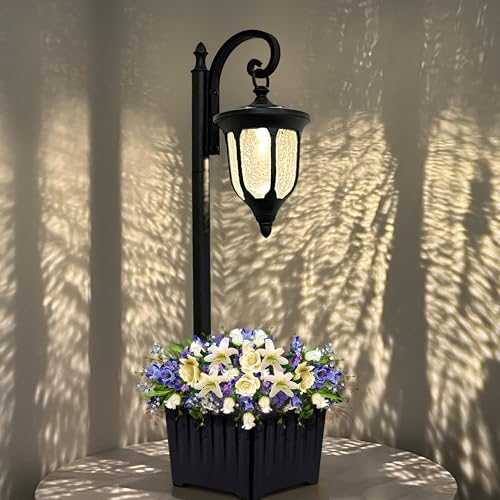
Solar Powered Lamp Post for Garden: The Ultimate Buying Guide
Illuminate your outdoor space with eco-friendly, energy-efficient solar lamp posts. Learn how to choose the right model for your garden, pathway, or yard.
VIEW TOP PICKSWhy Choose Solar Lamp Posts? Solar powered lamp posts offer a sustainable, low-maintenance lighting solution that requires no wiring and costs nothing to operate. They automatically charge during the day and illuminate your garden at night, adding beauty, safety, and ambiance to any outdoor space.
Why a Solar Powered Lamp Post Is a Smart Garden Investment
A solar powered lamp post for garden is one of the most practical and aesthetically pleasing upgrades you can make to your outdoor space. Unlike traditional wired lighting that demands trenching, electrical permits, and ongoing energy costs, solar lamp posts harness the power of the sun to deliver reliable illumination night after night. Whether you want to highlight a garden path, frame a driveway, or simply create a warm evening ambiance on your patio, a solar post light offers unmatched convenience and efficiency.
The technology behind modern solar garden lights has advanced significantly. Today's models feature high-efficiency photovoltaic panels, long-lasting lithium-ion batteries, and bright LED bulbs that rival conventional lighting. Many models also include smart features like motion sensors, dusk-to-dawn automation, and adjustable brightness settings. If you are already familiar with other solar-powered outdoor solutions like battery-operated hurricane lanterns or battery-powered decorative lanterns, you will appreciate how far solar technology has come.
For campers and outdoor enthusiasts, solar lighting is a natural extension of the off-grid mindset. Just as you would choose a solar charger for camping or a portable power station to keep devices running in the wild, a solar lamp post brings that same energy independence to your home garden.
Types of Solar Powered Lamp Posts for Gardens
Solar lamp posts come in several designs, each suited to different landscaping needs and aesthetic preferences. Understanding the differences will help you choose the right model for your property.
Stake-Mounted Solar Lights
These are the most affordable and easiest to install. They feature a ground stake that pushes directly into soil, making them ideal for garden beds, pathways, and flower borders. Entry-level models typically offer basic dusk-to-dawn operation, while mid-range versions include adjustable brightness and decorative housings.
Post-Mounted Solar Lamps
Designed to be mounted on an existing post or column, these lights offer a more permanent and elegant look. They are perfect for driveways, entrances, and patio perimeters. Mid-tier and premium models often feature die-cast aluminum or stainless steel construction for durability and weather resistance.
Pole-Style Solar Lamp Posts
These are standalone units with an integrated pole that can be anchored into the ground or mounted on a base. They provide the classic lamp post appearance and are ideal for larger gardens, walkways, and commercial landscapes. High-end models may include motion sensors and remote controls.
Wall-Mounted Solar Post Lights
These attach to walls, fences, or pillars and are perfect for illuminating entryways, garages, and patios. They are especially useful where ground space is limited. Many premium models offer dual brightness modes and smart app connectivity.
Key Features to Consider Before Buying
When shopping for a solar lamp post, focusing on the right features will ensure you get a product that performs well for years. Here are the most important factors to evaluate.
Brightness and Lumen Output
Lumen output determines how bright your lamp post will be. Entry-level solar lights typically produce 50 to 100 lumens, which is suitable for accent lighting. Mid-range models offer 150 to 300 lumens for pathway illumination, while premium and high-end models can exceed 500 lumens, providing ample light for driveways and security purposes. Consider the purpose of your lighting—ambiance, safety, or both—when selecting brightness levels.
Battery Capacity and Runtime
The battery determines how long your light stays on after sunset. Affordable models often run for 6 to 8 hours, while mid-tier and premium options can last 10 to 12 hours or more on a full charge. Lithium-ion batteries are the standard for modern solar lights due to their longevity and performance in varying temperatures. Some high-end models feature replaceable batteries, extending the product's overall lifespan.
Solar Panel Efficiency
Monocrystalline solar panels are the most efficient and perform best in low-light conditions, making them ideal for regions with frequent cloud cover. Polycrystalline panels are more affordable but slightly less efficient. Panel size also matters—larger panels charge faster and can support brighter lights for longer durations.
Material and Weather Resistance
Your solar lamp post will be exposed to rain, snow, UV rays, and temperature fluctuations. Look for models with IP65 or higher weatherproof ratings. Materials like die-cast aluminum, stainless steel, and high-quality ABS plastic offer superior durability. Powder-coated finishes resist rust and fading, ensuring your lamp post looks great for years.
Installation and Mounting Options
Consider how and where you plan to install your lamp post. Stake-mounted models are the easiest to set up, requiring no tools. Post-mounted and pole-style options may require anchoring or concrete bases for stability. Wall-mounted models need screws and anchors but offer flexible placement. Many modern solar lights include all necessary mounting hardware and clear instructions.
Smart Features and Controls
Premium solar lamp posts often include features like motion sensors, dusk-to-dawn automation, remote controls, and adjustable brightness. Motion sensors are excellent for security lighting, automatically boosting brightness when movement is detected. Some high-end models offer app connectivity, allowing you to customize schedules and brightness from your smartphone.
Installation Tips for Maximum Performance
Proper installation ensures your solar lamp post charges efficiently and operates reliably. Follow these guidelines for the best results.
- Choose a Sunny Location: Install your lamp post in an area that receives at least 6 to 8 hours of direct sunlight daily. Avoid shaded areas under trees or near tall buildings.
- Face the Panel Correctly: In the Northern Hemisphere, angle the solar panel toward the south to capture maximum sunlight. In the Southern Hemisphere, face it north.
- Keep Panels Clean: Dust, dirt, and snow can reduce charging efficiency. Wipe the panel with a soft cloth periodically to maintain optimal performance.
- Secure the Base: For pole-style and post-mounted models, ensure the base is firmly anchored. Use concrete or ground stakes depending on the model and soil type.
- Test Before Final Placement: Charge the light for a full day before permanent installation to verify functionality and brightness.
- Consider Winter Performance: In cold climates, battery performance may drop. If you plan to use your lamp post year-round, look for models with cold-weather batteries or consider storing removable batteries indoors during extreme cold.
If you are setting up a more extensive outdoor lighting system, you may also benefit from understanding how to manage power for other devices. Our guide on battery and solar panel kits can help you plan a comprehensive off-grid setup. For campers who want to extend their solar knowledge, our articles on portable power stations and camping generators provide valuable insights into portable energy solutions.
Maintenance and Longevity Tips
Solar lamp posts are designed for low maintenance, but a few simple habits will keep them performing at their best for years.
Regular Cleaning: Clean the solar panel and light housing every few months to remove dust, pollen, and bird droppings. A clean panel charges more efficiently, ensuring your light stays bright throughout the night.
Battery Replacement: Rechargeable batteries degrade over time. If you notice your light dimming or running for shorter periods, it may be time to replace the battery. Many mid-range and premium models use standard rechargeable batteries that are easy to swap out.
Seasonal Adjustments: During winter months, shorten the runtime or reduce brightness to conserve battery power. If you live in an area with heavy snow, consider bringing removable solar panels indoors or clearing snow promptly after storms.
Check Connections: Periodically inspect wiring and connections for corrosion or looseness, especially in humid or coastal environments. Tightening connections and applying dielectric grease can prevent issues.
Store During Extreme Weather: If you experience hurricanes, extreme hail, or prolonged freezing temperatures, consider storing portable solar lights indoors until conditions improve. Permanent installations should be rated for your local climate.
For campers who appreciate reliable outdoor lighting, the principles of solar maintenance are similar to caring for camping lanterns and other portable lights. Our guide on best camping gadgets includes tips for maintaining a wide range of outdoor electronics.
Solar Lamp Posts vs. Traditional Wired Lighting
Understanding the trade-offs between solar and traditional lighting will help you make an informed decision for your garden.
Common Mistakes to Avoid When Buying Solar Lamp Posts
Even experienced gardeners can make mistakes when selecting solar lighting. Avoid these common pitfalls to ensure satisfaction with your purchase.
- Ignoring Lumen Output: Many buyers focus on appearance but overlook brightness. A beautiful lamp post that produces insufficient light for its intended purpose leads to disappointment.
- Underestimating Battery Quality: Cheap batteries degrade quickly and may not hold a charge through the night. Invest in models with reputable battery brands or replaceable cells.
- Poor Placement: Installing in shaded areas or facing the wrong direction reduces charging efficiency. Take time to identify the sunniest spots in your garden.
- Overlooking Weather Ratings: A lamp post without proper IP ratings may fail after exposure to rain or snow. Always check the IP rating before purchasing.
- Buying Too Few Units: A single lamp post may not provide adequate coverage for large areas. Plan your layout and purchase enough units to achieve uniform lighting.
- Neglecting Style Consistency: Mixing different styles and finishes can make your garden look cluttered. Choose a cohesive design theme for a polished appearance.
Frequently Asked Questions About Solar Powered Lamp Posts
How long do solar powered lamp posts last?
A quality solar lamp post can last for many years. The solar panel typically has a lifespan of 10 to 20 years, while the rechargeable batteries usually need replacement every 2 to 4 years depending on usage and climate. Premium models with durable materials and replaceable batteries can provide even longer service life.
Do solar lamp posts work in cloudy weather?
Yes, solar lamp posts can still charge in cloudy conditions, but at a slower rate. On days with limited sunlight, the light may produce reduced brightness or run for fewer hours. Mid-range and premium models often have larger batteries to compensate for overcast days, ensuring reliable performance even during extended periods of cloud cover.
Where should I install a solar lamp post for best performance?
Install your solar lamp post in an area that receives direct sunlight for at least 6 to 8 hours daily. Avoid shady spots under trees or near buildings that block sunlight. The solar panel should face south if you are in the Northern Hemisphere, or north if you are in the Southern Hemisphere.
Are solar lamp posts easy to install?
Most solar lamp posts are designed for easy installation and require no electrical wiring. Many models are stake-mounted or can be placed on a flat surface. Some premium models require anchoring to a post or wall, but they still avoid the complexity of traditional wired lighting. Most products include all necessary hardware and clear instructions.
Can I use solar lamp posts year-round?
Yes, solar lamp posts are designed for year-round use in most climates. However, performance may decrease during winter months due to shorter daylight hours and reduced sunlight intensity. To maintain optimal performance, keep panels clear of snow and consider models with cold-weather batteries or removable panels for indoor charging during extreme conditions.
How do I clean and maintain my solar lamp post?
Clean the solar panel and light housing every few months with a soft, damp cloth to remove dust and debris. Check battery performance periodically and replace batteries when you notice reduced runtime. Inspect connections for corrosion, especially in humid climates, and tighten any loose screws or fittings.
Final Thoughts: Illuminate Your Garden with Solar Power
A solar powered lamp post for garden is more than just a lighting fixture—it is an investment in beauty, safety, and sustainability. With no wiring, zero operating costs, and effortless installation, solar lamp posts offer a practical solution for homeowners who want to enhance their outdoor spaces without the hassle of traditional electrical systems.
When choosing your solar lamp post, prioritize quality components, appropriate brightness for your needs, and durable materials that withstand the elements. Whether you opt for an entry-level stake light for a flower bed or a premium pole-style lamp post for your driveway, the right choice will bring years of reliable, eco-friendly illumination to your property.
For campers and outdoor enthusiasts, solar lighting is a gateway to broader energy independence. Explore our guides on camping technology, solar chargers, and best camping gadgets to discover more ways to harness the power of the sun for your outdoor adventures.
Ready to brighten your garden? Browse our recommended solar lamp posts below and take the first step toward a more beautiful, sustainable outdoor space.