Small Vented Propane Heater for Camper: The Complete Safety and Buying Guide
Stay warm and safe on your next adventure. Discover how a small vented propane heater can transform your camper into a cozy retreat, even in the coldest weather.
Explore Recommended HeatersWhy a Vented Propane Heater is a Game-Changer for Your Camper
Camping in cold weather can be magical, but a freezing camper can quickly turn an adventure into a miserable experience. While many campers rely on portable electric heaters or catalytic heaters, a small vented propane heater for camper offers a unique combination of safety, efficiency, and comfort that other heating solutions simply can't match.
Unlike unvented heaters, a vented propane heater draws fresh air from outside, burns propane to create heat, and then expels all combustion byproducts—including carbon monoxide and moisture—safely outside your camper. This means you get a warm, dry, and safe environment without the risks associated with unvented heaters. For those who camp in humid or cold climates, this is a significant advantage. If you're planning to camp in colder months, our guide on winter camping covers essential strategies for staying warm.
This comprehensive guide will walk you through everything you need to know about choosing, installing, and using a small vented propane heater for your camper. Whether you're a weekend warrior or a full-time RVer, you'll find the information you need to make an informed decision.
How Does a Vented Propane Heater Work?
Understanding the mechanics of a vented propane heater is crucial for appreciating its benefits and ensuring safe operation. Here's a step-by-step breakdown of how these systems function:
- Air Intake: The heater draws fresh air from outside the camper through a dedicated intake vent.
- Combustion: Propane is burned in a sealed combustion chamber. The combustion process generates heat.
- Heat Exchange: The heat is transferred to a heat exchanger, which warms the air inside your camper. Many models use a fan to circulate the warm air efficiently.
- Exhaust: All combustion byproducts—including carbon monoxide, carbon dioxide, and water vapor—are expelled through a separate exhaust vent to the outside.
This sealed system ensures that no harmful gases enter your living space, making it one of the safest heating options available for campers. It also prevents excess moisture buildup, which is a common problem with unvented propane heaters. This is particularly important if you're using your camper in humid conditions or during extended trips.
Key Advantage: Because a vented heater brings in fresh air and expels moisture, it keeps your camper drier and healthier than unvented alternatives, reducing the risk of condensation and mold.
Key Features to Consider When Choosing a Small Vented Propane Heater
Not all vented propane heaters are created equal. When shopping for a small vented propane heater for camper, pay attention to the following features to ensure you get the best fit for your needs:
1. BTU Output and Heating Capacity
BTU (British Thermal Units) is the standard measure of heating power. For a small camper (up to 20 feet), a heater with an output of 10,000 to 15,000 BTUs is usually sufficient. Larger campers or those in extremely cold climates may require 20,000 BTUs or more. Be sure to match the heater's capacity to your camper's size and your typical camping conditions.
2. Venting Options
Vented heaters typically come with either a horizontal or vertical vent. Horizontal vents are easier to install on a side wall, while vertical vents (often called "through-the-roof" vents) may be more efficient but require more complex installation. Consider your camper's layout and where you can safely install the vent.
3. Thermostat and Controls
A built-in thermostat allows you to set a desired temperature and forget it, maintaining a consistent level of comfort. Remote controls or programmable thermostats add convenience, especially if you want to warm up the camper before you get out of bed.
4. Safety Features
Look for heaters with safety features such as:
- Oxygen Depletion Sensor (ODS): Automatically shuts off the heater if oxygen levels drop.
- Tip-Over Switch: Turns off the heater if it's knocked over.
- Overheat Protection: Prevents the heater from overheating.
- Sealed Combustion Chamber: Ensures no exhaust gases enter your living space.
For more on general camping safety, see our guides on emergency preparedness camping and campfire safety rules.
5. Energy Efficiency
An efficient heater will use less propane to produce the same amount of heat. Look for models with high AFUE (Annual Fuel Utilization Efficiency) ratings. While vented heaters are generally less efficient than unvented models (because some heat escapes through the exhaust), they are still a wise choice for safety and comfort.
6. Size and Weight
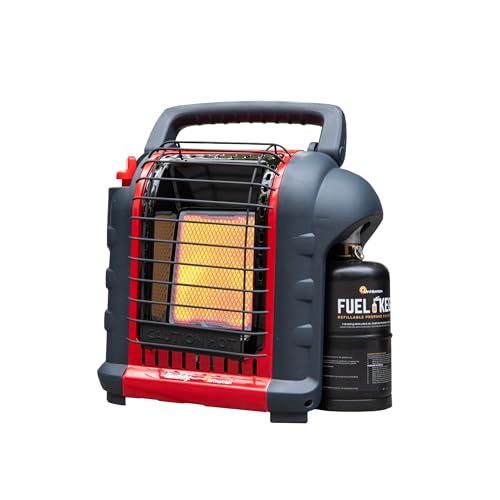
For a camper, space is at a premium. Choose a compact, lightweight heater that won't take up valuable floor space. Wall-mounted models are excellent for small campers, while portable units offer flexibility but require more storage space.
Types of Small Vented Propane Heaters for Campers
There are several types of vented propane heaters available, each with its own advantages and disadvantages. Let's explore the most common options:
Wall-Mounted Vented Heaters
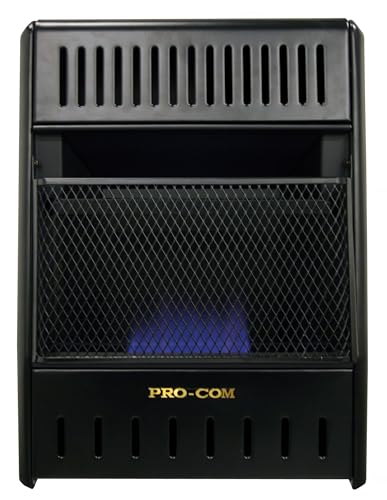
These are the most popular choice for campers. They are mounted directly to an exterior wall, with vents going through the wall to the outside. They save floor space and provide even heat distribution. Installation is relatively straightforward but may require professional help if you're not handy with tools. Wall-mounted heaters are ideal for campers with limited space and for those who want a permanent heating solution.
Floor-Standing Vented Heaters
These heaters stand on the floor and require a vent to be installed through the floor or wall. They are often more powerful than wall-mounted units and can heat larger spaces. However, they take up floor space and can be a tripping hazard in smaller campers. They are a good choice for larger RVs or for campers who need extra heating power.
Through-the-Wall Vented Heaters
Similar to wall-mounted heaters, but they are designed to be installed through a wall, often with a sleeve that houses both the intake and exhaust vents. They are efficient and relatively easy to install, but you'll need to ensure your camper's wall is suitable for the installation.
Ducted Vented Heaters
These are more complex systems that distribute heat through ducts to different areas of your camper. They are typically found in larger RVs and are more expensive and difficult to install. However, they offer the most even heating and can be zoned for different areas.
Comparison Table: Vented vs. Unvented Heaters
| Feature | Vented Propane Heater | Unvented Propane Heater |
|---|---|---|
| Safety | High (exhaust gases vented outside) | Moderate (requires ventilation) |
| Moisture Buildup | Low (expels moisture outside) | High (adds moisture to air) |
| Installation | Complex (requires venting) | Simple (plug and play) |
| Efficiency | Lower (some heat lost through exhaust) | Higher (all heat stays inside) |
| Best For | Extended use, cold climates, safety-conscious campers | Short trips, mild climates, occasional use |
Installation and Safety Guidelines
Installing a vented propane heater is a job that requires careful planning and attention to detail. While some experienced DIYers may be able to handle the installation, it's often best to hire a professional, especially if you're not comfortable working with propane lines and cutting holes in your camper.
Here are some general steps for installation:
- Choose the Location: Select a wall that is clear of obstructions and allows for proper venting. Ensure the heater is not near flammable materials.
- Install the Vent: Cut a hole through the wall for the vent. Follow the manufacturer's instructions carefully to ensure a proper seal.
- Mount the Heater: Secure the heater to the wall using the provided brackets.
- Connect the Propane Line: Connect the heater to your camper's propane system using approved hoses and fittings. Check for leaks with soapy water.
- Test the System: Turn on the heater and check for proper operation. Ensure that exhaust is being vented outside and that there are no leaks.
Safety Tips:
- Always ensure proper ventilation. Never block the intake or exhaust vents.
- Install a carbon monoxide detector in your camper. This is a non-negotiable safety measure.
- Keep the heater away from flammable materials, including bedding, curtains, and clothing.
- Do not use the heater while sleeping unless it is designed for that purpose and you have a working CO detector.
- Regularly inspect the heater and vents for leaks or blockages.
For more information on staying safe during winter camping, check out our guides on winter camping safety and preventing frostbite and hypothermia.
Important: Always follow the manufacturer's installation instructions and local building codes. If in doubt, consult a professional.
What to Look For in a Top-Quality Small Vented Propane Heater
When evaluating different models, keep these criteria in mind to identify a top-tier heater for your camper:
- Reputation: Choose brands known for reliable, safe heating products. Read reviews and ask for recommendations from other campers.
- Warranty: A solid warranty indicates the manufacturer's confidence in their product. Look for warranties of at least one year, preferably longer.
- Customer Support: Good customer support is invaluable if you have questions or issues with installation or operation.
- Ease of Use: A user-friendly interface, clear controls, and easy maintenance are signs of a well-designed product.
- Energy Efficiency: While vented heaters are less efficient than unvented, some models are better than others. Check the AFUE rating if available.
- Noise Level: Some heaters can be noisy, especially those with fans. If you're a light sleeper, look for models with quiet operation.
By prioritizing these factors, you can find a heater that will provide reliable warmth and peace of mind for years to come.
Maintenance and Care for Your Vented Propane Heater
To ensure your heater operates safely and efficiently, regular maintenance is essential. Here are some tasks to perform:
- Inspect Vents: Check the intake and exhaust vents for blockages, nests, or debris. Clean them as needed.
- Clean the Heater: Dust and debris can accumulate on the heater's exterior and inside the combustion chamber. Follow the manufacturer's cleaning instructions.
- Check for Leaks: Periodically check the propane connections for leaks using a soapy water solution.
- Test the CO Detector: Ensure your carbon monoxide detector is working correctly by testing it monthly.
- Professional Inspection: Have the heater inspected by a professional annually or before the start of the camping season.
Proper maintenance not only extends the life of your heater but also ensures it operates safely. If you're camping in winter, you might also want to read our guide on how to stay warm in winter for additional tips.
Frequently Asked Questions
Are vented propane heaters safe for campers?
Yes, when installed and used correctly, vented propane heaters are one of the safest heating options for campers. They expel all combustion byproducts outside, eliminating the risk of carbon monoxide poisoning and reducing moisture buildup. However, you should still install a carbon monoxide detector as a backup safety measure.
How much propane does a small vented heater use?
Propane consumption depends on the heater's BTU rating and how often it runs. A typical small vented heater (10,000 BTUs) might use about a quarter pound of propane per hour. However, this can vary significantly based on the outside temperature and the heater's efficiency. It's a good idea to monitor your propane usage and plan accordingly.
Can I install a vented propane heater myself?
While some experienced DIYers can install a vented propane heater themselves, it's a complex job that involves cutting holes in your camper and working with propane lines. If you're not confident in your skills, it's best to hire a professional. Improper installation can be dangerous and may void your heater's warranty.
Do I need a special vent for my heater?
Yes, vented heaters require a specific vent that allows for both intake of fresh air and exhaust of combustion gases. The type of vent depends on the heater model. Some heaters come with a vent kit, while others require you to purchase one separately. Always use the manufacturer's recommended vent for your model.
What is the difference between a vented and an unvented heater?
Vented heaters draw air from outside and expel exhaust gases outside, while unvented heaters burn propane inside your camper and release all byproducts, including moisture and carbon monoxide, into the living space. Vented heaters are safer and more comfortable, especially in cold, humid climates, but they are more complex to install and slightly less efficient.
Can I use a vented heater while sleeping?
Some vented heaters are designed for continuous use, including overnight. However, you should always have a working carbon monoxide detector in your camper. It's also a good idea to follow the manufacturer's recommendations regarding overnight use. If you're unsure, it's safer to turn off the heater while sleeping.
Final Thoughts: Choosing the Best Small Vented Propane Heater for Your Camper
A small vented propane heater for camper is an investment in comfort, safety, and peace of mind. By choosing a high-quality, properly installed model, you can enjoy warm, dry camping experiences in any season. Remember to prioritize safety, follow the manufacturer's instructions, and maintain your heater regularly.
Whether you're a weekend camper or a full-time traveler, the right heater can make all the difference. We hope this guide has provided you with the knowledge you need to make an informed decision. For more camping tips and gear guides, explore our other resources, such as winter camping gear and camping FAQ.