RV Bottle Jack: Capacity, Lift Height & Safety
Choose the right bottle jack for your RV and ensure safe tire changes and roadside repairs. Understand weight ratings, lift height, and proper lifting points.
What is an RV Bottle Jack?
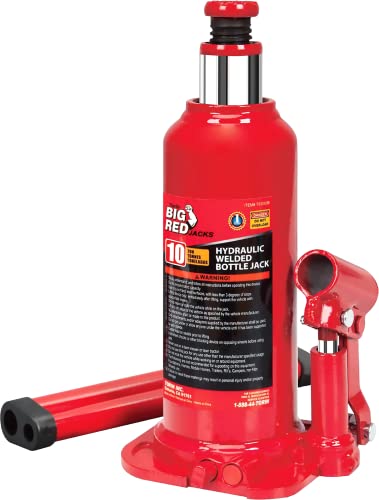
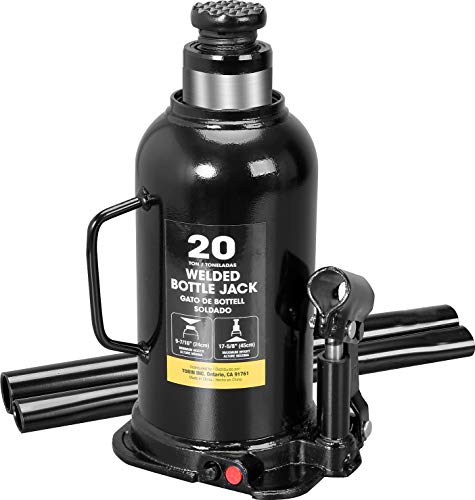
An RV bottle jack is a compact, heavy-duty hydraulic jack designed to lift large recreational vehicles and campers for tire changes, brake maintenance, and other repairs. Unlike standard car jacks, RV bottle jacks are built with higher weight capacities (ranging from 8 to 50 tons) to safely handle the enormous weight of motorhomes and travel trailers. Their vertical, cylindrical shape gives them the name "bottle jack" and allows them to fit under tight spaces with high lifting force [citation:6][citation:10].
Key Takeaway: Never use your RV's stabilizer jacks or leveling system to lift the RV off the ground for a tire change. They are not designed to support the full weight of the vehicle and can fail, causing serious injury or property damage [citation:2][citation:15].
How to Choose the Right RV Bottle Jack
Selecting the correct bottle jack for your RV is critical for safety and effectiveness. Here are the key factors to consider:
1. Weight Capacity (Tonnage)
The jack's rated capacity must exceed your RV's weight. A good rule of thumb is to choose a jack rated for your RV's Gross Vehicle Weight Rating (GVWR) or more. For example, a 12,000 lb GVWR trailer requires at least a 6-ton jack, as the jack may need to lift one corner or one side of the vehicle [citation:9].
- Class A Motorhomes: 12-24 ton jacks recommended [citation:1].
- Fifth Wheels & Large Trailers: 10-12 ton jacks are common [citation:4][citation:5].
- Class C Motorhomes & Smaller Trailers: 8-12 ton jacks often suffice [citation:4].
2. Lift Height Range
The jack must have a minimum height low enough to slide under your RV's lift point when the tire is flat, and a maximum height high enough to lift the wheel off the ground. Many bottle jacks offer a lifting range of 9-17 inches [citation:10][citation:12]. Some models include a threaded extension screw for additional fine-tuning [citation:6][citation:10].
3. Jacking Point
Knowing where to place the jack is as important as the jack itself. The safest practice is to consult your RV owner's manual for the manufacturer-recommended lift points. Common points include:
- Frame Rails: The main steel I-beams of the chassis. This is the safest and most manufacturer-recommended location [citation:2][citation:9].
- Axle U-Bolts or Spring Plates: Experienced owners often place the jack under the axle tube, close to the U-bolts or spring plate. This requires a saddle to distribute the load and avoid bending the axle [citation:4][citation:5][citation:7].
⚠️ Critical Safety Tips
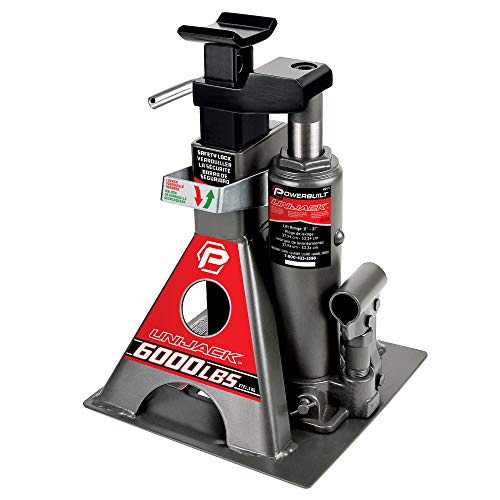
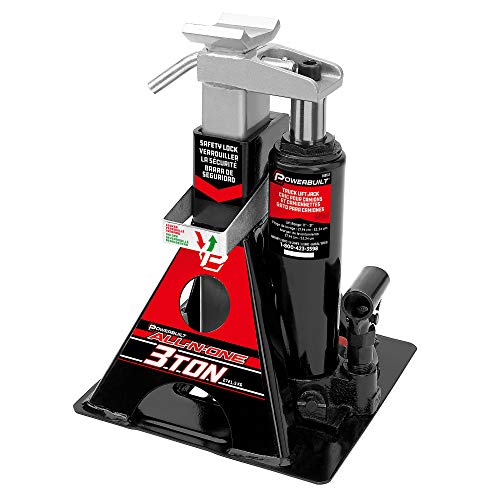
- Always Use Jack Stands: Never work under an RV supported only by a bottle jack. Use appropriately rated jack stands for secondary support [citation:5][citation:7].
- Check the Jack Regularly: Inspect your jack for leaks or damage before each use. A leaking jack can drop the load without warning [citation:14].
- Test Before You Travel: Verify your jack's fit and function at home before you need it on the side of the road [citation:9].
- Never Exceed Capacity: Lifting a load heavier than the jack's rating can cause catastrophic failure [citation:10].
Popular RV Bottle Jack Models
Based on RV owner forums and product reviews, here are some frequently recommended bottle jacks for RV use:
VEVOR 20 Ton Hydraulic Bottle Jack [citation:10][citation:12]
- Capacity: 20 Tons / 44,092 lbs
- Lifting Range: 9.4" - 17.7" (with 2.4" screw extension)
- Weight: 21.2 lbs
- Price: ~$50–$80
Torin BIG RED 12 Ton Bottle Jack [citation:5]
- Capacity: 12 Tons / 24,000 lbs
- Lifting Range: Various models available
- Price: ~$40–$60
VEVOR Air/Hydraulic 20 Ton Bottle Jack [citation:6][citation:8]
- Capacity: 20 Tons / 44,092 lbs
- Lifting Range: 10.2" - 19.5" (with 2.6" screw extension)
- Weight: 29.8 lbs
- Price: ~$100–$150
Bottle Jack vs. Floor Jack for RVs
While a floor jack can also lift an RV, a bottle jack is generally preferred for roadside use and storage due to its compact size, lighter weight, and ability to lift heavy loads from a smaller footprint. Many RVs have limited ground clearance, and a bottle jack is easier to position. However, a floor jack offers a broader base and may be more stable on paved surfaces [citation:4].
Comparison: RV Bottle Jack Models
| Model | Capacity | Lifting Range | Weight | Best For |
|---|---|---|---|---|
| Torin BIG RED 12 Ton | 12 Tons | Various | ~15 lbs | Travel trailers, Class C [citation:4][citation:5] |
| VEVOR 20 Ton Hydraulic | 20 Tons | 9.4" - 17.7" | 21.2 lbs | Class A motorhomes, heavy trailers [citation:10][citation:12] |
| VEVOR Air/Hydraulic 20 Ton | 20 Tons | 10.2" - 19.5" | 29.8 lbs | Large RVs, frequent use [citation:6][citation:8] |
| Power Mountain PM94FR | 24,000 lbs | 27" max lift | N/A | Class A motorhomes [citation:1] |
Conclusion: Be Prepared with the Right RV Bottle Jack
Equipping your RV with a properly rated bottle jack is a crucial step in safe and enjoyable RV travel. By understanding your RV's weight, choosing a jack with adequate capacity and lift range, and always using jack stands for support, you can handle tire issues and maintenance with confidence. Always refer to your RV's owner manual for specific jacking points and safety instructions.
For more information on related topics, check out our guides on RV Camping Guide and Camping Gear.
You might also find these articles helpful: Camping Safety, Emergency Preparedness, and Winter Camping.