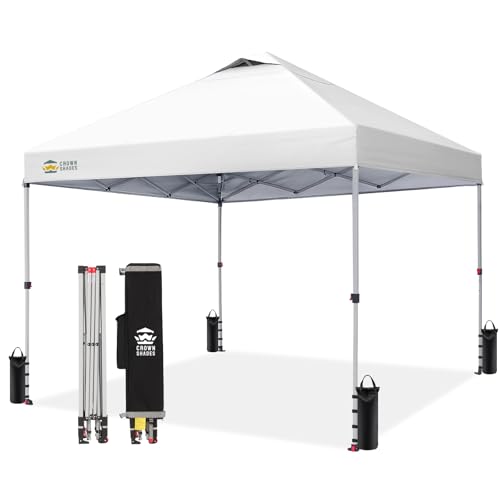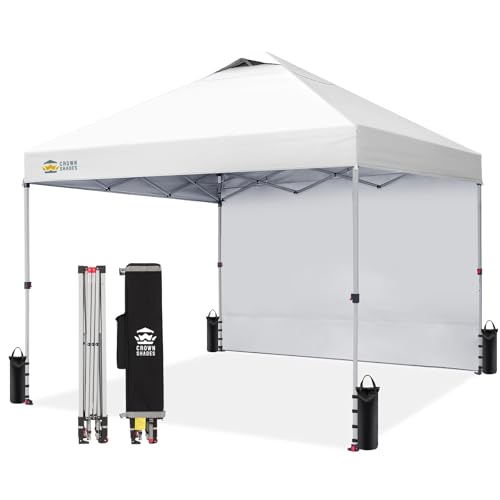
Pop Up Canopy Guide: The Ultimate Shelter for Any Outdoor Activity
Whether you're camping, hosting a backyard party, or setting up a booth at a market, a pop up canopy provides instant shade and protection. This comprehensive guide covers everything you need to know to choose the perfect canopy for your needs.
What is a Pop Up Canopy?
A pop up canopy is a portable, collapsible shelter that can be set up in minutes without tools. It typically consists of a collapsible metal frame and a fabric roof that provides shade and protection from the elements. Pop up canopies are indispensable for campers, event organizers, vendors, and anyone who spends time outdoors.
Modern pop up canopies are engineered for quick deployment. Many feature a central locking system that allows for one-person setup in seconds [citation:1][citation:7][citation:8]. They are designed to be lightweight yet durable, with many models offering UPF 50+ sun protection and water-resistant fabrics [citation:1][citation:4][citation:8].
Pop Up Canopy Sizes and Types
Pop up canopies come in a variety of sizes to suit different needs. The most common sizes are 10x10 feet, 10x15 feet, and 10x20 feet [citation:4][citation:12][citation:15]. Here's a quick comparison:
10x10 FT
Ideal for small groups, tailgating, and vendor booths. Provides 100 sq ft of shade, comfortably accommodating 6-8 people [citation:1][citation:8].
10x15 FT
A good balance for family gatherings and medium-sized events.
10x20 FT
Offers expansive coverage (200 sq ft) for large groups, parties, and commercial events [citation:4][citation:12].
Beyond size, canopies also vary by type. Some are designed for instant setup with a one-push lift system [citation:4]. Others, like screen tents, offer bug protection with mesh walls [citation:5][citation:14]. There are also heavy-duty commercial-grade canopies designed for frequent use at markets and trade shows [citation:6][citation:15]. For campers looking to expand their living space, some canopies are designed to attach directly to SUV tents [citation:2].
Key Features to Consider
When choosing a pop up canopy, there are several critical factors to evaluate. Understanding these will help you select a canopy that meets your specific needs and stands up to the elements.
Frame Material
Look for powder-coated steel or rust-resistant aluminum frames. Steel offers superior strength and stability, crucial for windy conditions [citation:1][citation:4][citation:10].
Fabric Quality
210D to 500D Oxford fabric is common. A silver-coated or PU-coated fabric provides UPF 50+ protection and water resistance [citation:1][citation:4][citation:8].
Sidewalls
Detachable sidewalls offer privacy and protection from wind and rain. Some include windows for light and ventilation [citation:4][citation:13].
Portability
Consider the weight and the carrying bag. A wheeled bag is a significant advantage for transporting heavier models [citation:8][citation:10].
Ease of Setup
Look for central push-button locking systems or one-touch lift designs for solo setup [citation:1][citation:7][citation:12].
Stability
Features like sandbags, stakes, and wind ropes are essential for keeping your canopy secure in changing weather [citation:1][citation:8][citation:12].
Best Uses for a Pop Up Canopy
A pop up canopy is an incredibly versatile piece of equipment. Here are just a few of the many ways you can use one:
- Camping: Use as a shaded kitchen, dining area, or gear storage, especially when car camping or RVing [citation:4].
- Outdoor Events: Perfect for backyard parties, BBQs, and family gatherings [citation:4].
- Commercial Use: An essential tool for vendors at farmers' markets, flea markets, and craft fairs [citation:6][citation:15].
- Beach and Tailgating: Provides instant shade for a relaxing day at the beach or a pre-game party.
- Emergency Shelter: Can serve as a temporary shade structure at outdoor events.
For those who enjoy music festival camping, a pop up canopy is practically essential for creating a communal living area. Similarly, if you're planning an outdoor activity like a beach camping trip, the sun protection a canopy offers is invaluable [citation:4].
Popular Pop Up Canopy Models
The market is filled with options, but a few models consistently stand out for their quality and value:
- VEVOR 10x20 Canopy: Praised for its spacious coverage and sturdy iron frame. Reviewers highlight its ability to withstand wind and rain, making it a reliable choice for various outdoor events [citation:4][citation:9].
- VEVOR 10x10 Canopy: A popular choice for its quick one-person setup and durable 250D fabric with UPF 50+ protection [citation:8].
- ABCCANOPY 10x20 Canopy: Known for its commercial-grade quality and heavy-duty construction, earning praise for its durability at outdoor markets and events [citation:11].
- VEVOR 12x12 Screen Tent: A larger option that provides 360-degree bug protection, ideal for creating an insect-free zone while camping or in the backyard [citation:5][citation:14].
When selecting a canopy, it's wise to consider how you'll use it. For frequent use at markets, a durable pop-up tent with a heavy-duty frame and robust carrying bag is essential [citation:9]. For occasional use like a beach canopy, a lighter, more portable model might be more suitable.
Maintenance and Care Tips
To get the most out of your pop up canopy, proper care is essential. Here are a few tips to ensure its longevity:
- Secure Properly: Always use the provided stakes, ropes, and sandbags to anchor your canopy, especially in windy conditions [citation:1][citation:8].
- Weather Awareness: Take the canopy down in extreme weather. Heavy rain, strong winds, or snow can damage the frame and fabric [citation:7][citation:12].
- Clean and Dry: Allow the canopy to dry completely before packing it away to prevent mold and mildew.
- Carry Bag Care: Be cautious when rolling the canopy bag on rough surfaces, as wheels can be small and the bag can wear through [citation:9].
Following these simple steps will help ensure your canopy remains a reliable shelter for many outdoor adventures to come.
Disclaimer
Outdoor activities involve inherent risks. The information provided on CampLifeEssentials is for educational purposes only. We are not responsible for any injuries, losses, or damages resulting from the use of this information. Some content may use AI assistance. Always practice Leave No Trace principles and verify local regulations before camping. If you do not agree, please do not use this website. Read the full disclaimer.