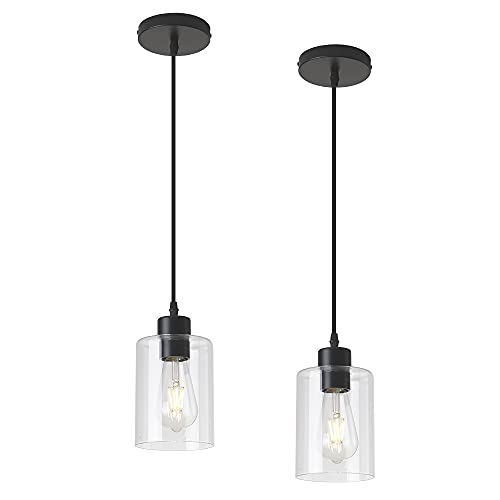
Pendant Lighting Modern: Complete Guide for Your Home
Transform your kitchen island, dining table, or foyer with the perfect modern pendant light. Learn about styles, sizing, and how to choose the right fixture for your space.
SHOP MODERN PENDANTSWhy Modern Pendant Lighting Matters: A pendant light is more than just a source of illumination—it's a design statement. The right fixture can define a space, create ambiance, and tie together your interior aesthetic. Whether you're renovating a kitchen, updating a dining room, or adding character to an entryway, understanding the nuances of modern pendant lighting is essential for making a confident purchase.
What Defines Modern Pendant Lighting?
Modern pendant lighting is characterized by clean lines, minimalist forms, and a focus on functionality without sacrificing style. Unlike traditional pendants that often feature ornate details, modern designs embrace simplicity—think geometric shapes, sleek metal finishes, and innovative materials like glass, acrylic, and concrete.
These fixtures have evolved significantly over the past decade. Today's modern pendants often incorporate integrated LED technology, adjustable hanging systems, and smart home compatibility. They are designed to be both practical and sculptural, serving as focal points in a room even when turned off. For those who appreciate the intersection of form and function, modern pendant lighting represents the perfect balance.
When selecting a pendant, consider how it will interact with your existing décor. A minimalist space might benefit from a single, oversized globe pendant, while a more eclectic interior could accommodate a cluster of mixed-metal designs. The key is to choose fixtures that complement rather than compete with your overall design scheme.
Popular Modern Pendant Styles
Geometric & Sculptural
These pendants feature bold shapes—spheres, cubes, cylinders, and abstract forms. They act as functional art, drawing the eye and adding visual interest. Popular materials include matte black metal, brushed brass, and frosted glass. Ideal for dining rooms and entryways where you want to make a statement.
Industrial & Minimalist
Inspired by factory lighting, these designs use exposed bulbs, metal cages, and simple silhouettes. They work beautifully in lofts, kitchens, and modern farmhouse settings. Look for finishes like raw steel, aged iron, or polished chrome. The emphasis is on raw materials and honest construction.
Glass & Crystal
Modern glass pendants range from clear and faceted to smoked and textured. They diffuse light beautifully and add a touch of elegance without feeling stuffy. Crystal pendants in contemporary settings often feature simple, linear shapes rather than traditional chandelier styling. Perfect for dining rooms and master bedrooms.
Integrated LED & Smart
These cutting-edge fixtures feature built-in LED arrays that are energy-efficient and long-lasting. Many offer dimming, color temperature adjustment, and app or voice control. They represent the pinnacle of modern convenience and are ideal for tech-savvy homeowners. Look for models with high CRI (Color Rendering Index) for accurate color representation.
Multi-Light & Cluster
Instead of a single fixture, these designs group multiple pendants together—either on a single canopy or as separate hanging points. They create a dramatic, layered lighting effect and are perfect for large kitchen islands or long dining tables. You can mix and match sizes, shapes, and finishes for a custom look.
Natural & Organic
These pendants incorporate materials like rattan, bamboo, wood, and woven fibers. They bring warmth and texture to modern spaces, softening the hard edges of contemporary architecture. Ideal for coastal, bohemian, and Scandinavian-inspired interiors. They pair exceptionally well with greenery and natural textiles.
How to Choose the Right Size for Your Space
Size is one of the most critical factors when selecting pendant lighting. A fixture that's too small will look lost, while one that's too large will overwhelm the room. Here are some guidelines to help you get it right:
- For Kitchen Islands: A good rule of thumb is to use one pendant for every 2 feet of island length. For a 6-foot island, three small-to-medium pendants or two larger ones work well. The bottom of the pendant should hang 30–36 inches above the countertop.
- For Dining Tables: The pendant should be roughly half to two-thirds the width of your table. If your table is 40 inches wide, look for a pendant that's 20–27 inches in diameter. Hang it so the bottom is 30–34 inches above the table surface.
- For Foyers and Entryways: A single statement pendant can work beautifully here. Ensure it's proportional to the space—a good guideline is to add the length and width of the room in feet; the sum in inches is a good diameter for the fixture.
- For Bedrooms: Bedside pendants should be mounted 20–24 inches above the nightstand and roughly 12–18 inches from the edge of the bed. They should be small enough to not crowd the space but large enough to provide adequate reading light.
Don't forget to account for ceiling height. In rooms with standard 8-foot ceilings, pendants should be compact and hang relatively close to the ceiling. In rooms with higher ceilings, you have more flexibility and can opt for longer hanging chains or cords. For more tips on preparing your home for any season, you might find our guide on winter camping gear checklist surprisingly useful for general preparedness principles.
Understanding Quality Tiers in Modern Pendant Lighting
When shopping for modern pendant lighting, you'll encounter a range of quality levels. To help you make an informed decision without focusing on specific prices, here's a breakdown of what you can expect at each tier:
- Entry-Level These fixtures are affordable and functional. They typically use standard materials like basic metal and simple glass. While they may lack the refined finishes of higher tiers, they can still look great in the right setting. Ideal for rental properties, budget-conscious renovations, or spaces where you plan to update frequently. Expect straightforward installation and basic bulb compatibility.
- Mid-Range This is the sweet spot for most homeowners. Mid-range pendants offer better materials, more refined designs, and improved durability. You'll find higher-quality metal finishes, thicker glass, and often integrated LED options. These fixtures are designed to last and can serve as long-term design elements in your home. Many smart features also start to appear at this tier.
- Premium Premium pendants are characterized by exceptional craftsmanship, designer collaborations, and the use of luxurious materials like hand-blown glass, solid brass, and natural stone. These fixtures are often produced in limited quantities and may feature unique, patented designs. They are investments in your home's aesthetic and are built to be heirlooms. Expect superior light quality and meticulous attention to detail.
- Luxury At the luxury tier, pendant lighting transcends functionality to become true art. These pieces are often custom-made or from renowned designers. They may incorporate precious materials, complex engineering, and cutting-edge technology. Luxury pendants are statement pieces that define a space and reflect a high level of discernment. They are typically found in high-end residences and hospitality settings.
When comparing tiers, it's helpful to think in relative terms. A mid-range fixture will typically offer a smoother adjustment mechanism and a more consistent finish than an entry-level one. A premium fixture will have a more refined light diffusion and a more substantial feel than a mid-range option. Understanding these differences helps you align your purchase with your long-term goals.
Installation and Placement Tips
Proper installation is key to getting the most out of your modern pendant lighting. Here are some practical tips:
- Check Your Ceiling: Ensure your ceiling can support the weight of the fixture. Most pendants come with mounting hardware, but for heavier pieces, you may need to install a ceiling brace. If you're unsure, consult a licensed electrician.
- Wiring Matters: Modern pendants often require a ground wire and may need a dimmer switch for full functionality. If your home's wiring is older, consider having an electrician update it. For those interested in off-grid solutions, our article on battery & solar panel kits offers insights into independent power systems.
- Use a Dimmer: A dimmer switch is a game-changer for pendant lighting. It allows you to adjust the mood from bright task lighting to soft ambient glow. Look for dimmable LED bulbs or integrated LED fixtures that support dimming.
- Consider a Swag Kit: If you don't have a junction box exactly where you want the pendant, a swag kit allows you to hang it from a hook and plug it into a wall outlet. This is a great solution for renters or for adding a pendant without major electrical work.
- Layering Light: Pendant lighting works best as part of a layered lighting scheme. Combine it with recessed lighting, under-cabinet lights, and floor lamps to create a flexible and inviting atmosphere.
Frequently Asked Questions
How high should I hang a pendant light over a kitchen island?
For kitchen islands, the bottom of the pendant should hang 30–36 inches above the countertop. This provides adequate task lighting without obstructing your view or causing glare. If you have higher ceilings, you can go slightly higher, but avoid going below 28 inches as it can feel cramped.
Can I use modern pendant lights with a dimmer switch?
Yes, most modern pendant lights are dimmable, but it depends on the bulb and the switch. If you're using LED bulbs, ensure they are marked as dimmable. Integrated LED fixtures often come with their own dimming compatibility. Always check the product specifications before purchasing.
What is the best way to clean modern pendant lights?
Turn off the power first. For metal and glass fixtures, a microfiber cloth slightly dampened with water or a mild glass cleaner works well. Avoid abrasive cleaners that can scratch finishes. For fabric or natural fiber shades, use a soft brush or vacuum attachment to remove dust.
How many pendants do I need for a long dining table?
A common guideline is to use one pendant for every 2 feet of table length. For a 6-foot table, three small-to-medium pendants or two larger ones work well. For an 8-foot table, consider four small pendants or three medium ones. The goal is even light distribution without overcrowding.
Are modern pendant lights suitable for sloped ceilings?
Yes, many modern pendants can be used on sloped ceilings, but you'll need a sloped ceiling adapter. These adapters allow the canopy to sit flush against the angled ceiling. Some fixtures come with this adapter included, while others require a separate purchase. Always check the product details.
Ready to Illuminate Your Space?
Browse our curated selection of modern pendant lights below. Whether you're looking for a subtle update or a dramatic focal point, you'll find the perfect fixture to complete your home.
View Recommended Pendants