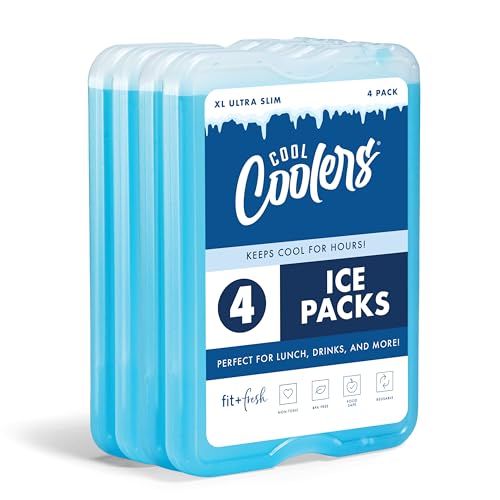
Ice Packs for Cooler Box: The Ultimate Guide to Keeping Your Camping Food Fresh
Discover the best ice packs for your cooler box. Learn how to choose, use, and maintain ice packs to keep food and drinks cold on every camping trip.
View Recommended Ice PacksWhy Ice Packs Matter for Camping: A cooler box is only as good as the ice packs inside it. Whether you're planning a weekend getaway or a week-long adventure, the right ice packs can mean the difference between fresh food and a spoiled mess. This guide will walk you through everything you need to know about choosing, using, and maintaining ice packs for your cooler box.
Types of Ice Packs for Cooler Boxes
Not all ice packs are created equal. Understanding the different types will help you choose the best option for your specific camping needs. From traditional hard-sided packs to flexible gel packs, each type has its own advantages and ideal use cases.
Hard-Sided Ice Packs
These are the most common type of ice packs. They are durable, long-lasting, and provide excellent cooling performance. Hard-sided packs are ideal for large cooler boxes and extended trips. They are typically entry-level to mid-range in terms of cost and are a reliable choice for most campers.
Flexible Gel Ice Packs
Flexible gel packs are great for fitting into tight spaces and wrapping around items. They are often used for smaller coolers or for keeping food and drinks cold in lunch bags. These are usually budget-friendly and perfect for short trips or day outings.
Refrigerant Ice Packs
These high-performance packs are designed for maximum cooling efficiency. They are often used in premium coolers and are ideal for extended trips where maintaining a consistent temperature is critical. Refrigerant packs are typically mid-range to premium in terms of cost.
Reusable Ice Packs
Reusable ice packs are an eco-friendly and cost-effective option. They can be frozen and reused multiple times, making them a sustainable choice for frequent campers. These packs are available in various sizes and are generally affordable to mid-priced.
How to Choose the Right Ice Pack for Your Cooler Box
Choosing the right ice pack depends on several factors, including the size of your cooler, the duration of your trip, and the type of food you're storing. Here are some key considerations to help you make the best choice.
| Factor | Consideration | Recommendation |
|---|---|---|
| Cooler Size | Larger coolers require more ice packs to maintain temperature. | Use 1 large ice pack per 10-15 quarts of cooler space. |
| Trip Duration | Longer trips need more cooling power. | For multi-day trips, use refrigerant or hard-sided packs. |
| Food Type | Perishable items like meat and dairy need consistent cold temperatures. | Use high-performance packs for perishables. |
| Space Constraints | Flexible packs fit better in tight spaces. | Use gel packs for smaller coolers or tight packing. |
| Budget | Prices vary based on type and performance. | Entry-level for occasional use, premium for frequent campers. |
Tips for Using Ice Packs Effectively
Even the best ice packs can underperform if not used correctly. Follow these tips to maximize their cooling efficiency and keep your food fresh for longer.
- Pre-Chill Your Cooler: Before packing, chill your cooler box with a few ice packs for a few hours. This helps maintain a lower temperature from the start.
- Layer Strategically: Place ice packs at the bottom, sides, and top of the cooler. Cold air sinks, so a layer at the top helps distribute cool air throughout.
- Don't Overpack: Leave some space for air circulation. A tightly packed cooler can actually reduce cooling efficiency.
- Use a Cooler Liner: A reflective liner can help maintain temperature and protect your ice packs.
- Keep It Closed: Minimize opening the cooler to retain cold air. Plan what you need before opening.
- Re-Freeze Properly: Ensure ice packs are completely frozen before each use. Partially frozen packs won't last as long.
Maintenance and Care for Long-Lasting Ice Packs
Proper maintenance can extend the life of your ice packs and ensure they perform optimally for years. Here's how to care for them.
Cleaning
Wipe down ice packs with a damp cloth after each use. For gel packs, avoid using harsh chemicals that can damage the outer shell. Most hard-sided packs can be washed with mild soap and water.
Storage
Store ice packs in the freezer when not in use. This keeps them ready for your next trip and prevents them from absorbing odors. Avoid stacking heavy items on top of gel packs to prevent punctures.
Inspection
Regularly inspect your ice packs for cracks, leaks, or damage. Replace any damaged packs immediately, as they can leak harmful chemicals into your cooler.
Frequently Asked Questions About Ice Packs for Cooler Boxes
How long do ice packs last in a cooler?
The duration depends on the type of ice pack, the quality of your cooler, and external temperatures. High-performance refrigerant packs can last up to 24-48 hours in a premium cooler, while standard gel packs may last 8-12 hours. For extended trips, consider using multiple packs and a high-quality cooler.
Can I use regular ice instead of ice packs?
While regular ice is effective, it melts and creates water, which can soggy your food. Ice packs are cleaner, reusable, and often more efficient for camping. However, for short trips, regular ice can be a budget-friendly alternative.
Are gel ice packs safe for food?
Most gel ice packs are safe for food as long as they are not punctured. However, it's always best to place a barrier (like a towel or liner) between the ice pack and your food to prevent any potential leakage. Check the manufacturer's instructions for specific safety guidelines.
How many ice packs do I need for my cooler?
As a general rule, use one large ice pack for every 10-15 quarts of cooler space. For a standard 50-quart cooler, 3-4 large ice packs should suffice for a weekend trip. Adjust based on trip duration and external temperatures.
Can I refreeze ice packs multiple times?
Yes, most reusable ice packs can be refrozen many times. However, over time, the gel inside may degrade, reducing cooling efficiency. Inspect them regularly and replace when performance drops.
Ready to upgrade your cooler game? Check out our recommended ice packs below and keep your camping food fresh on every adventure.
See Recommended Ice Packs