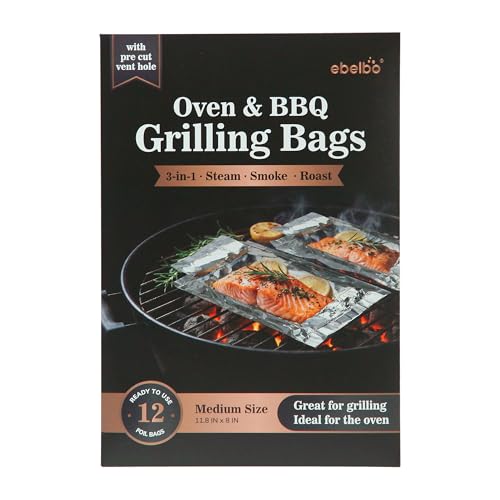
Foil Packets for Camping
Discover the art of foil packet cooking – the ultimate hassle-free way to prepare delicious, healthy, and satisfying meals over a campfire or on a portable stove.
Foil packet cooking is a game-changer for outdoor enthusiasts. Whether you're a seasoned camper or a first-timer, mastering foil packets for camping unlocks a world of culinary possibilities. This method involves wrapping ingredients in heavy-duty aluminum foil and cooking them directly over hot coals, on a grill, or even on a propane gas stove outdoor setup. It's incredibly versatile, requires minimal cleanup, and consistently delivers flavorful, evenly cooked meals.
The beauty of foil packet cooking lies in its simplicity and the near-zero cleanup. You can prepare everything at home, store the packets in your cooler, and simply toss them on the fire when you're ready to eat. This guide covers everything from choosing the right foil and essential ingredients to foolproof recipes and expert tips, ensuring your next camping trip is a culinary success.
Why Choose Foil Packet Cooking?
Foil packets are not just about convenience; they are a smart, efficient, and delicious way to cook outdoors. Here are the key reasons why foil packets should be a staple in your camping kitchen:
- Minimal Cleanup: There are no pots or pans to scrub. After eating, simply discard the foil (after it cools) and your cooking area stays pristine.
- Versatility: You can cook almost anything – from classic campfire foil dinners like chicken and vegetables to seafood, breakfast scrambles, and even desserts like baked apples.
- Even Cooking: The sealed packet traps steam and heat, cooking food evenly and retaining moisture, which prevents the dry, burnt results that can happen with other campfire methods.
- Portion Control & Customization: Each packet is a perfect individual meal. Everyone can customize their own packet with their preferred proteins, veggies, and seasonings.
- Easy Prep: You can assemble all your packets before you leave home, saving time and effort at the campsite.
For those who love to plan ahead, foil packets pair perfectly with other healthy camping meal ideas, allowing you to eat well without the stress of complex cooking.
Essential Gear & Ingredients
To get started with foil packet cooking, you don't need much specialized equipment. Here is a checklist of what you'll need to make foil packets for camping a success.
- Heavy-Duty Aluminum Foil: This is non-negotiable. Regular foil tears too easily. Use heavy-duty foil or double-layer standard foil for durability.
- Heat Source: You can cook foil packets over a campfire (on a bed of hot coals), on a camp stove, or on a portable grill. A camping stove offers more controlled heat, which is great for beginners.
- Long-Handled Tongs: Essential for safely placing and retrieving hot packets from the fire or grill.
- Heat-Resistant Gloves: To protect your hands when handling hot packets.
- Cutting Board & Knife: For prepping ingredients at the campsite, though it's more efficient to prep at home.
- Spray Oil or Butter: To prevent your food from sticking to the foil.
When it comes to ingredients, the sky is the limit. However, some staples are perfect for foil packets. Think small-diced potatoes, onions, bell peppers, zucchini, and protein like chicken breast, sausage, or shrimp. Don't forget your favorite seasonings, herbs, and a splash of olive oil or butter for moisture and flavor.
How to Make the Perfect Foil Packet
Mastering the technique of folding a foil packet is crucial to ensure your food cooks perfectly and no juices escape. Follow these simple steps to create a sealed, leak-proof packet every time.
- Prepare the Foil: Tear off a large sheet of heavy-duty aluminum foil (about 18-24 inches long). If using standard foil, use two layers.
- Lightly Oil: Spray the center of the foil with cooking spray or brush with olive oil to prevent sticking.
- Layer Your Ingredients: Place your protein in the center, then arrange vegetables and seasonings around it. For even cooking, cut ingredients into uniform, bite-sized pieces.
- Add Liquid: Add a few tablespoons of water, broth, or a splash of wine or sauce. This creates steam, which cooks the food evenly and adds flavor.
- Seal the Packet: Bring the two long sides of the foil together over the food and fold them down over themselves in a tight, rolled seam (about ½-inch folds). Then, fold the short ends similarly to create a fully sealed packet. Always leave a little room inside for steam to expand.
Pro Tip: For a complete meal, try making a classic campfire foil pack dinner. Combine seasoned chicken breast with diced potatoes, carrots, onions, and a pat of butter. Seal, and cook for 20-30 minutes, and you have a satisfying, healthy meal ready to eat.
Cooking Times & Temperature Guide
The cooking time for foil packets depends on your heat source and the ingredients. Here is a general guide to help you get started.
- Over Campfire Coals: Place the packet directly on a bed of hot coals (not in the flames). Cook for 15-30 minutes, flipping once, depending on the density of the ingredients.
- On a Camp Stove or Grill: Place the packet on the grates over medium-high heat (about 375°F - 400°F). Cook for 12-25 minutes, flipping halfway.
- In a Cast Iron Skillet: This is a great alternative if you want to crisp the bottom of your packet. Use a camping cookware piece that is heavy and distributes heat evenly.
A good rule of thumb: chicken is cooked when it reaches an internal temperature of 165°F, and vegetables are tender when easily pierced with a fork. It's always better to err on the side of slightly longer cooking time rather than undercooking, especially with poultry.
For those who want to extend their camp cooking skills, foil packet recipes are also perfect for camping dinner food ideas. You can easily adapt these methods for breakfast, lunch, and even dessert, ensuring you have a delightful meal for every part of your day.
Delicious Foil Packet Recipes to Try
Here are some crowd-pleasing foil packets for camping recipes that are simple to prepare and packed with flavor. Feel free to swap in your favorite proteins and vegetables.
- Classic Chicken & Veggies: Chicken breast, baby potatoes, green beans, onions, garlic, olive oil, and your choice of herbs (rosemary, thyme).
- Hearty Sausage & Peppers: Smoked sausage or bratwurst, bell peppers, onions, potatoes, and a drizzle of Italian dressing.
- Lemon Herb Salmon: Salmon fillet, lemon slices, asparagus, dill, and a pat of butter. Cooks in about 12-15 minutes.
- Campfire Breakfast: Scrambled eggs, diced ham, bell peppers, cheese, and a dash of hot sauce.
- Apple Crisp Dessert: Sliced apples, brown sugar, cinnamon, butter, and a sprinkle of oats. A perfect sweet treat to end the day.
These recipes are not only delicious but also a great way to utilize ingredients from your camping food over fire selection. The foil packet method ensures that every meal is a hit with the whole family.
Safety & Pro Tips for Foil Packet Cooking
While foil packet cooking is relatively safe, following a few guidelines will ensure a trouble-free and enjoyable experience.
- Use Heavy-Duty Foil: As mentioned, standard foil can rip, causing your meal to fall into the fire. Always use heavy-duty or double-layer standard foil.
- Never Use Plastic Wrap: Plastic wrap will melt. Only use aluminum foil.
- Handle with Care: Use long tongs and heat-resistant gloves to handle hot packets. The steam inside is extremely hot.
- Open Carefully: When opening a packet, do it away from your face to avoid steam burns. Slit the top with a knife to release steam first.
- Dispose of Foil Properly: Let the foil cool completely before disposing of it in a trash bag. Never leave foil in a campfire pit.
Pro Tip: For a truly hands-off cooking experience, prepare your foil packets at home, label them, and store them in the cooler. When you're ready, just toss them on the fire. This saves time and allows you to focus more on enjoying your camping destinations.