Electric Heater for RV Camper: The Ultimate Buying Guide
Keep your camper warm and cozy on every adventure. Learn how to choose the perfect electric heater for your RV, from wattage and safety features to the best types for your needs.
Why an Electric Heater? Unlike propane heaters, electric heaters produce no carbon monoxide, require no ventilation, and are often quieter and more consistent. They are an excellent supplemental heat source for RVers who camp with electrical hookups or have a robust solar power generator for camping setup.
Why Your RV Needs a Supplemental Electric Heater
Your RV's built-in furnace is designed to keep the chill off, but it can be noisy, consume a lot of propane, and may not provide even heat in every corner of your rig. An electric heater for your RV camper is a game-changer. It provides targeted, silent, and efficient warmth, allowing you to stay comfortable without draining your propane tank. Whether you're a full-timer or a weekend warrior, a portable electric heater is one of the most practical top-rated camping gear items you can add to your setup.
This guide will walk you through everything you need to know to make an informed decision. We'll cover the different types of heaters, key features to look for, safety considerations, and how to maximize efficiency. By the end, you'll be ready to choose the perfect heater for your camper and enjoy a warmer, more comfortable camping experience.
Types of Electric Heaters for RV Campers
Not all electric heaters are created equal. Understanding the different types will help you match a heater to your specific needs and space constraints.
1. Ceramic Heaters
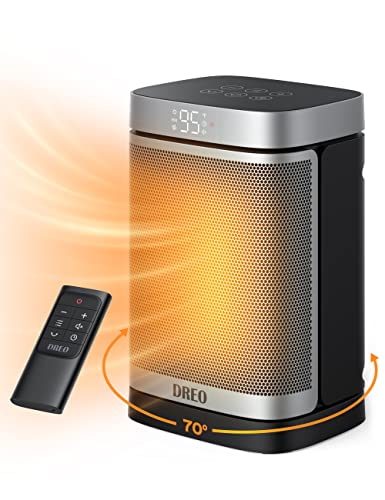
Ceramic heaters are a popular choice for RVs. They use a ceramic heating element and a fan to distribute warm air. They are known for their compact size, quick heating, and safety features like tip-over switches and overheat protection. Many models offer adjustable thermostat settings and oscillation, which helps circulate heat evenly throughout your camper's living area. They are an excellent choice for mid-range budgets and are ideal for heating a specific zone, like the main living area or bedroom.
2. Infrared (Radiant) Heaters
Infrared heaters work by emitting infrared radiation that directly warms objects and people in the room, rather than the air itself. This makes them very efficient for spot heating—if you're sitting near it, you feel warm almost instantly. They are silent and don't dry out the air as much as ceramic or fan-forced heaters. However, they are less effective at heating an entire room uniformly. They are a great supplemental source for a specific area, like a seating area or a chilly corner. Many campers use them alongside a main furnace.
3. Oil-Filled Radiator Heaters
These heaters are filled with oil that heats up and radiates warmth slowly and evenly. They are completely silent, which is a huge plus for light sleepers. They also retain heat for a while after being turned off. However, they are heavy, bulky, and take a long time to heat up. They are not the best choice for small RVs due to their size and weight, but they can be a good option for larger RVs or travel trailers where space is less of a premium. They are often considered a premium or high-end option for their silent operation and consistent heat.
4. Fan-Forced Heaters
These are similar to ceramic heaters but often use a metal heating coil. They are generally more affordable (entry-level) and can heat a space quickly. However, they can be noisier and the exposed heating element can be a safety concern if not properly guarded. They are a budget-friendly option for occasional use, but for regular RV use, a ceramic or infrared model is often a better investment.
Key Features to Consider When Choosing an Electric Heater
When shopping for an electric heater for your RV, keep these critical features in mind to ensure you get a safe and effective unit.
Wattage and Power Draw
This is the most important specification. Most RV campgrounds provide 30-amp or 50-amp electrical service. A 1500-watt heater draws about 12.5 amps. If you're on a 30-amp hookup, you can run a 1500-watt heater, but you'll have limited capacity for other appliances like a microwave or air conditioner. Many heaters have a low (750W) and high (1500W) setting. For boondocking, you'll need a robust power source, such as a portable power station or a camping generator, to run a heater. Always check your RV's electrical capacity before purchasing a high-wattage heater.
Safety Features
Safety is paramount in a confined space like an RV. Look for these essential features:
- Tip-Over Switch: Automatically shuts off the heater if it's knocked over.
- Overheat Protection: Shuts off the unit if it gets too hot.
- Cool-Touch Housing: Prevents burns if you accidentally touch the heater.
- Thermostat: An adjustable thermostat helps maintain a consistent temperature and saves energy.
- Timer: Allows you to set the heater to turn off after a certain period, which is great for saving power and peace of mind.
Size and Portability
Consider where you'll place the heater. A compact, lightweight unit is easier to move from the living area to the bedroom. Look for models with a built-in handle. If space is very tight, a small ceramic heater is often the best fit. For more comfort solutions, consider a camping heater for tent if you also tent camp, or a battery-powered tent heater for off-grid adventures.
Noise Level
If you're a light sleeper, the noise of a fan can be disruptive. Infrared heaters and oil-filled radiators are silent. Ceramic heaters have a fan, but many models are designed to be quiet. Read reviews to gauge the noise level of a specific model.
How to Use an Electric Heater Safely in Your RV
Using an electric heater in an RV is generally safe, but you must follow these precautions:
- Never Use an Extension Cord: Plug the heater directly into a wall outlet. Extension cords can overheat and cause a fire.
- Keep It Clear: Maintain at least three feet of clearance around the heater. Keep it away from curtains, bedding, and other flammable materials.
- Don't Leave It Unattended: Turn off and unplug the heater when you leave the RV or go to sleep.
- Check Your RV's Wiring: Ensure your RV's electrical system can handle the load. If you're unsure, consult a professional.
- Use a Carbon Monoxide Detector: Even though electric heaters don't produce CO, it's a good safety practice to have a detector in your RV.
For more safety tips, especially for winter camping, refer to our guide on winter camping safety and prevent frostbite.
Maximizing Your Electric Heater's Efficiency
To get the most out of your heater and keep your energy consumption low, try these tips:
- Insulate Your RV: Use window insulation kits and draft stoppers to keep heat in. This is especially important for winter camping.
- Use a Programmable Thermostat: Set it to a lower temperature at night and have it warm up before you wake up.
- Zone Heating: Only heat the area you're using. Close off the bedroom or bathroom if you're in the living area.
- Combine with Other Heat Sources: Use your electric heater to supplement your RV's furnace, not replace it entirely. This can help you use less propane.
Frequently Asked Questions
Can I run an electric heater off my RV battery?
Running a standard 1500-watt electric heater off a battery bank is not practical for long periods. It would drain a typical RV battery very quickly. You would need a large lithium battery bank and a powerful inverter, or a generator. For battery-powered options, consider a battery-powered electric throw blanket for personal warmth.
What size electric heater do I need for my camper?
For most RVs, a 1500-watt heater is sufficient for supplemental heat. If you have a very small camper (like a teardrop or pop-up), a 750-watt setting might be enough. For larger RVs, you may need multiple heaters or a higher-wattage unit, but always be mindful of your electrical hookup's capacity.
Are electric heaters safe to leave on overnight?
Most modern electric heaters with safety features like tip-over and overheat protection are safe to leave on overnight. However, it's always best to follow the manufacturer's instructions. If you're concerned, choose a model with a timer and set it to turn off after a few hours.
What is the best type of electric heater for an RV?
The best type depends on your needs. Ceramic heaters are great for quick, even heating and are compact. Infrared heaters are excellent for silent, spot heating. Oil-filled radiators are silent but heavy. For most RVers, a ceramic heater with a thermostat and multiple heat settings is the best all-around choice.
Final Thoughts
Investing in a quality electric heater for your RV camper is a smart move that can significantly enhance your comfort on the road. By understanding the different types, key features, and safety practices, you can choose a heater that keeps you warm without breaking the bank or compromising safety. Remember to consider your power source, prioritize safety features, and always follow the manufacturer's guidelines. With the right heater, you can extend your camping season and enjoy cozy evenings in your home away from home. For more ways to stay warm, explore our guides on winter camping heaters and how to stay warm in winter.