Ultimate Guide to Cooler Food: Keep Your Camping Meals Fresh
Choosing the right cooler is essential for safe, fresh, and delicious food on any camping trip. Learn how to pick, pack, and maintain the best cooler for your adventure.
Shop Top Coolers →Why It Matters: Proper food storage prevents spoilage, saves money, and reduces waste. A great cooler keeps ice for days, so you can enjoy fresh ingredients even in the backcountry.
Types of Camping Coolers
Not all coolers are created equal. Understanding the differences helps you choose the right one for your trip length, group size, and destination.
Cooler Type Comparison
| Type | Ice Retention | Best For | Price Range |
|---|---|---|---|
| Hard-Sided (Rotomolded) | 5–10+ days | Extended trips, off-grid, bear-resistant | $250–$500+ |
| Soft-Sided (Insulated Tote) | 1–3 days | Day trips, short overnights, beach | $50–$150 |
| Electric / Thermoelectric | Continuous (plug-in) | Car camping, RV, extended stays | $150–$400 |
| High-Performance (Yeti, RTIC) | 7–10+ days | Hunting, fishing, extreme conditions | $300–$600+ |
Prices reflect current market averages. Actual costs may vary by retailer and promotions.
What to Look For in a Cooler
Before buying, consider these critical features to ensure your cooler meets your food storage needs.
- Ice Retention: The core metric. Look for coolers with thick insulation (2–3 inches) and a tight seal.
- Durability: Rotomolded construction offers superior strength and impact resistance for rough use.
- Capacity: Measure in quarts. For a weekend trip for two, 40–60 quarts is ideal. For families, 80+ quarts.
- Portability: Consider weight and handles. Wheeled coolers are great for heavy loads and beach trips.
- Bear Resistance: If camping in bear country, choose a certified bear-resistant cooler (e.g., IGBC certified).
- Drainage: A built-in drain plug makes cleaning and meltwater removal easy.
Pro Tips for Packing a Cooler
Even the best cooler underperforms if packed incorrectly. Follow these steps to maximize ice life and food freshness.
- Pre-chill: Cool the cooler and all contents (food & drinks) before packing. A warm cooler melts ice faster.
- Layer strategically: Place a layer of ice or ice packs at the bottom. Add food, then top with more ice. Use block ice for longer retention.
- Organize by meal: Pack day 1 food on top, later meals below. This reduces the time the cooler is open.
- Reduce air space: Fill empty gaps with crumpled newspaper or extra ice packs. Less air means slower melting.
- Keep it cool: Store the cooler in the shade and cover with a reflective blanket for extra insulation.
💡 Expert Advice: Freeze water bottles instead of using bagged ice. They act as ice packs and provide drinking water as they melt. This is a simple, cost-effective trick for any trip.
Food Safety & Regulations
Keeping food at a safe temperature (below 40°F) is critical to prevent bacterial growth. In many parks, you are required to store food in a bear-resistant container or hard-sided vehicle. Always check local regulations before you go.
For detailed rules on food storage in national parks and wilderness areas, review the official guidelines. Understanding food storage rules ensures you stay compliant and safe.
Cooler Food for Different Trip Types
Your cooler choice depends on your camping style. Here’s a quick breakdown:
- Car Camping: Large hard-sided cooler or electric fridge. You can bring fresh produce, meats, and pre-cooked meals.
- Backpacking: Lightweight, soft-sided coolers or insulated dry bags. Focus on dehydrated meals, cured meats, and hard cheeses.
- RV Camping: A 12-volt portable fridge or large cooler with excellent ice retention. You have more space and weight capacity.
- Beach / Day Trips: A soft-sided tote with good insulation. Perfect for sandwiches, drinks, and snacks.
For longer expeditions, consider pairing a high-performance cooler with a portable fridge for ultimate flexibility. Many campers also use coolers as extra dry storage for camping foods that don't require refrigeration.
Maintaining Your Cooler
Proper care extends the life of your cooler and ensures it performs when you need it most.
- Clean after each trip: Use warm water and mild soap. Avoid harsh chemicals that can damage seals.
- Dry thoroughly: Leave the lid open to air dry and prevent mildew.
- Store with lid slightly ajar: This prevents odor buildup and keeps seals flexible.
- Inspect seals regularly: A tight seal is crucial for ice retention. Replace if cracked or worn.
Ready for Your Next Adventure?
Choosing the right cooler is a game-changer for any camping trip. Whether you're planning a weekend getaway or a week-long expedition, the right cooler keeps your food fresh, your drinks cold, and your experience enjoyable.
Explore the recommended coolers below – each has been selected based on performance, durability, and value. With the right cooler and smart packing, you'll enjoy delicious meals and cold drinks no matter where the trail takes you.
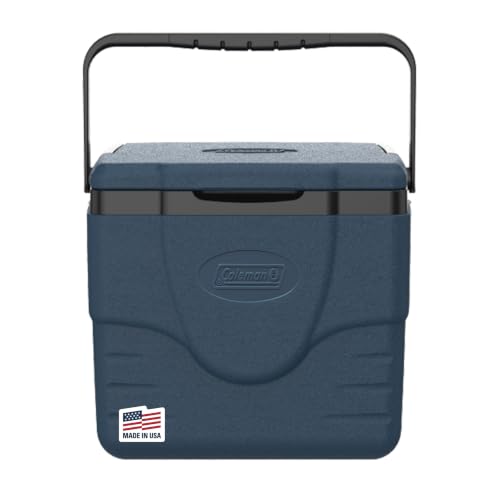
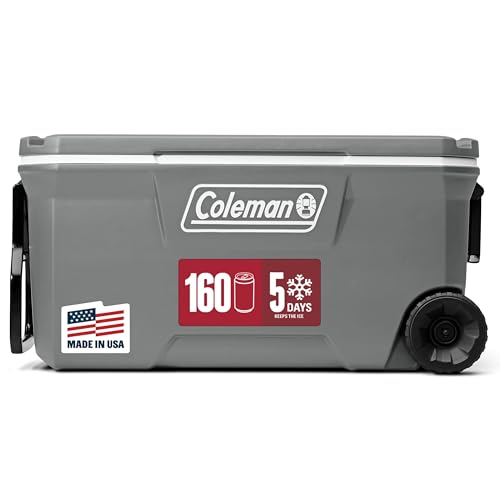
📦 Ready to Upgrade Your Cooler? Check out our top picks below. These coolers are proven performers for every type of camping.