Camping Generator Guide: Power Your Outdoor Adventure
Discover how to choose the right portable generator for your camping needs. We break down power requirements, types, and key features for every type of camper.
FIND YOUR GENERATORCampLifeEssentials Guide: A camping generator is more than just a power source; it's your gateway to a more comfortable and connected outdoor experience. This guide will help you understand your needs and select the perfect model.
Why You Need a Camping Generator
Modern camping has evolved. While the purist's approach of total disconnection has its merits, many campers now seek the comforts of home in the great outdoors. A camping generator bridges that gap, providing reliable power for essential devices and small appliances. It allows you to extend your trips, work remotely, or simply enjoy a cup of coffee from an electric maker. For those venturing off-grid, reliable power is not just a luxury; it's a cornerstone of a well-planned trip. Understanding the nuances of camping without electricity helps you appreciate how a generator can enhance, rather than define, your experience. It’s about having the freedom to camp your way, whether that means powering a CPAP machine for medical needs or charging camera batteries for photography.
Key Factors When Choosing a Portable Generator
Before you look at specific models, you need to define your power profile. The right generator for a weekend car camper is vastly different from one suited for a remote basecamp. Consider these critical factors to ensure you make a wise investment.
1. Power Output: Understanding Watts and Starting Watts
The most crucial specification is power output, measured in watts. There are two numbers to know: running watts and starting watts (also called surge watts). Running watts are what the generator can produce continuously. Starting watts are the brief, extra surge needed to start motor-driven appliances like a refrigerator or an air conditioner. To determine your needs, list all the devices you plan to power and add up their running watts. The generator you choose must have a running wattage higher than this total. Then, identify the device with the highest starting wattage and add that to your total running wattage to find the minimum starting watts you require. This step is non-negotiable for safety and performance. When planning your gear, consider other power tools for your camp, like a camping power bank for smaller devices, to reduce the load on your generator.
2. Generator Type: Inverter vs. Conventional
There are two main types of portable generators for camping: conventional and inverter. Conventional generators are typically more powerful and robust, often used for home backup or large RVs. However, they produce "dirty" power, meaning the electrical current fluctuates, which can damage sensitive electronics like laptops and smartphones. They are also louder and less fuel-efficient. Inverter generators are the gold standard for camping. They produce "clean," stable power identical to what you get from a wall outlet, making them safe for all electronics. They are also quieter, more fuel-efficient, and lighter. While often more expensive and with lower maximum power output than conventional models, their suitability for sensitive gear and noise-sensitive campgrounds makes them the preferred choice for most campers. This is a key consideration if you rely on devices like a camping communication device or drone.
3. Fuel Type: Gas, Propane, or Dual-Fuel
Gasoline is the most common fuel, offering high energy density and widespread availability. However, gasoline has a short shelf life and requires careful handling and storage. Propane is a cleaner-burning alternative with an indefinite shelf life, making it ideal for infrequent use. Propane generators run quieter and require less maintenance but produce slightly less power than their gas counterparts. Dual-fuel generators offer the best of both worlds, allowing you to run on either gasoline or propane. This flexibility is excellent for long trips or emergency preparedness. When planning your camp kitchen, consider how a generator can power appliances like a camping coffee maker or a cooler bag.
4. Noise Level and Portability
Noise is a major factor, both for your enjoyment and out of respect for other campers. Generator noise is measured in decibels (dB). A normal conversation is around 60 dB. Look for a generator that operates at or below 60 dB for a quiet camping experience. Many campgrounds have strict noise regulations, so check their rules. Portability is also key. Generators can be heavy, so consider models with built-in handles and wheels if you need to move them frequently. For those who need to carry their gear over distance, an inverter generator is the clear winner due to its lighter weight. Remember, a generator is just one part of your power strategy, which might also include a solar charger for camping.
Choosing a Camping Generator Based on Your Camping Style
Your camping style should dictate your generator choice. Here’s a breakdown based on common scenarios.
| Camping Style | Power Needs | Recommended Generator Tier |
|---|---|---|
| Tent Camping & Basic Needs | Charging phones, small lights, a small fan, and maybe a laptop. | An entry-level or budget-friendly inverter generator with low output is sufficient. These are lightweight and quiet. Pair with a camping power bank for maximum efficiency. |
| Family Car Camping | Powering an electric cooler, coffee maker, lights, and multiple device chargers. | A mid-range inverter generator with moderate power and multiple outlets. This offers a good balance of portability and power. Consider a cooler bag to keep food fresh. |
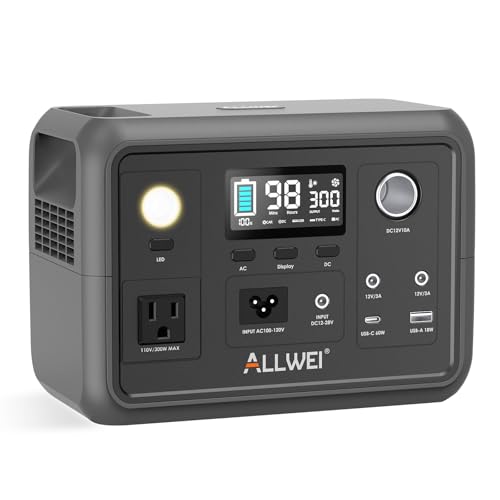
| RV & Van Life | Running a microwave, TV, refrigerator, and air conditioner (for larger RVs). | A premium or high-end inverter generator with high running and starting watts. These are larger and may be dual-fuel. A portable power station can also be an excellent complementary power source. |
| Remote Basecamp & Overlanding | Powering tools, large fridges, and communication gear for extended periods. | A top-tier dual-fuel or high-capacity inverter generator. Reliability and fuel flexibility are paramount. Consider a satellite communicator for safety. |
Generator Safety and Maintenance
Owning a generator comes with responsibility. Always operate your generator outdoors in a well-ventilated area, far away from windows, doors, and vents. Never run it inside a tent, RV, or garage, as the carbon monoxide fumes are deadly. Allow the generator to cool completely before refueling, and store fuel in approved containers. Regular maintenance, such as checking the oil, cleaning the air filter, and running it periodically, will ensure it's ready when you need it. A well-maintained generator is a reliable partner for years of adventures. For a comprehensive emergency plan, familiarize yourself with emergency preparedness for camping.
Understanding Power Needs for Common Devices
- Smartphone/Laptop: 50-100 watts
- LED Lights: 10-50 watts
- Electric Cooler: 50-100 watts
- Coffee Maker: 600-1200 watts
- Microwave: 1000-1500 watts
- RV Air Conditioner: 1500-3500 watts (starting surge is much higher)
FAQ About Camping Generators
Q: Can I use a generator to power my entire house?
A: Portable camping generators are not designed for whole-house power. They are for specific appliances. A whole-house standby generator requires professional installation and is a different class of equipment.
Q: How long can a generator run on a tank of fuel?
A: Runtime varies based on load and fuel tank size. Typically, an inverter generator can run from 4 to 12 hours at 25% load. Check the manufacturer's specifications.
Q: Are there any restrictions on using generators at campgrounds?
A: Yes, many public campgrounds and national parks have strict rules about generator use, often limiting them to certain hours of the day. Always check national park rules and local regulations before your trip.
Q: Is a generator the same as a portable power station?
A: No. A generator creates electricity by burning fuel. A portable power station stores electricity in a battery. Power stations are silent and emission-free but have limited capacity and require recharging. Some campers use both.