Essential Camping Etiquette Guide
Learn how to be a respectful camper, protect the environment, and ensure everyone enjoys the great outdoors.
Why Etiquette Matters: Good camping etiquette ensures everyone has a safe, enjoyable, and memorable experience. By following these simple guidelines, you show respect for nature, wildlife, and your fellow outdoor enthusiasts.
The Core Principles of Camping Etiquette
🏕️ Respect Personal Space
A campsite is like a temporary home. Always respect the privacy of others by not walking through their site. Treat their space as you would your own front yard [citation:2][citation:3][citation:5].
- Don't Cut Through: Walk around, not through, other occupied campsites.
- Maintain Distance: When choosing a spot, give fellow campers adequate space, especially in first-come, first-served areas [citation:5].
🔇 Observe Quiet Hours
Most campgrounds enforce quiet hours, often from 10 PM to 6 AM [citation:3][citation:4][citation:11]. This is a time for everyone to rest and enjoy the peace of nature.
- Minimize Noise: Keep music, conversations, and generator use to a respectful volume.
- Late Arrivals: If you arrive late, keep noise and lights to a minimum to avoid disturbing sleeping neighbors [citation:4].
💡 Manage Your Light
Light pollution can spoil the night sky for everyone. Use lights sparingly and point them downwards to avoid shining into neighboring campsites [citation:2][citation:3][citation:6].
- Stargazing: Turn off bright exterior lights to enjoy the stars and allow others to do the same [citation:2][citation:5].
- Headlamps: Use the red light setting on headlamps at night to preserve night vision and reduce disturbance [citation:6].
🐾 Be a Responsible Pet Owner
Pets are welcome in many campgrounds, but you are responsible for their behavior and impact on others and the environment [citation:2][citation:5][citation:11].
- Leash: Keep your dog on a leash at all times, even if they are friendly [citation:2][citation:11].
- Clean Up: Always pick up and properly dispose of your pet's waste.
- Noise: Ensure your pet does not become a nuisance by barking excessively [citation:5].
Leave No Trace: The Golden Rule of the Outdoors
Leave No Trace (LNT) is a set of ethics that encourages responsible outdoor recreation. The goal is to minimize your impact on the natural environment and ensure that others can enjoy it just as you did [citation:3][citation:10]. This is not just for wilderness campers; it applies everywhere [citation:10].
Plan & Prepare
- Know the regulations for the area you're visiting [citation:10].
- Repackage food to minimize waste [citation:10].
- Visit in small groups to reduce impact [citation:10].
Travel & Camp on Durable Surfaces
- Stick to designated trails and campsites [citation:10][citation:13].
- Camp at least 200 feet from lakes and streams [citation:10].
- Avoid creating new trails or campsites in pristine areas [citation:10].
Dispose of Waste Properly
- Pack it in, Pack it out: Carry out all trash and leftover food [citation:10].
- Use toilets where available. Otherwise, bury human waste in a cathole 6-8 inches deep, at least 200 feet from water [citation:8][citation:10].
- Pack out used toilet paper and hygiene products [citation:8][citation:10].
Leave What You Find
- Examine, but do not touch cultural or historical artifacts [citation:10].
- Leave rocks, plants, and other natural objects as you find them [citation:10].
- Do not carve or graffiti structures [citation:6][citation:10].
Minimize Campfire Impacts
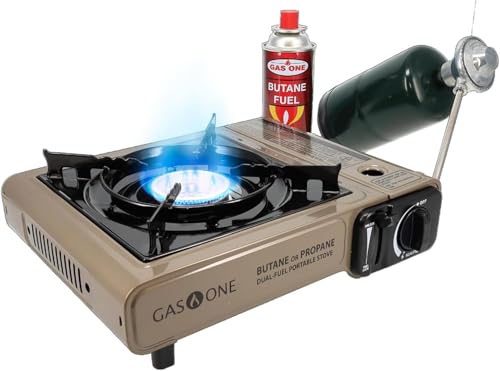
- Use a camp stove for cooking; it's more efficient and less impactful [citation:10].
- Where fires are permitted, use established fire rings or fire pans [citation:10][citation:13].
- Keep fires small and only use dead, downed wood. Burn all wood to ash and extinguish completely [citation:10].
Respect Wildlife
- Observe wildlife from a distance. Never feed them [citation:10][citation:11].
- Store food and trash securely to protect animals from human food [citation:13].
- Control pets at all times [citation:10].
Be Considerate of Other Visitors
- Be courteous on the trail. Yield to other hikers [citation:9][citation:10].
- Let nature's sounds prevail [citation:10].
- Take breaks and set up camp away from trails and others [citation:10].
Etiquette for Specific Camping Situations
Campfires
- Check for fire bans before you go.
- Never cut down live trees or branches for firewood.
- Use only firewood provided or purchased locally to prevent the spread of pests [citation:4].
- Never leave a campfire unattended, and ensure it is completely out before leaving [citation:7][citation:14].
Backcountry Camping
- Be self-sufficient. Pack out all your trash [citation:8].
- Use bear-resistant food storage canisters where required [citation:13].
- Respect protected areas and avoid camping within 200 feet of water sources [citation:10][citation:13].
RV & Car Camping
- Follow speed limits in campgrounds [citation:4].
- Only run generators during permitted hours [citation:5][citation:11].
- Be mindful of your vehicle's lights and noise [citation:4][citation:5].
- Don't take up more space than your site allows [citation:4].
Additional Pro Tips
- Keep Your Campsite Tidy: A clean campsite is a sign of respect. Keep personal gear stored out of the way in shared areas [citation:1].
- Manage Your Food: Never leave food out. Properly store all food and scented items to avoid attracting wildlife [citation:4][citation:13].
- Be a Good Neighbor: A simple "hello" and a friendly attitude go a long way in building a positive camping community [citation:7][citation:9].
- Know the Rules: Before you arrive, check the specific regulations for the park or campground. Rules vary on quiet hours, pet policies, and fire restrictions [citation:11][citation:13].
Summary: At its core, camping etiquette is about mindfulness and respect. By being considerate of others and the environment, you contribute to a positive experience for everyone and help preserve our natural spaces for future generations.