Campfire Chicken: The Complete Guide to Recipes, Gear & Techniques
Discover everything you need to cook delicious, juicy chicken over an open fire — from foil packets and Dutch ovens to skewers and rotisserie setups.
Explore RecipesWhy Campfire Chicken? Chicken is one of the most versatile and affordable proteins for outdoor cooking. It absorbs marinades beautifully, cooks relatively quickly, and pairs with virtually any campfire side dish. Whether you are a first-time camper or a seasoned outdoor chef, mastering campfire chicken will elevate every trip.
Why Campfire Chicken Should Be on Every Camping Menu
Cooking chicken over a campfire is more than just a meal — it is an experience. The smoky flavor, the crackle of the fire, and the satisfaction of preparing a hot, hearty dish outdoors create memories that last far beyond the trip itself. Chicken works for every camping style: from quick camping lunches to elaborate campfire menus that impress the whole group.
Beyond flavor, chicken offers practical advantages. It is lightweight to pack, easy to portion, and can be pre-marinated at home for stress-free cooking at the campsite. Compared to beef or pork, chicken also cooks faster, which means less fuel consumption and more time enjoying the outdoors. If you are planning a camping trip and want reliable, crowd-pleasing meals, chicken should be your go-to protein.
Safety is another consideration. Raw chicken requires careful handling, so always pack it in a quality camping cooler with plenty of ice. Keep it separate from ready-to-eat foods, and cook it to an internal temperature of 165°F (74°C). With proper precautions, campfire chicken is just as safe as cooking at home — and far more rewarding.
Top Campfire Chicken Recipes for Every Skill Level
The beauty of campfire chicken is its flexibility. You can go simple with foil packets, get creative with Dutch oven braises, or impress your campmates with skewers and spit-roasting. Below are four proven approaches, each suited to different gear levels and time constraints.
1. Classic Foil Packet Chicken
The easiest entry point for beginners. Wrap seasoned chicken breasts or thighs with vegetables in heavy-duty aluminum foil and place directly on hot coals.
- Prep time: 10 minutes
- Cook time: 25–35 minutes
- Gear: Heavy-duty foil, tongs, heat-resistant gloves
- Best cuts: Boneless thighs or breast
This method is virtually foolproof and requires minimal cleanup. Pair it with camping foods like corn on the cob or sliced potatoes for a complete meal.
More Campfire Menus →2. Dutch Oven Chicken & Vegetables
A one-pot wonder that feeds a crowd. Sear chicken, add root vegetables, broth, and herbs, then let the Dutch oven work its magic over coals.
- Prep time: 20 minutes
- Cook time: 45–60 minutes
- Gear: Cast iron Dutch oven, lid lifter, charcoal briquettes
- Best cuts: Bone-in thighs or drumsticks
Dutch oven cooking is a cornerstone of camping cooking. The even heat and retained moisture produce fall-off-the-bone results every time.
Camping Cooking Guide →3. Campfire Chicken Skewers
Marinate cubed chicken in your favorite sauce, thread onto skewers with peppers and onions, and rotate over open flames for a smoky, charred finish.
- Prep time: 15 minutes + marinating
- Cook time: 15–20 minutes
- Gear: Metal or soaked wooden skewers, grill grate
- Best cuts: Boneless breast or thigh
Skewers are perfect for camping snacks or a main course. Serve with flatbread and a fresh salad for a balanced meal.
Camping Snacks →4. Rotisserie-Style Campfire Chicken
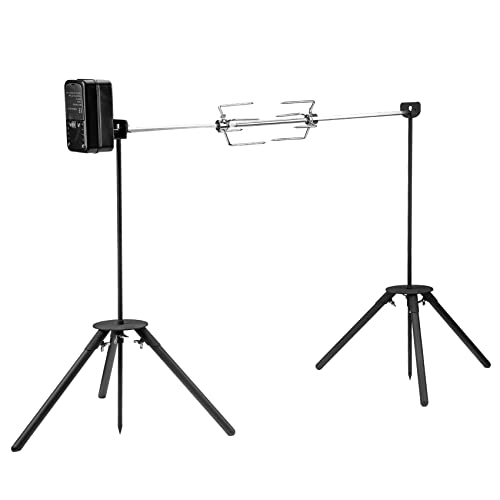
For advanced campers, a rotisserie attachment or a simple spit setup yields crispy skin and incredibly juicy meat. Requires patience and attention but delivers spectacular results.
- Prep time: 30 minutes
- Cook time: 1.5–2 hours
- Gear: Rotisserie kit or spit, drip pan, baster
- Best cuts: Whole chicken
This technique shines at glamping resorts or base camps where you have time to enjoy the process. Baste with butter and herbs for a golden finish.
Glamping Ideas →Essential Gear for Cooking Chicken Over a Fire
Great campfire chicken starts with the right tools. While you do not need a fully equipped outdoor kitchen, a few key items make the process safer, easier, and more enjoyable. Below is a comparison of essential gear based on cooking method and experience level.
| Gear Item | Best For | Experience Level | Key Feature |
|---|---|---|---|
| Heavy-Duty Aluminum Foil | Foil packet meals | Beginner | No cleanup, lightweight |
| Cast Iron Dutch Oven | Braises, stews, one-pot meals | Intermediate | Even heat, retains moisture |
| Grill Grate (Foldable) | Skewers, direct grilling | Beginner to Intermediate | Portable, fits over most fire rings |
| Rotisserie Kit / Spit | Whole chicken, slow roasting | Advanced | Even cooking, crispy skin |
| Instant-Read Thermometer | All methods | All levels | Ensures safe internal temperature |
| Heat-Resistant Gloves | All methods | All levels | Protects hands from burns |
For those who want to expand their outdoor cooking repertoire, consider exploring camping cooking techniques and campfire menus that go beyond chicken. A well-stocked camp kitchen also pairs nicely with a reliable cooler to keep ingredients fresh throughout your trip.
Pro Techniques for Juicy, Flavorful Campfire Chicken
Even with the best gear, technique matters. Here are proven methods to ensure your chicken comes out tender and fully cooked every time.
Control Your Heat Zones
Build a fire with distinct hot, medium, and cool zones. Sear chicken over high heat, then move it to a cooler area to finish cooking through. This prevents burning while ensuring the interior reaches a safe temperature. Understanding campfire safety rules is essential for managing your fire responsibly.
Marinate for Moisture and Flavor
Acidic marinades (citrus, vinegar, yogurt) tenderize chicken and help it retain moisture. Aim for at least 2 hours, or overnight if possible. Pack marinated chicken in leak-proof containers inside your cooler to keep it food-safe.
Use a Thermometer Every Time
Visual cues can be misleading over a fire. An instant-read thermometer removes the guesswork. Chicken is safe to eat at 165°F (74°C). This is especially important when cooking for groups or camping with dogs, where food safety standards should never be compromised.
Rest Before Serving
Let chicken rest for 5–10 minutes after cooking. This allows juices to redistribute, resulting in more tender meat. Use this time to prepare sides or set up your camping lunches for the next day.
Campfire Chicken Safety: What You Must Know
Cooking raw chicken outdoors requires extra care. Follow these guidelines to keep your camping trip safe and enjoyable.
- Keep it cold: Store raw chicken below 40°F (4°C) until ready to cook. Use a quality cooler with plenty of ice.
- Avoid cross-contamination: Use separate cutting boards and utensils for raw chicken. Wash hands thoroughly after handling.
- Cook thoroughly: Always verify internal temperature reaches 165°F (74°C). Never rely on color alone.
- Manage your fire: Keep a bucket of water or sand nearby. Review how to extinguish a campfire properly before you start cooking.
- Check fire regulations: Before lighting any fire, confirm current fire ban guidelines and campfire regulations for your area.
- Practice Leave No Trace: Dispose of all food scraps and packaging properly. Follow Leave No Trace principles to protect the environment.
Perfect Sides and Pairings for Campfire Chicken
A great main course deserves equally great sides. Campfire chicken pairs beautifully with a wide range of outdoor-friendly dishes.
For a classic campfire meal, serve chicken with grilled corn, baked potatoes wrapped in foil, or a simple tomato and cucumber salad. If you are planning a larger gathering, explore campfire menus for inspiration. Light meals like camping lunches can also feature leftover chicken in wraps or sandwiches.
Do not forget drinks. A hot cup of coffee or tea complements the smoky flavor of fire-cooked chicken. For colder trips, browse winter hot drinks recipes to keep everyone warm and satisfied.
Frequently Asked Questions About Campfire Chicken
Cooking time depends on the method and cut. Foil packet chicken typically takes 25–35 minutes over hot coals. Dutch oven chicken requires 45–60 minutes. Skewers cook in 15–20 minutes, while a whole rotisserie chicken takes 1.5–2 hours. Always use a meat thermometer to confirm the internal temperature reaches 165°F (74°C).
Yes, but it requires care. Direct flame cooking can burn the outside before the inside cooks through. The best approach is to cook over hot coals rather than open flames, or use a grill grate to create distance between the chicken and the fire. Rotating frequently ensures even cooking.
Boneless thighs are ideal for beginners because they are forgiving and stay moist. Chicken breasts work well for foil packets and skewers but can dry out if overcooked. Bone-in pieces and whole chickens are best for Dutch oven and rotisserie methods, as the bones add flavor and help retain moisture.
Marinate the chicken before your trip, use a thermometer to avoid overcooking, and let it rest after cooking. Foil packets and Dutch ovens naturally trap moisture, making them excellent choices for juicy results. Basting with butter or oil during cooking also helps.
Yes, if done properly. Use a clean, sturdy stick or metal skewer. Cook over hot coals rather than flames, and rotate frequently. Always verify the internal temperature reaches 165°F (74°C). This method works best with small, uniform pieces of chicken.
Store leftovers in a sealed container inside your cooler as soon as possible. Consume within 3–4 days. Leftover chicken is excellent for camping lunches — try it in wraps, sandwiches, or cold salads. Never leave cooked chicken at room temperature for more than 2 hours.
Final Thoughts: Master Campfire Chicken on Your Next Trip
Campfire chicken is more than a meal — it is a skill that opens up a world of outdoor cooking possibilities. From simple foil packets to impressive Dutch oven feasts, the techniques in this guide will help you cook chicken that is safe, flavorful, and memorable. Whether you are planning a quick camping trip or a longer adventure, chicken should be a staple on your menu.
Remember to pack the right gear, follow food safety guidelines, and respect fire regulations. With practice, you will develop confidence in your campfire cooking abilities and maybe even inspire your campmates to level up their outdoor culinary skills. For more inspiration, explore our camping cooking guides and campfire menus.
Now it is time to grab your gear, build a fire, and cook some amazing campfire chicken. Happy camping!