Cab Over Camper for Short Bed Truck: The Ultimate Guide
Discover how to find, fit, and enjoy a cab over camper on your short bed truck. Learn about weight limits, features, and top considerations for your next adventure.
READ THE GUIDEWhy a Cab Over Camper? A cab over camper (also known as a slide-in truck camper) maximizes your living space by extending over the truck's cab. For short bed truck owners, choosing the right model is crucial for safety and performance. This guide will help you make an informed decision.
Everything You Need to Know About Cab Over Campers for Short Bed Trucks
If you own a short bed truck (typically 5.5 to 6.5 feet), you might think a cab over camper is out of reach. The good news is that manufacturers have designed specific models for short beds, allowing you to enjoy the comfort of a slide-in camper without compromising your truck's utility. However, the key is understanding fit, weight, and the unique features that make a camper suitable for a shorter bed.
Understanding Short Bed Truck Campers
A cab over camper for a short bed truck is engineered to fit the limited bed length while still providing a comfortable living space. These campers often feature a reduced floor length and a carefully balanced center of gravity. Unlike long bed campers, they may have a smaller cabover section or a redesigned layout to avoid extending too far over the cab, which could affect handling. When researching, you'll often see terms like "short bed compatible" or "6-foot bed fit." It's essential to match the camper's floor length to your truck's bed length. For example, a camper designed for a 6-foot bed may not fit a 5.5-foot bed without modifications or a different model.
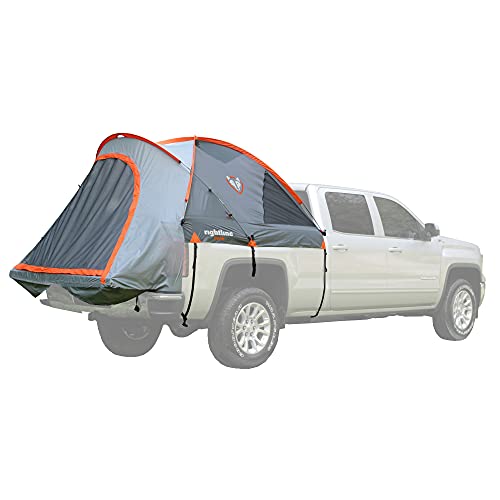
Weight is another critical factor. Short bed trucks generally have lower payload capacities than their long bed counterparts. Therefore, you must check your truck's payload rating and the camper's wet weight (including water, propane, and gear). Overloading can lead to unsafe driving, brake strain, and potential damage. Many short bed camper models are built with lightweight materials like aluminum framing and composite panels to keep the weight down. If you're also considering alternatives, you might look at tent campers for back of pickup trucks as a lighter option, but a hard-sided cab over camper offers better insulation and security.
Fit & Clearance
Ensure the camper's floor length matches your bed length. Check cab clearance to avoid contact during turns. Some models have a tapered front to fit short beds.
Weight & Payload
Short bed trucks have limited payload. Choose a lightweight camper and verify your truck's GVWR and payload capacity. Consider suspension upgrades.
Center of Gravity
A camper designed for a short bed will have its center of gravity positioned to maintain stability. Avoid models meant for long beds.
Features & Layout
Look for compact layouts: dinette, wet bath, small kitchen. Cabover bed is common. Storage is cleverly integrated.
Key Considerations Before Buying
Before you invest in a cab over camper for your short bed truck, consider these factors:
- Truck's Payload Capacity: This is the maximum weight your truck can carry, including passengers, cargo, and the camper. Exceeding it is dangerous and illegal. You'll find the payload rating on the driver's side door jamb.
- Camper Weight: Dry weight is misleading; you need the wet weight (with full water tank, propane, and gear). Many short bed campers weigh between 1,500 and 2,500 pounds dry.
- Bed Length and Configuration: Measure your bed's length accurately. Also, consider your tailgate; some campers require removing it or using a tailgate extender.
- Suspension and Tires: A heavy camper may require air bags, heavy-duty shocks, and load-rated tires. Consult a professional.
- Loading and Unloading: Slide-in campers need a stable loading process. You may need a helper or a camper jack system.
For those who enjoy off-grid adventures, a cab over camper can be paired with 4x4 off-road camper trailers for sale for extended trips. However, if you prefer a self-contained unit, the camper itself is a great choice. Also, remember that many campgrounds have specific rules; check RV parks within 100 miles of me to find suitable locations.
💡 Pro Tip: Always test-fit a camper on your truck before buying. If buying used, inspect for water damage, delamination, and proper sealant. A well-maintained camper can last for many years. For those who prefer a more temporary setup, consider a tent that goes on top of trucks, but a hard-sided camper offers more comfort in harsh weather.
Pros and Cons of Cab Over Campers for Short Beds
✅ Advantages
- Self-contained living space with amenities
- Better insulation and security than tent camping
- Can be used in various weather conditions
- Easy to set up and take down
- Can tow a trailer or boat behind
❌ Disadvantages
- Limited space compared to larger RVs
- Weight restrictions on short bed trucks
- May require suspension upgrades
- Can be challenging to load and unload
- Higher center of gravity affects handling
Top Features to Look For
When shopping for a cab over camper for a short bed truck, prioritize these features:
Lightweight Construction
Aluminum frames, composite walls, and vacuum-bonded panels reduce weight without sacrificing durability.
Compact Layout
Look for a dinette that converts to a bed, a wet bath, and a two-burner stove. Every inch counts.
Four-Season Capability
Heated tanks, insulated walls, and thermal windows allow for winter camping. Check winter camping gear for additional tips.
Solar and Power
Integrated solar panels and lithium batteries keep you off-grid longer. See solar chargers camping for options.
Storage Solutions
Overhead cabinets, under-bed storage, and exterior compartments maximize space.
Easy Loading
Electric jacks and remote controls make loading a breeze. Some models have a low-profile design for easier entry.
Installation and Setup Tips
Installing a cab over camper on a short bed truck requires preparation. First, ensure your truck bed is clean and free of debris. Install a rubber bed mat to prevent slipping. Use tie-downs specifically designed for truck campers; these attach to the truck's frame or bed rails. For short beds, you may need a bed extender or a custom tie-down system. Always follow the manufacturer's instructions. When loading, use the camper's jacks to lift it evenly. Once loaded, secure all tie-downs and check for clearance between the camper and the cab. A common issue is the camper hitting the cab during turns; a cabover camper designed for short beds often has a shorter cabover section to mitigate this.
For those who enjoy cooking outdoors, a cab over camper often has a small kitchen, but you can also bring along camping pots and pans for open fire for campfire cooking. If you're planning a trip, consider easy things to cook over a fire to simplify meals. And don't forget safety: familiarize yourself with campfire safety rules and how to extinguish campfire properly.
Maintenance and Care
To keep your camper in top shape, inspect the roof and seals annually. Clean the roof with mild soap and water, and apply a UV protectant. Check the caulking around vents and seams; reseal as needed. Lubricate the jacks and check the tie-downs for wear. Inside, winterize the plumbing if you live in a cold climate. Regularly check the propane system for leaks. A well-maintained camper will retain its value and provide years of enjoyment. For more outdoor preparedness, see emergency preparedness camping and camping communication devices.
Frequently Asked Questions
Ready to Find Your Perfect Camper?
Explore our recommended cab over campers for short bed trucks below. We've selected top models based on quality, features, and fit.
VIEW RECOMMENDATIONSFor more information on truck camping, check out our guides on tents that go on top of trucks and tent campers for back of pickup trucks. If you're considering a trailer instead, see ultra lite travel trailers under 5000 lbs.