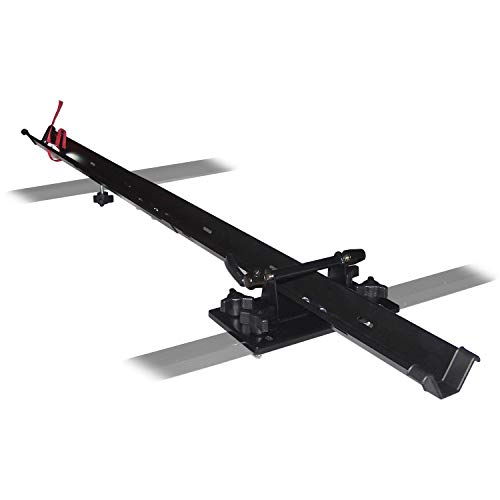
Bike Rack for Top of Pop Up Camper: The Complete Guide
Discover how to safely transport your bicycles on the roof of your pop up camper. Learn about weight limits, rack types, installation methods, and expert tips for a secure and stable ride.
VIEW RECOMMENDED RACKSWhy a Roof-Mounted Bike Rack? For pop up camper owners, space is always at a premium. A roof-mounted bike rack frees up your vehicle's interior and rear bumper, allowing you to bring your bikes along without sacrificing valuable cargo space. However, installing a rack on a pop up camper roof requires careful consideration of weight limits, mounting systems, and the unique structure of your camper.
Understanding Your Pop Up Camper Roof Structure
Before you purchase any bike rack, you must understand the construction of your pop up camper's roof. Unlike traditional RVs or cars, pop up campers typically have a roof made of thin aluminum, fiberglass, or ABS plastic, often with foam insulation. This means you cannot simply drill into the roof or rely on standard roof rails without proper reinforcement.
Most pop up camper roofs are designed to support the weight of the roof itself and perhaps a small air conditioner, but they are not inherently engineered to carry the dynamic load of bicycles. The key is to distribute the weight across the strongest points of the roof structure—typically the side walls or the internal frame members.
When planning your setup, consider the total weight of your bikes plus the rack itself. A typical bicycle weighs between 20 and 35 pounds, and a roof rack adds another 10 to 25 pounds. Always check your camper's manual for the maximum roof load capacity. If you are unsure, consult a professional RV technician. For those new to camper setup, understanding the basics of setting up a camper for the first time can provide helpful context on structural considerations.
Types of Bike Racks for Pop Up Camper Roofs
There are several approaches to mounting bikes on top of a pop up camper. Each has its own advantages and trade-offs. The best choice depends on your camper's roof design, the number of bikes you need to carry, and your budget tier.
1. Roof Rail Systems with Crossbars
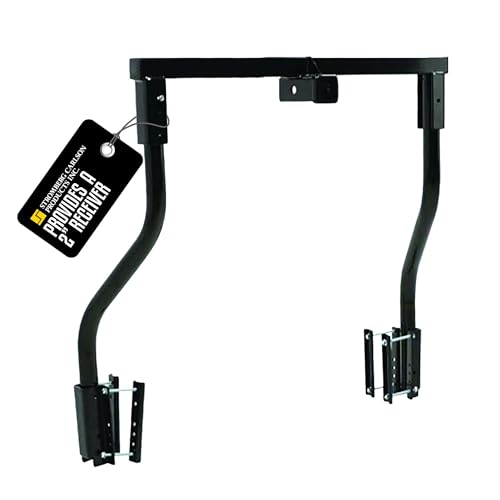
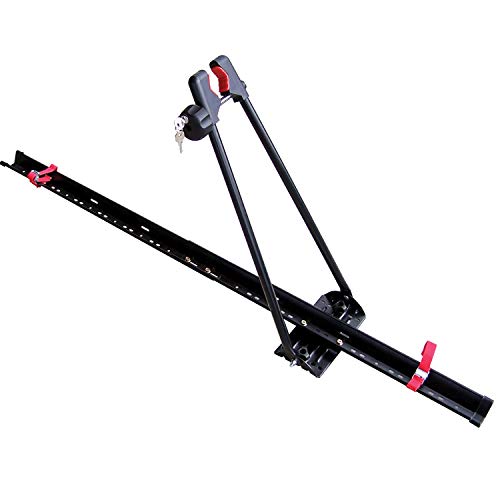
This is the most common and versatile solution. You install roof rails (also called tracks) along the sides of your camper roof, then attach crossbars. The bike rack then mounts onto the crossbars. This system distributes weight along the side walls where the camper is strongest. Look for systems specifically designed for pop up campers, as universal car roof rails often do not fit the unique dimensions of a pop up.
- Entry-level: Basic universal rails with limited adjustability; may require custom drilling.
- Mid-range: Camper-specific rail kits with pre-drilled mounting points and corrosion-resistant hardware.
- Premium: Heavy-duty aluminum rails with integrated tracks for multiple accessories, designed for off-road use.
2. Ladder-Mounted Bike Racks
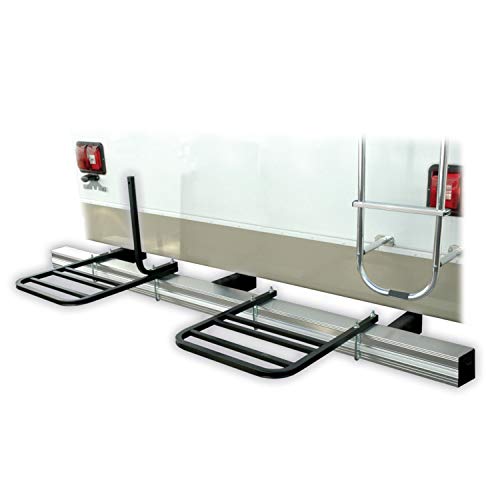
If your pop up camper has a rear ladder, you can use a ladder-mounted bike rack. While not technically "on top," this is a popular alternative because it avoids drilling into the roof. However, it can interfere with access to the roof and may not be suitable for heavy bikes. This option is generally entry-level to mid-range in terms of cost and complexity.
3. Hitch-Mounted Racks (for the Tow Vehicle)
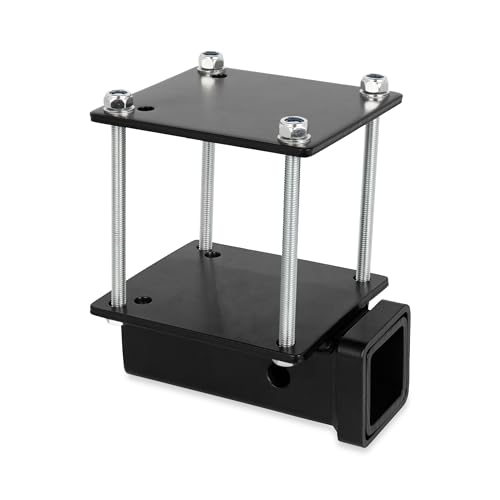
If you are towing a pop up camper, you might consider a hitch-mounted rack on the back of your tow vehicle. This keeps the bikes off the camper entirely. However, it can interfere with the camper's tongue or hitch assembly, and you need to ensure the rack is rated for the dynamic forces of towing. This is often a mid-range to premium solution depending on the rack's capacity and features.
4. Tongue-Mounted Bike Racks
Some pop up campers have a tongue (the A-frame at the front) that can accommodate a bike rack. These racks clamp onto the tongue and hold bikes vertically or horizontally. They are convenient but can affect tongue weight and may obstruct the propane tanks or battery. This is typically a budget-friendly to mid-tier option.
Comparison of Bike Rack Options for Pop Up Campers
The table below summarizes the key characteristics of each rack type. Use this to match your needs with the right solution.
| Rack Type | Mounting Location | Weight Capacity | Installation Complexity | Typical Tier |
|---|---|---|---|---|
| Roof Rail with Crossbars | Camper Roof | Up to 4 bikes (depends on rails) | Moderate to High | Mid-range to Premium |
| Ladder-Mounted | Rear Ladder | 1–2 bikes | Low | Entry-level to Mid-range |
| Hitch-Mounted (Tow Vehicle) | Tow Vehicle Hitch | 2–4 bikes | Low (if hitch exists) | Mid-range to Premium |
| Tongue-Mounted | Camper Tongue | 1–2 bikes | Low to Moderate | Budget-friendly to Mid-tier |
For many pop up camper owners, a roof rail system with crossbars offers the best balance of capacity and security, provided the roof is properly reinforced. If you are also considering how to maximize your camper's storage, you might find our guide on replacement bag awnings for pop up campers useful for protecting your gear.
Installation Tips for Roof-Mounted Bike Racks
Installing a bike rack on your pop up camper roof is not a one-size-fits-all job. Here are essential steps and precautions to ensure a safe and secure installation.
Step 1: Check Your Camper's Weight Limits
Locate the weight capacity sticker on your camper or consult the owner's manual. The roof load limit includes the rack, bikes, and any other roof accessories. Never exceed this limit. Overloading can cause roof damage or failure while driving.
Step 2: Choose the Right Mounting Points
Identify the internal framing of your camper roof. Most manufacturers can provide a diagram. You want to drill into the reinforced areas, typically along the side edges. Use a stud finder designed for RV walls or contact the manufacturer. Avoid drilling into unsupported foam or thin panels.
Step 3: Use Proper Hardware and Sealants
Stainless steel bolts, washers, and lock nuts are essential to prevent rust. Apply a high-quality RV roof sealant (such as self-leveling Dicor) around every penetration to prevent water leaks. Water damage is the enemy of pop up campers, so take your time with sealing. For more information on preventing water damage during rainy trips, see our article on what to bring on a rainy camping trip.
Step 4: Distribute Weight Evenly
Place bikes as close to the center of the roof as possible, and distribute weight evenly from side to side. This minimizes stress on any single point and improves towing stability.
Step 5: Secure Bikes Properly
Use rack arms that clamp the bike frame or wheels securely. Add extra straps to prevent any movement. Always check the bikes after the first few miles of towing, as vibrations can loosen connections.
If you are new to towing and setting up a camper, our guide on setting up a travel trailer for the first time covers many foundational tips that also apply to pop up campers.
Alternatives and Special Considerations
Not every pop up camper is suitable for a roof-mounted bike rack. If your roof is not reinforced or you prefer not to modify it, consider these alternatives:
- Car Roof Rack: If you have a capable tow vehicle, mounting bikes on the car's roof may be simpler and safer. You can use a standard car roof rack system.
- Truck Bed Rack: If you tow with a pickup truck, a truck bed bike rack keeps bikes secure and out of the way. This is a popular option for those with campers that fit in the back of a pickup truck.
- Folding Bikes: Consider folding bicycles, which take up less space and can be stored inside the camper or tow vehicle. They are often lighter and easier to handle.
Another important consideration is the type of bikes you plan to carry. Heavy e-bikes may exceed the weight capacity of many pop up camper roofs. Always verify the total weight. For those who enjoy a variety of outdoor activities, you might also be interested in our guide on deep sea fishing rods and reels to complement your camping adventures.
Maintenance and Care for Your Roof Bike Rack
Once installed, regular maintenance ensures your rack and camper remain in good condition.
- Inspect Hardware: Before every trip, check bolts and clamps for tightness. Vibration from towing can loosen them over time.
- Clean and Lubricate: Keep the rack clean and lubricate moving parts with a silicone-based spray. Avoid oily lubricants that attract dirt.
- Check Sealant: Inspect the roof sealant around mounting points annually. Reapply if you see cracks or peeling.
- Store Properly: If you remove the rack during the off-season, store it in a dry place to prevent rust.
Proper care extends the life of your investment and protects your camper. For more tips on camper upkeep, explore our articles on setting up your camper for the first time.
Ready to Hit the Road with Your Bikes?
Now that you understand the options, it's time to choose the right bike rack for your pop up camper. Browse our recommended products below to find a solution that fits your needs and budget tier.
SHOP BIKE RACKSFrequently Asked Questions
Can I put a bike rack on top of my pop up camper?
Yes, but it depends on your camper's roof structure and weight capacity. You must use a rack system designed for pop up campers or reinforce the roof to handle the load. Always check your owner's manual and never exceed the roof weight limit.
How many bikes can I carry on a pop up camper roof?
Most pop up camper roofs can safely carry 2 to 4 bicycles, depending on the rack system and the roof's weight capacity. Lightweight bikes are easier on the roof. Always calculate the total weight of bikes plus the rack.
Do I need to reinforce my pop up camper roof for a bike rack?
In many cases, yes. Pop up camper roofs are not typically designed for heavy loads. You may need to add internal reinforcement or use a rack that distributes weight along the side walls. Consulting a professional is recommended.
What is the best bike rack for a pop up camper?
The best rack depends on your specific camper and needs. Roof rail systems with crossbars are popular for their versatility. Ladder-mounted and tongue-mounted racks are alternatives if you prefer not to modify the roof. Consider weight, capacity, and ease of use.
Can I use a regular car bike rack on my pop up camper?
Generally, no. Car roof racks are designed for specific roof shapes and may not fit the flat or curved roof of a pop up camper. You need a system specifically designed for RV or pop up camper roofs to ensure safety and stability.
Final Thoughts
Adding a bike rack to the top of your pop up camper is a fantastic way to bring your bicycles along on your adventures without cluttering your living space. However, it requires careful planning, the right equipment, and a focus on safety. By understanding your camper's limits, choosing a suitable rack type, and following proper installation and maintenance procedures, you can enjoy many miles of cycling fun.
Whether you are a seasoned camper or just starting, our resources are here to help. For more inspiration on where to take your camper and bikes, explore our guides on best camping spots and places to camp within 2 hours of me. Happy camping and safe riding!