Taking your bikes along on a camping trip opens up a world of adventure. You can explore trails, ride into town, or simply enjoy a scenic loop around the campground. But if you own a pop-up camper, you already know that space is at a premium. The roof of your pop-up camper might seem like the perfect place to carry bikes, but it comes with important considerations that don't apply to traditional travel trailers or RVs.
This guide will walk you through everything you need to know about bike racks for pop-up camper roofs. We'll cover weight limits, roof construction, the best rack types, installation tips, and safety precautions. By the end, you'll have a clear understanding of whether a roof-mounted bike rack is right for your setup—and if so, how to choose the best one for your needs.
Quick Summary: Pop-up camper roofs are not designed to carry heavy loads. Most roofs can support only 100–150 lbs (including the rack itself). A typical roof bike rack weighs 20–40 lbs, and two average bikes add another 60–80 lbs. This means you can usually carry only 1–2 bikes on the roof safely. Always check your camper's manual for the maximum roof load capacity.
Why Consider a Roof-Mounted Bike Rack for Your Pop-Up Camper?
Pop-up campers are beloved for their lightweight design and easy towing. But that same lightweight construction means you can't simply bolt a heavy bike rack onto the rear bumper like you might with a larger travel trailer. The rear bumper of a pop-up camper is often not rated for heavy loads, and adding a rear rack can affect tongue weight and towing stability.
The roof, on the other hand, is a large, flat surface that seems ideal for carrying bikes. It keeps them out of the way, doesn't interfere with the hitch or tongue, and doesn't add length to your setup. For many campers, the roof is the only viable option for bringing bikes along.
However, the roof of a pop-up camper is typically made of thin aluminum or fiberglass over a foam or wood frame. It's designed to support the weight of the roof itself and maybe a small amount of snow, but it's not engineered for dynamic loads like bikes bouncing down the highway. That's why you need to be careful and choose a rack that distributes weight properly.
Understanding Pop-Up Camper Roof Construction and Weight Limits
Before you buy any bike rack, you need to understand what your camper's roof can handle. Here are the key factors:
Roof Material and Structure
- Aluminum skin over foam: Common in older pop-ups. Lightweight but dent easily. Requires wide load distribution.
- Fiberglass over wood frame: Stronger than aluminum but still not designed for point loads. Check for rot in older models.
- ABS plastic: Found on some newer models. Durable but can crack under stress if not supported properly.
Maximum Roof Load Capacity
This is the most critical number. You'll find it in your camper's owner's manual. It's usually expressed as a maximum weight that can be added to the roof when the camper is popped up (static load) or when traveling (dynamic load). Dynamic loads are much lower because of the bouncing and vibration during travel.
Typical roof load capacities for pop-up campers range from 100 to 150 lbs for dynamic (travel) loads. Some heavy-duty models might go up to 200 lbs, but this is rare. Always assume your roof is at the lower end unless you have documentation stating otherwise.
This weight limit includes everything you put on the roof: the bike rack itself, the bikes, and any other gear. A typical roof bike rack weighs 20–40 lbs. Two average adult bikes weigh about 60–80 lbs combined. That's already 80–120 lbs, leaving very little margin.
Important: Never exceed your camper's roof load rating. Overloading can cause roof damage, separation of the roof from the camper body, or even a dangerous accident while driving. When in doubt, carry fewer bikes or use a different carrying method.
Types of Bike Racks That Work on Pop-Up Camper Roofs
Not all bike racks are suitable for pop-up camper roofs. You need a rack that mounts to the roof itself (not a hitch or bumper) and distributes weight across a wide area. Here are the main options:
1. Roof Rail Systems with Bike Attachments
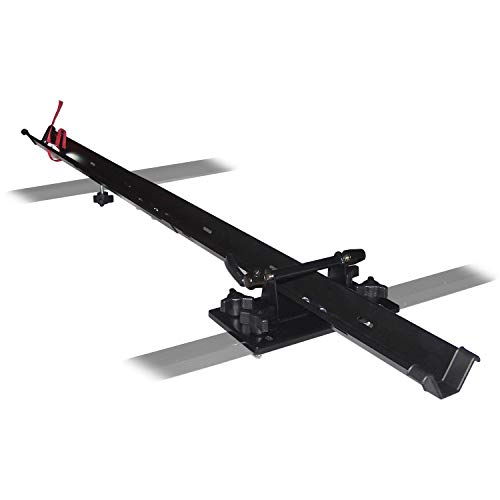
Some pop-up campers come with factory-installed roof rails or tracks. If yours has them, you're in luck—you can often add crossbars and then attach a standard roof bike carrier. These systems are the most secure because they're designed to work with the camper's roof structure.
If your camper doesn't have roof rails, you can sometimes add aftermarket tracks. But this requires drilling into the roof, which can void your warranty and create leak points. It's best left to a professional.
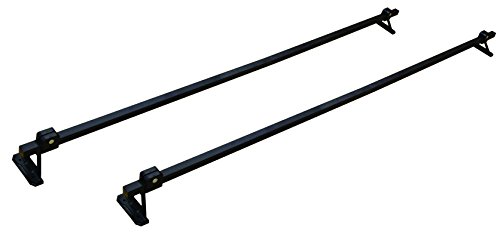
2. Universal Roof Racks with Wide Feet
These racks use feet that sit on the roof and are held in place by straps or tension. They're not permanently attached, which makes them easy to remove. However, they can shift during travel if not installed correctly, and the feet can create pressure points that dent the roof.
Look for racks with large, padded feet and multiple attachment points. Avoid racks that rely on a single strap across the roof.
3. Vacuum Cup or Suction Cup Racks
Suction cup racks are popular for cars, but they are not recommended for pop-up camper roofs. The roof surface is often not smooth enough for a reliable suction bond, and the constant vibration of travel can cause the cups to lose grip. This is a safety risk you don't want to take.
4. Custom or DIY Solutions
Some creative campers build their own roof rack systems using aluminum channels and foam padding. While this can work, it requires careful engineering to ensure the load is spread evenly and the roof isn't damaged. If you're not handy with tools, this isn't the route to take.
For most people, a well-designed universal roof rack or a factory rail system with bike attachments is the best choice.
Roof Rack vs. Rear Rack vs. Tongue Rack: Which Is Best for Bikes?
Before you commit to a roof-mounted solution, consider the alternatives. Each has pros and cons:
| Option | Pros | Cons | Suitable for Pop-Up? |
|---|---|---|---|
| Roof Rack | Keeps bikes out of the way; doesn't affect tongue weight; good for 1–2 bikes. | Limited by roof load capacity; hard to load/unload; can damage roof if overloaded. | Yes, with caution |
| Rear Rack | Easy to load; doesn't stress the roof. | Pop-up bumpers are often not rated for racks; can affect towing stability; may block access to camper. | Rarely (bumper not strong enough) |
| Tongue Rack | Doesn't stress roof or bumper; easy access. | Adds tongue weight; can interfere with hitch; limited capacity. | Sometimes (if tongue rated) |
| Bike Rack on Tow Vehicle | No stress on camper; easy to load. | Reduces vehicle cargo space; may block rear view; not always possible with SUVs/trucks. | Yes (often the best option) |
As you can see, the roof is a viable option but not always the best. If you have a heavy-duty tow vehicle, carrying bikes on the tow vehicle's roof or rear hitch might be safer and easier. But if that's not possible, the camper roof can work—provided you respect the weight limits.
Key Features to Look for in a Roof Bike Rack for Your Pop-Up
When shopping for a bike rack for your pop-up camper roof, keep these features in mind:
- Low weight: Every pound counts. Look for racks made from aluminum or lightweight alloys. Avoid steel racks, which are heavy.
- Wide load distribution: The rack should have large, padded feet or a base that spreads the weight over a large area of the roof. This prevents denting and stress cracks.
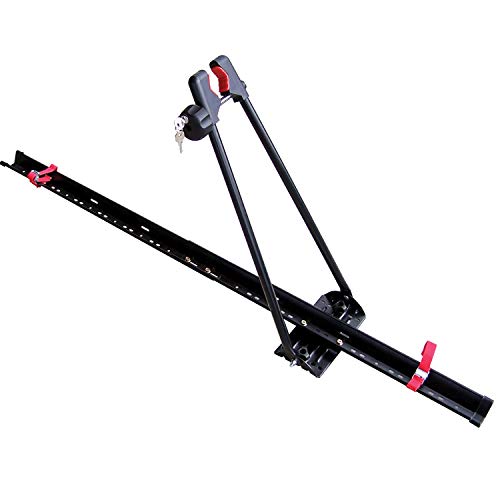
- Secure bike attachment: Look for racks with individual wheel trays and secure frame clamps. Ratcheting straps or locking mechanisms are a plus.
- Easy installation and removal: Since you may want to remove the rack when not in use, quick-release mounts are convenient.
- Corrosion resistance: Camping involves rain, humidity, and road salt. Choose a rack with rust-resistant hardware.
- Compatibility: Ensure the rack fits your bike types (e.g., fat tires, through-axles) and your camper's roof dimensions.
You'll find racks at various quality tiers: entry-level models are basic and may need more careful installation, mid-range models offer better materials and easier use, and premium racks provide the best security and durability. Choose the tier that matches your budget and how often you'll use it.
Installation Tips for a Roof Bike Rack on a Pop-Up Camper
Installing a bike rack on a pop-up camper roof is not the same as installing one on a car. Here's how to do it safely:
- Read your camper's manual. Confirm the roof load limit and any recommendations for roof accessories. If it says "no roof loads," don't do it.
- Inspect the roof. Look for soft spots, cracks, or previous repairs. A damaged roof is a weak roof.
- Choose the right mounting points. If your camper has roof rails or tracks, use them. If not, use a rack that distributes weight across the entire roof, not just a few points.
- Use wide, padded feet. Place foam or rubber pads under the rack's feet to protect the roof surface and spread the load.
- Secure the rack properly. Follow the manufacturer's instructions. Use straps or tensioners as directed. Check the rack after the first few miles of driving and re-tighten if needed.
- Load bikes correctly. Place heavier bikes toward the center of the roof. Use the bike attachment system to secure each bike individually. Remove pedals or turn handlebars if they interfere.
- Test before travel. Once loaded, gently push on the bikes to check for movement. If they shift, tighten the rack.
Warning: Never drill into your pop-up camper's roof to mount a bike rack unless you have specific instructions from the manufacturer and know how to seal the holes properly. Water leaks can quickly ruin a camper.
Safety and Legal Considerations
Carrying bikes on your camper roof adds height and weight to your setup. Here's what to keep in mind:
- Height clearance: Your total height will increase by the height of the rack plus the bikes. Measure your setup and be aware of low bridges, tree branches, and garage doors. This is especially important if you have a lifted pop-up camper.
- Weight distribution: Adding weight to the roof raises the center of gravity, which can affect handling. Drive more cautiously, especially in crosswinds.
- Secure all parts: Bikes should be locked to the rack, and the rack should be locked to the camper if possible. Use additional straps for peace of mind.
- Check local laws: Some states require additional lighting or flags for loads extending beyond the rear of the vehicle. Bikes on the roof typically don't extend rearward, but they do add height.
- Insurance: Check with your insurance provider to ensure your bikes are covered while in transit on the camper roof.
For more information on securing your camper and gear, you might find our guide on replacement awning bags for pop-up campers useful for other roof-related accessories. And if you're considering different camper styles, our article on hard-top pop-up campers explains how roof construction varies between models.
Top Bike Rack Options for Pop-Up Camper Roofs
While we can't recommend specific brands without knowing your exact camper model, here are the types of racks that generally work well, organized by quality tier:
Entry-Level Roof Racks
These are basic universal racks with foam pads and straps. They are affordable and lightweight but may require more frequent adjustments. Best for occasional use with one lightweight bike.
Mid-Range Roof Racks
These racks often include aluminum crossbars, better mounting hardware, and more secure bike attachments. They offer a good balance of weight, durability, and ease of use. Suitable for regular camping trips with 1–2 bikes.
Premium Roof Racks
Premium racks are typically made from high-grade aluminum, have locking mechanisms, and are designed for specific roof types (like those with factory rails). They provide the best security and are easiest to load. Ideal for frequent travelers who want peace of mind.
Remember: the best rack for you is one that fits your camper's roof, stays within the weight limit, and securely holds your bikes.
Frequently Asked Questions
Final Thoughts
A bike rack for a pop-up camper roof can be a convenient solution for bringing your bikes on camping trips, but it's not without risks. The key is to respect your camper's weight limits, choose a rack that distributes weight evenly, and install it correctly. If your roof can't safely handle the load, consider carrying bikes on your tow vehicle instead.
For more help planning your next camping adventure, explore our guides on things to bring on a camping trip and first-time camping tips. And if you're still shopping for a pop-up camper, check out our article on pop-up campers with toilets for more features to consider.
Safe travels, and happy biking!