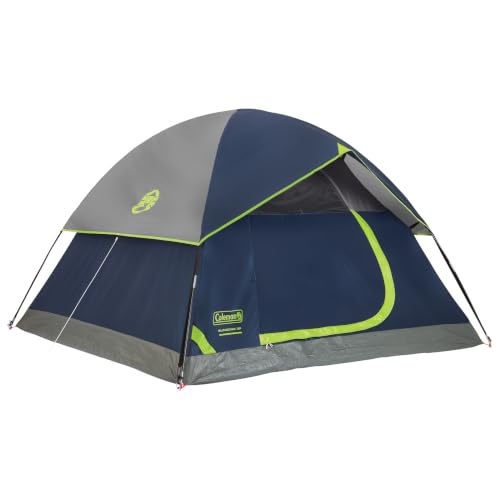
3 Season Tent Guide: Find Your Perfect Shelter
Whether you're a weekend warrior or a thru-hiker, choosing the right three-season tent is crucial for comfort and safety. This guide covers everything you need to know—from key features and materials to our top recommendations for every camping style.
Shop Top 3-Season TentsA 3-season tent is the most versatile and popular choice for camping enthusiasts, designed to handle the conditions of spring, summer, and fall. These tents prioritize breathability and lightweight performance, making them ideal for everything from car camping to backcountry backpacking. But what exactly makes a tent a "three-season" tent, and how do you choose the best one for your adventures?
💡 Expert Tip: A 3-season tent is designed for lightweight performance and breathability, offering protection from bugs, wind, and rain. It's built for mild-to-moderate conditions, not extreme alpine environments or heavy winter snow. [citation:1][citation:3][citation:11]
Key Features of a 3-Season Tent
🌬️ Ventilation & Breathability
High-quality 3-season tents use large mesh panels to maximize airflow and minimize condensation. This is essential for comfort in warmer weather and for preventing that sticky, stuffy feeling inside the tent. [citation:3][citation:10]
⚖️ Lightweight & Compact
Designed for portability, these tents use lighter fabrics and fewer poles than 4-season models. This makes them ideal for backpacking, bikepacking, and any adventure where weight and pack size matter. [citation:1][citation:11]
🌧️ Weather Protection
Most 3-season tents feature a double-wall design with a separate rainfly. This provides excellent protection from rain and moderate winds while allowing you to set up the inner tent alone on clear nights. [citation:1][citation:4][citation:5]
🏕️ Versatility & Convenience
Modern 3-season tents come with features like multiple doors, gear vestibules, and easy pitch designs. Many are freestanding, meaning they can be set up without pegs, which is incredibly convenient on hard or rocky ground. [citation:9][citation:10]
Pros & Cons of 3-Season Tents
✅ Advantages
- Lightweight – Easy to carry for backpacking and hiking trips. [citation:3]
- Excellent Ventilation – Prevents condensation and keeps you cool in warm weather. [citation:3]
- More Affordable – Generally less expensive than 4-season tents. [citation:3]
- Versatile – Suitable for most camping scenarios, from family trips to solo treks. [citation:3]
❌ Disadvantages
- Less Durable – Not designed to withstand heavy snow loads or extreme winds. [citation:3][citation:12]
- Reduced Heat Retention – The ventilation that keeps you cool also lets heat escape, making them less suitable for harsh winter conditions. [citation:3][citation:8]
- May Need a Winter Upgrade – If you plan to camp in true winter conditions, you'll likely need a separate 4-season tent. [citation:3]
Choosing the Right 3-Season Tent for You
The "best" 3-season tent depends entirely on how you plan to use it. Here’s a quick breakdown to help you decide:
- 🏕️ For Car Camping & Family Trips: Prioritize space, headroom, and ease of setup. Look for larger camping tents like the 6-person or 8-person cabin styles that you can stand up in.
- 🎒 For Backpacking & Thru-Hiking: Weight and packability are paramount. Opt for a lightweight backpacking tent with a compact packed size, typically for 1 to 3 people.
- 🏞️ For General Use & Weekend Getaways: A 4-person or 6-person dome tent offers a great balance of space, weight, and affordability for most campers.
Before you buy, it's also wise to consider how you'll use your tent. For example, if you're planning a car camping trip, you might prioritize different features than if you were backpacking deep into the wilderness.
A quality 3-season tent is a long-term investment. Understanding how long do tents last and how to care for them will ensure you get many years of use out of your shelter.
When considering different models, the choice between a tent vs hammock is a personal one, but for versatility and weather protection, a 3-season tent remains the top choice for most campers.
If you're new to camping, this guide is an excellent starting point. For a complete overview of everything you need, check out our essential camping gear list to ensure you have all the basics covered.